

Issue · Education
Education
Every education bill, vote, and legislator stance in North Carolina, automatically classified by Maddy, our AI policy reader.
Total bills
337
2025-2026 Session
Top supporter
Shelly Willingham
89% support rate
Top opponent
Dan Blue
20% support rate
Ranked legislators
10
5 support · 5 oppose
Key legislators
Who's moving education in North Carolina
| Legislator | Party | Stance | Support rate | Votes |
|---|---|---|---|---|
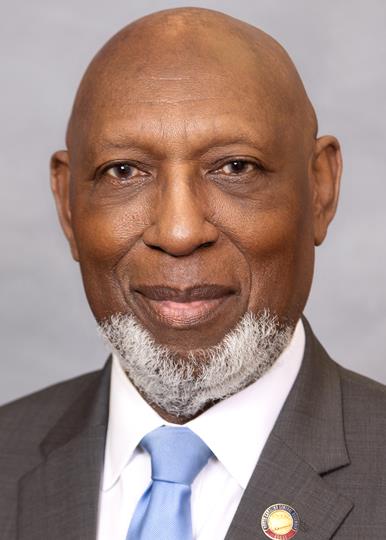
Shelly Willingham
House · District 23
|
D |
Strong +
|
89% | 27 |

Charles Smith
House · District 44
|
D |
Strong +
|
88% | 34 |
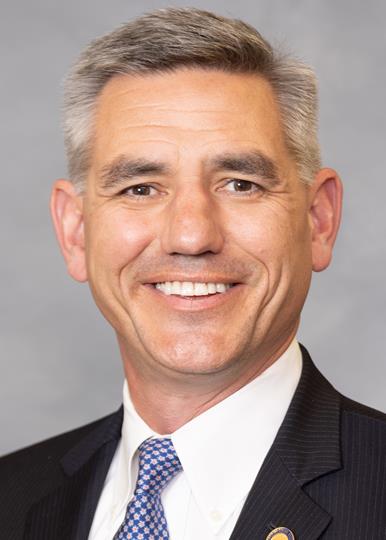
Brian Turner
House · District 116
|
D |
Strong +
|
86% | 33 |
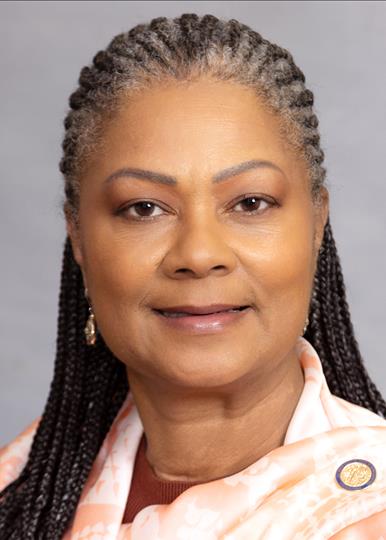
Carla Cunningham
House · District 106
|
I |
Strong +
|
85% | 26 |

Becky Carney
House · District 102
|
D |
Strong +
|
81% | 35 |
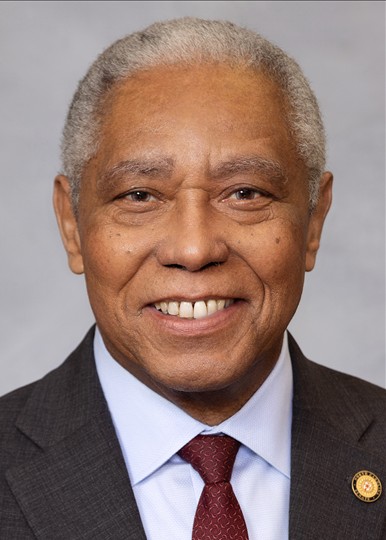
Dan Blue
Senate · District 14
|
D |
Strong −
|
20% | 18 |

Kyle Hall
House · District 91
|
R |
Oppose
|
27% | 27 |
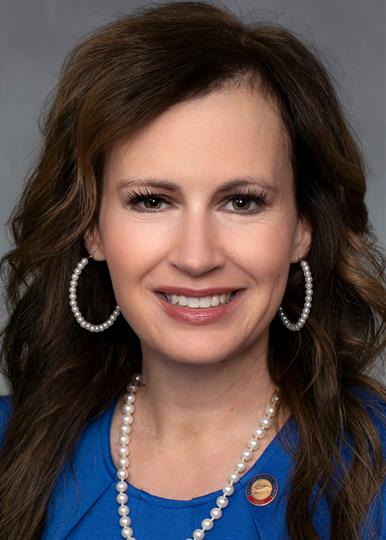
Tricia Cotham
House · District 105
|
R |
Oppose
|
31% | 29 |

DeAndrea Salvador
Senate · District 39
|
D |
Oppose
|
33% | 16 |

Gale Adcock
Senate · District 16
|
D |
Oppose
|
33% | 18 |
Showing 71–80 of 337
bills
All education bills
SB 787: AI Ethics and Literacy Across Education.
Topics
✓ Budget & TaxesSupports Budget & TaxesBill allocates $100,000 in state funding to support AI education implementation in public schools.
✓ EducationSupports EducationBill mandates AI literacy curriculum and allocates $100,000 in funding to strengthen education.
✓ TechnologySupports TechnologyBill mandates AI education and provides funding to advance technology literacy and ethical understanding in schools.
SB 816: Child. of Wartime Vets Sch'ship Funds and Flex.
Topics
✓ Budget & TaxesSupports Budget & TaxesBill explicitly appropriates $1 million and $10 million to fund and expand a state scholarship program, directly increasing government spending for education assistance.
✓ EducationSupports EducationBill allocates $1M to increase scholarship amounts for veterans' children, directly funding higher education access.
✓ VeteransSupports VeteransBill explicitly funds and expands the Children of Wartime Veterans Scholarship Program, increasing award amounts and reserving funds for additional scholarships.
SB 840: Teacher Licensure Modifications.
Sub-Topics
Teachers
SB 838: The Frontline Mental Health Support Act.
Topics
✓ Criminal JusticeSupports Criminal JusticeBill funds mental health support for law enforcement, reducing occupational stress and promoting officer well-being.
✓ EducationSupports EducationBill allocates $13M to provide mental health counseling for teachers, directly supporting educator well-being and retention.
✓ HealthcareSupports HealthcareBill appropriates $13M to fund mental health counseling for teachers and first responders, expanding access to care.
✓ Labor & EmploymentSupports Labor & EmploymentBill funds mental health counseling for workers, expanding benefits and protecting employee well-being.
SB 1011: Allergy Safe Schools Act.
Topics
✓ EducationSupports EducationBill allocates $92M for school health personnel and mandates training to improve student safety and educational access.
✓ HealthcareSupports HealthcareBill mandates full-time school nurses and allocates $92M to increase health personnel, directly strengthening public health services and patient safety.
SB 954: Learning and Enrichment in Afterschool Programs.
HB 1204: Require Seat Belts on School Buses.
Topics
✓ EducationSupports EducationBill improves school infrastructure and student safety, directly supporting the education topic.
✓ TransportationSupports TransportationBill mandates seat belts on school buses, directly enhancing transportation safety standards and protecting students.
HB 1146: 2026 Governor's Budget.
Topics
✓ Budget & TaxesSupports Budget & TaxesBill establishes the 2026 Governor's Budget, explicitly allocating funding to state departments and agencies, thereby advancing and funding the budget topic.
✓ EducationSupports EducationBill establishes the 2026 Governor's Budget, explicitly allocating specific funding amounts to state departments including public education and higher education institutions.
✓ TransportationSupports TransportationBill allocates funding to the Transportation Department and Highway Fund, indicating financial support for transportation infrastructure and operations.
HB 1076: The Innovations Waitlist Reduction Act.
Topics
✓ Budget & TaxesSupports Budget & TaxesBill allocates $240M to expand medical access and modifies scholarships to prioritize lower-income families, directly increasing funding for essential public services.
✓ EducationSupports EducationBill expands access to education waivers and scholarships, adds funding slots, and prioritizes lower-income students.
✓ HealthcareSupports HealthcareBill expands Medicaid waiver slots and funds them with $240M, directly increasing access and funding for health services.