

Issue · Education
Education
Every education bill, vote, and legislator stance in North Carolina, automatically classified by Maddy, our AI policy reader.
Total bills
337
2025-2026 Session
Top supporter
Shelly Willingham
89% support rate
Top opponent
Dan Blue
20% support rate
Ranked legislators
10
5 support · 5 oppose
Key legislators
Who's moving education in North Carolina
| Legislator | Party | Stance | Support rate | Votes |
|---|---|---|---|---|
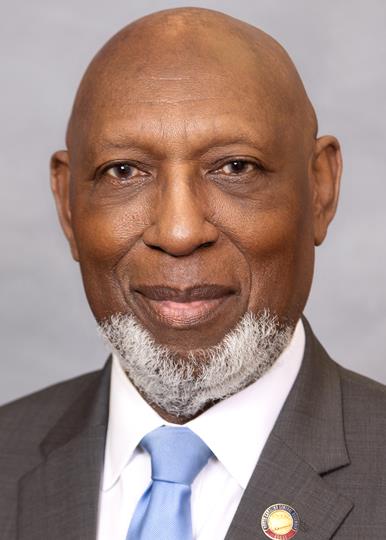
Shelly Willingham
House · District 23
|
D |
Strong +
|
89% | 27 |
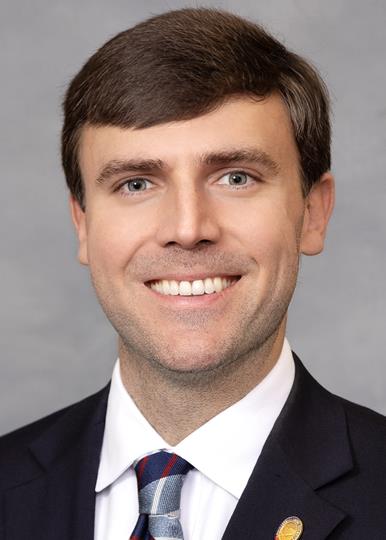
Charles Smith
House · District 44
|
D |
Strong +
|
88% | 34 |
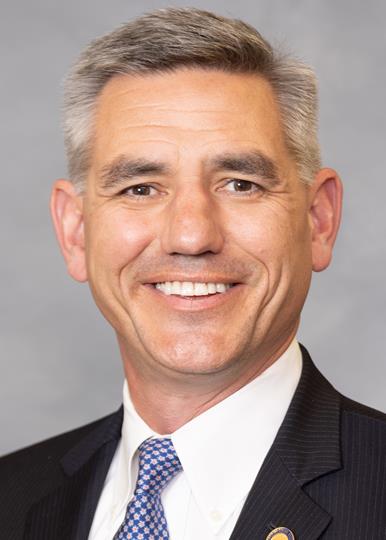
Brian Turner
House · District 116
|
D |
Strong +
|
86% | 33 |

Carla Cunningham
House · District 106
|
I |
Strong +
|
85% | 26 |

Becky Carney
House · District 102
|
D |
Strong +
|
81% | 35 |
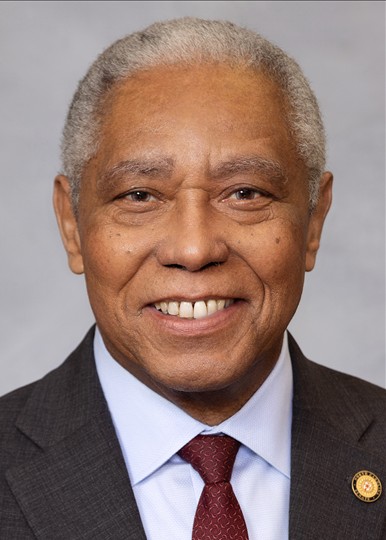
Dan Blue
Senate · District 14
|
D |
Strong −
|
20% | 18 |
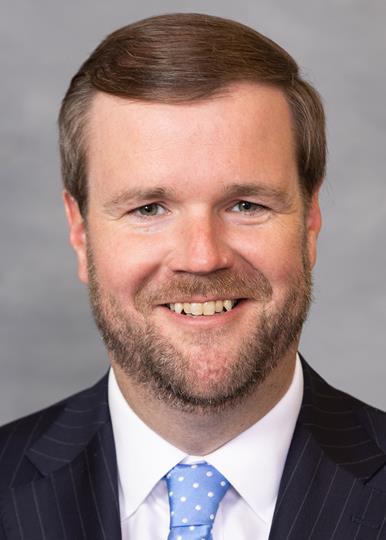
Kyle Hall
House · District 91
|
R |
Oppose
|
27% | 27 |
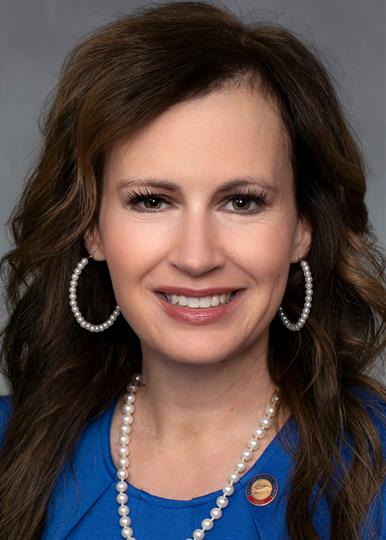
Tricia Cotham
House · District 105
|
R |
Oppose
|
31% | 29 |

DeAndrea Salvador
Senate · District 39
|
D |
Oppose
|
33% | 16 |

Gale Adcock
Senate · District 16
|
D |
Oppose
|
33% | 18 |
Showing 241–250 of 337
bills
All education bills
SB 540: Increase Small County Funding.
Topics
✓ Budget & TaxesSupports Budget & TaxesBill appropriates $20.96M from General Fund to increase school funding for small counties, directly advancing public education budget allocation per legislative intent.
✓ EducationSupports EducationIncreases base funding for small county schools via revised allotments and $20.9M appropriation, directly advancing K-12 educational access and resources for under-3,300-student districts.
SB 434: School Workers Fair Pay Act.
Topics
✓ Budget & TaxesSupports Budget & TaxesAllocates $144.7M from General Fund to fund school worker wages, increasing state budget expenditure for public services per bill's funding mandate.
✓ EducationSupports EducationMandates $17/hour for school staff with $144.7M funding, directly supporting educational workforce compensation and school operations.
✓ Labor & EmploymentSupports Labor & EmploymentMandates $17/hr minimum wage for school staff with $144.7M funding, directly increasing compensation and protecting worker pay rights under Labor & Employment policy.
SB 433: Restore Educator Longevity.
Topics
✓ Budget & TaxesSupports Budget & TaxesAllocates $140.3M from General Fund to fund educator longevity pay, increasing state spending on public education personnel.
✓ EducationSupports EducationRestores longevity pay for educators with $140M funding, directly increasing teacher compensation and retention in K-12 schools.
✓ Labor & EmploymentSupports Labor & EmploymentRestores longevity pay for educators via state-funded salary increases (1.5%-4.5% based on service years), directly advancing employment benefits for state employees.
SB 435: Restore Master's Pay for Teachers and ISP.
Topics
✓ Budget & TaxesSupports Budget & TaxesAppropriates $8M from General Fund to restore teacher pay supplements, directly increasing education budget allocation and funding public employee salaries.
✓ EducationSupports EducationRestores master's degree-based teacher salary supplements with $8M funding, directly increasing educator compensation and reversing prior cuts.
✓ Labor & EmploymentSupports Labor & EmploymentRestores degree-based salary supplements for teachers/ISP, appropriating $8M to fund reinstated pay increases for state employees, directly advancing compensation standards.
SB 612: Convert School Buses to Electric by 2050.
Topics
✓ Budget & TaxesSupports Budget & TaxesAppropriates $350M for school bus conversions and $50M for grants, directly increasing state budget allocation for public transportation infrastructure and education funding.
✓ EducationSupports EducationBill allocates $350M for electric school bus conversions and $50M for grants, improving school transportation infrastructure and student access to educational activities.
✓ EnergySupports EnergyBill mandates electric school buses by 2050, funds conversions ($350M), and promotes alternative energy infrastructure through grants, directly advancing renewable transportation and reducing fossil fuel dependence.
✓ EnvironmentSupports EnvironmentRequires electric school buses to reduce emissions, funds conversion with $400M total, directly advancing clean energy and pollution control in transportation.
✓ TransportationSupports TransportationMandates electric school buses, funds conversions ($350M), and creates grants for electric activity buses - promotes sustainable transportation infrastructure.
SB 601: Revise Private Need-Based Scholarship.
SB 511: Informational Literacy in Schools.
Topics
✓ EducationSupports EducationMandates new curriculum standards for informational literacy, enhancing student research and media skills across K-12 schools.
✓ TechnologySupports TechnologyMandates digital/technological literacy education in K-12 curricula, promoting responsible tech use and critical evaluation skills per bill's definition.
SB 534: Capital Project Funding at NCA&T/WSSU.
Topics
✓ Budget & TaxesSupports Budget & TaxesBill allocates $237.5M from Capital & Infrastructure Fund for university capital projects, directly advancing state budget appropriations for public infrastructure spending.
✓ EducationSupports EducationAllocates $237.5M for university infrastructure projects at NCA&T and WSSU, directly funding higher education facilities per bill summary.
SB 630: School Mental Health Support Act.
Topics
✓ EducationSupports EducationAllocates $50M for grants to hire school mental health staff (prioritizing underserved students) and $50M for loan repayment for mental health workers, directly enhancing student mental health services in public schools.
✓ HealthcareSupports HealthcareAllocates $50M for school mental health grants and $50M for loan repayments for mental health workers, directly expanding access to services per bill's explicit funding and program creation.