Issue · Education

Education

Every education bill, vote, and legislator stance in North Carolina, automatically classified by Maddy, our AI policy reader.

Total bills
337
2025-2026 Session
Top supporter
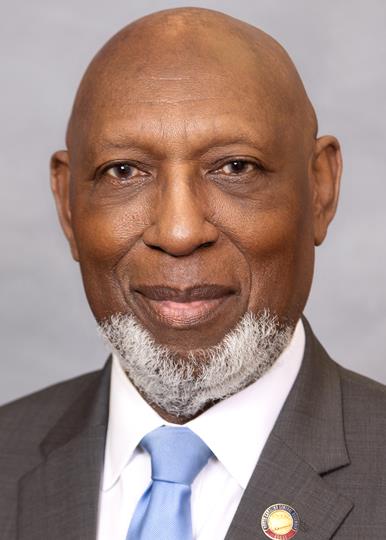
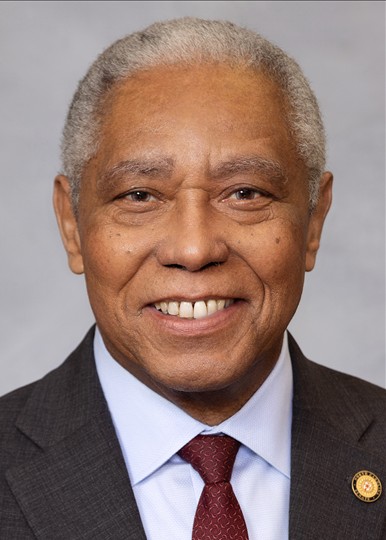
Shelly Willingham
89% support rate
Top opponent
Dan Blue
20% support rate
Ranked legislators
10
5 support · 5 oppose
Key legislators

Who's moving education in North Carolina

Legislators moving education in North Carolina
Legislator Party Stance Support rate Votes
Shelly Willingham
Shelly Willingham House · District 23
D
Strong +
89% 27
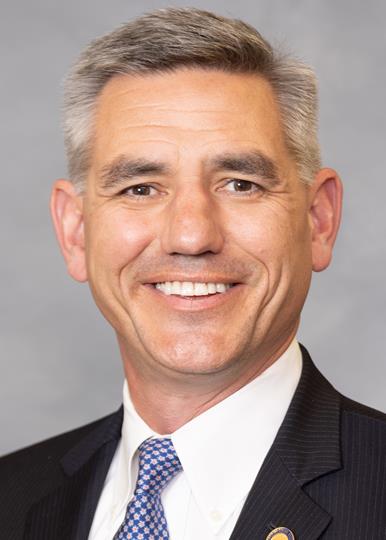
Charles Smith
Charles Smith House · District 44
D
Strong +
88% 34
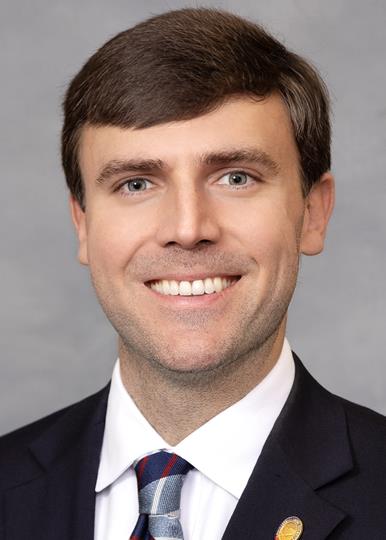
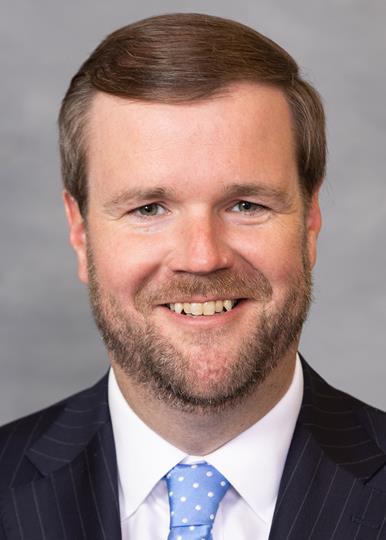
Brian Turner
Brian Turner House · District 116
D
Strong +
86% 33
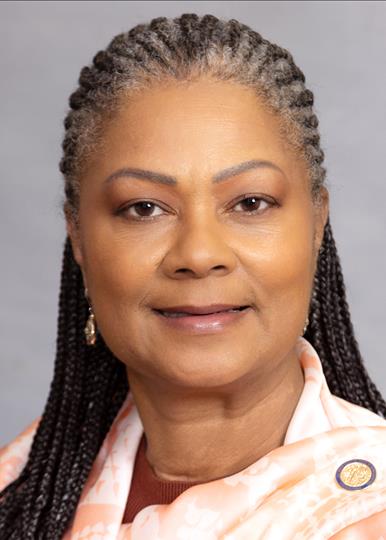
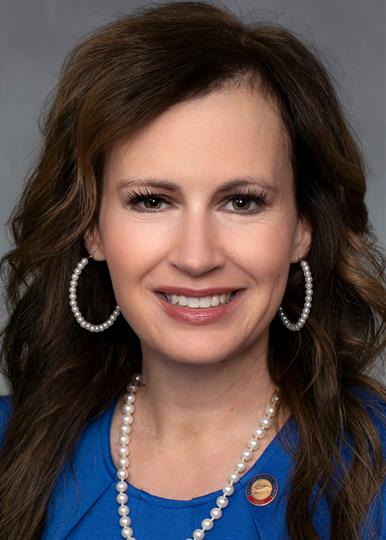
Carla Cunningham
Carla Cunningham House · District 106
I
Strong +
85% 26
Becky Carney
Becky Carney House · District 102
D
Strong +
81% 35
Dan Blue
Dan Blue Senate · District 14
D
Strong −
20% 18
Kyle Hall
Kyle Hall House · District 91
R
Oppose
27% 27
Tricia Cotham
Tricia Cotham House · District 105
R
Oppose
31% 29
DeAndrea Salvador
DeAndrea Salvador Senate · District 39
D
Oppose
33% 16
Gale Adcock
Gale Adcock Senate · District 16
D
Oppose
33% 18
Showing 151–160 of 337 bills

All education bills

in committee · North Carolina · House Apr 29, 2025

HB 767: Market Rate Teacher Pay Study.

HB 767 establishes the Joint Legislative Study Commission on Market Rate Compensation for Teachers. This commission will study public school teacher pay and benefits in North Carolina, comparing them to other states and professions, and analyze teacher attrition rates. Composed of legislators, gubernatorial appointees, and the State Superintendent, the commission will hold public meetings across the state. Its purpose is to gather data and provide legislative recommendations on teacher compensation to the General Assembly by the end of 2026.
Sub-Topics Teachers
in committee · North Carolina · House Apr 28, 2025

HB 946: Montessori Teaching License.

House Bill 946 establishes a new class of teaching license in North Carolina specifically for educators in Montessori schools. This "Montessori license" allows individuals to teach only in schools that primarily use Montessori instruction. To qualify, applicants must hold a bachelor's degree, possess a valid credential from a recognized Montessori organization, and complete any required state examinations. This license does not permit the holder to teach in public schools that are not Montessori schools unless they also hold a separate public school teaching license.
Tags Licensing
in committee · North Carolina · Senate Feb 25, 2025

SB 139: Restore State Emp/Teacher Retiree Med Benefit.

SB 139 prevents the elimination of medical benefits for North Carolina state teachers and employees who first earned retirement service on or after January 1, 2021. It reverses a prior change that would have cut these benefits by repealing specific sections of law, effective retroactively to December 31, 2020. The bill appropriates $500,000 annually for 2025-2026 and $2 million annually for 2026-2027 to cover increased costs for the state health plan. This restores medical coverage for affected retirees under several retirement systems, effective July 1, 2025.
Sub-Topics Teachers Insurance
died · North Carolina · Senate Feb 26, 2025

SB 157: Funds For Johnson C. Smith Tech Project.

SB 157 allocates $100,000 from North Carolina's General Fund to Johnson C. Smith University for its Inclusive Tech-Innovation Pilot Project. The funds will support creating a community hub that uses broadband technology to foster economic growth and collaboration in the local area. The bill directs a nonrecurring grant specifically for this pilot program, which aims to connect the university with surrounding neighborhoods. It becomes effective July 1, 2025, and does not change existing laws or regulations.
died · North Carolina · Senate Mar 13, 2025

SB 278: The Smart Heart Act.

SB 278, the Smart Heart Act, requires all North Carolina public schools to create cardiac emergency response plans (CERPs) and install at least one AED per school. The plan must include trained response teams, annual drills, staff CPR/AED training (for nurses and athletic supervisors), and integration with local emergency services. Schools must place AEDs in unlocked, visible locations accessible within three minutes, with maintenance and training protocols set by the State Board of Education. The bill allocates $2 million for school AED purchases and plan development, effective for the 2025-2026 school year.
in committee · North Carolina · House Apr 14, 2025

HB 989: Build Safer Communities and Schools Act.

HB 989 creates a statewide grant program to improve school safety in North Carolina public schools. It provides funding for three specific purposes: (1) crisis services for students (like therapy and family support), (2) evidence-based training for staff on trauma response and suicide prevention, and (3) safety equipment purchases (such as bullet-resistant glass, alarms, and security systems). Grants must supplement, not replace, existing school safety funding, and charter schools can now receive equipment grants. The program limits annual spending to $350,000 per grant category and prioritizes equipment like exterior door locks and active shooter alarms.
Sub-Topics School Safety
passed · North Carolina · Senate Jun 17, 2025

SB 174: Rutherford Cty/Isothermal CC Construction.

SB 174 authorizes Rutherford County to build community college facilities on Isothermal Community College's campuses within the county, overriding certain existing laws that would otherwise restrict such construction. The bill allows the county to finance these buildings through specific funding methods (like bonds under Chapter 159 of state law), temporarily transfer college property as security for financing, and then lease the completed buildings back to the college under agreed terms. This directly affects Rutherford County (as the builder) and Isothermal Community College (as the lessee and recipient of the facilities). The law requires the county to consult with the college board during planning and comply with specific state statutes regarding construction and financing.
Sub-Topics Higher Education
in committee · North Carolina · House Apr 14, 2025

HB 962: ECU Engineering/Funds.

HB 962 allocates $25 million in one-time funds to East Carolina University's College of Engineering and Technology for building improvements and equipment upgrades, and $4 million annually during the 2025-2027 fiscal biennium to expand faculty positions. The bill directly affects ECU's engineering programs by providing resources to modernize facilities and hire additional staff. These funds are designated for specific uses - infrastructure and equipment for the first allocation, and personnel expansion for the second - without specifying outcomes. The bill takes effect on July 1, 2025, and is currently pending in the House Appropriations Committee.
in committee · North Carolina · House Apr 3, 2025

HB 739: Wilson and Nash Counties/Funds.

HB 739 allocates $61.3 million in nonrecurring state funds for specific projects in Wilson and Nash counties, primarily benefiting Wilson County entities and two towns. The bill directs funds for water infrastructure in Lucama, sewer projects in Stantonsburg, volunteer fire departments, school construction, a new courthouse, sheriff's training, Narcan in schools/libraries, housing authority projects, a transit program, and a new police building in Sharpsburg. It becomes effective July 1, 2025, with all funding designated for immediate, concrete local needs without new policy requirements.
died · North Carolina · Senate Mar 26, 2025

SB 585: Local Govts/Mental Health/ CC Tuition Waiver.

SB 585 creates a tuition and registration fee waiver for mental health clinicians and peer support specialists working in municipal or county emergency medical services (EMS), rescue, or lifesaving departments. It specifically applies to professionals embedded in 911 call centers to direct mental health resources or paired with first responders during emergency calls. The bill amends North Carolina's community college tuition waiver rules to add these departments as eligible entities, allowing their employees to take approved community college courses without tuition costs. This policy directly affects local government emergency response teams and their mental health staff, effective July 1, 2025. The waiver covers standard tuition and registration fees for relevant training programs.
Showing 151 to 160 of 337 bills
Previous 1 15 16 17 34 Next