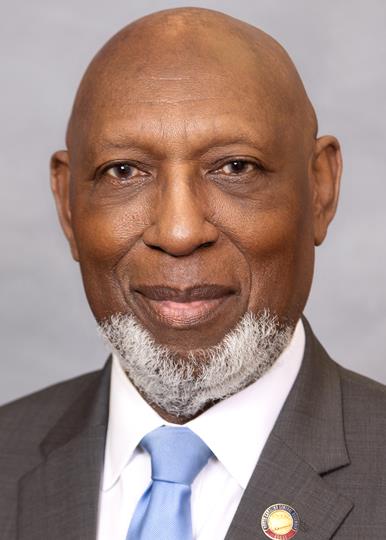
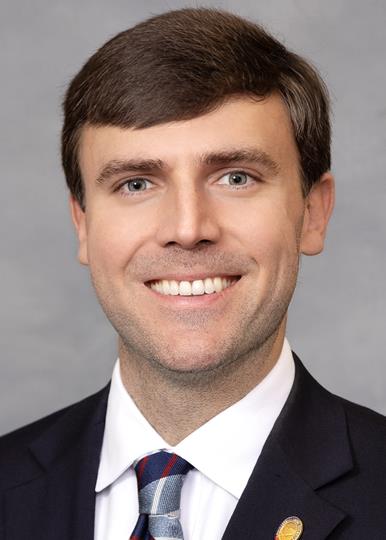
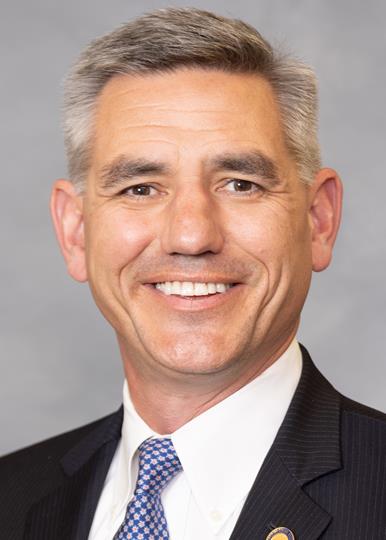
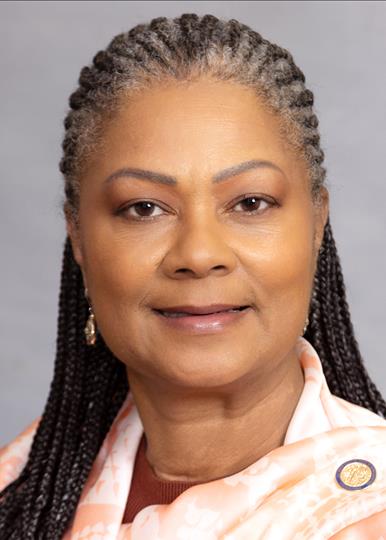
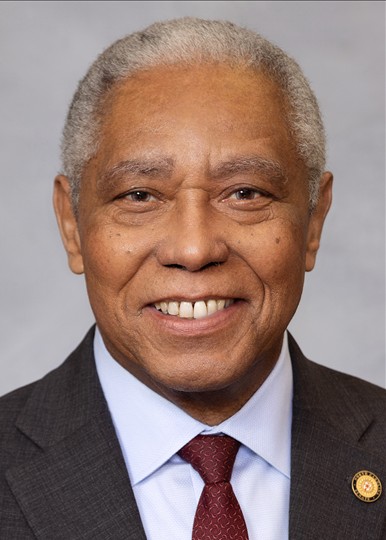
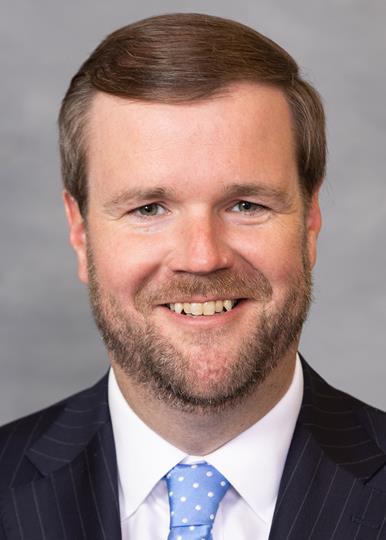
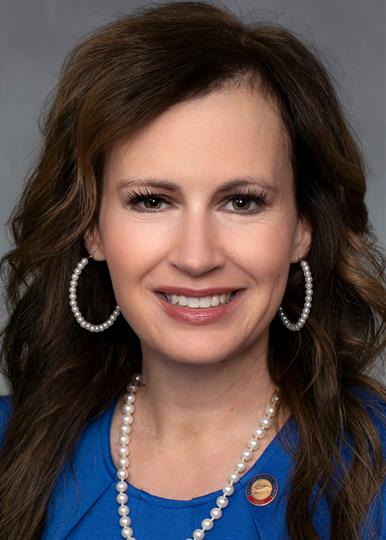
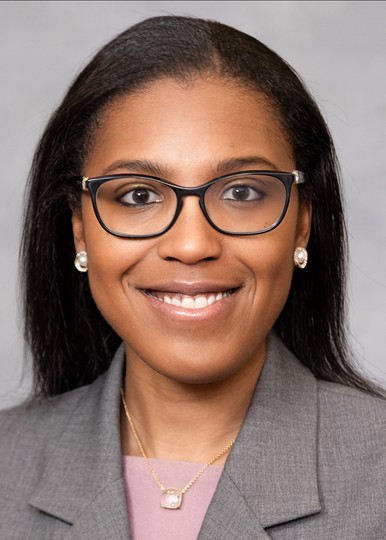
Key legislators
Who's moving education in North Carolina
Showing 11–12 of 12
bills
All education bills
SB 507 requires North Carolina public schools to automatically enroll students who score at the highest level on standardized math or English Language Arts (ELA) tests in advanced courses for the next grade level. This applies to students in grades 3-5 for math and grades 6+ for both subjects, with parents able to opt out via written consent after being informed of the placement basis. The bill expands an existing policy (previously only for math) to include ELA courses and mandates annual demographic reporting to the legislature on enrollment patterns. It takes effect for the 2025-2026 school year.
HB 58 modifies local election rules across North Carolina. It extends Kittrell's mayor and commissioners' terms from two to four years, changes Asheboro's school board to seven partisan-elected members (down from 11) with four-year staggered terms, and eliminates a mandatory school funding floor for Scotland County. The bill also establishes residency districts for Anson County commissioners, clarifies vacancy procedures for Caswell County, and allows Scotland County to set school budgets without state-mandated funding minimums. These changes directly affect local governments and school boards in multiple counties, altering election structures and budget authority.