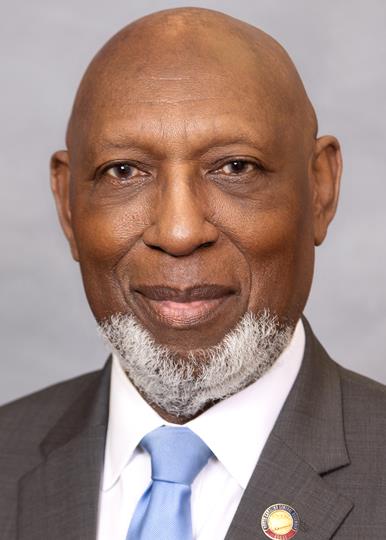
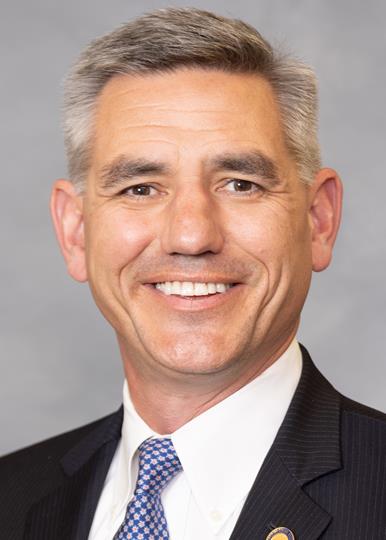
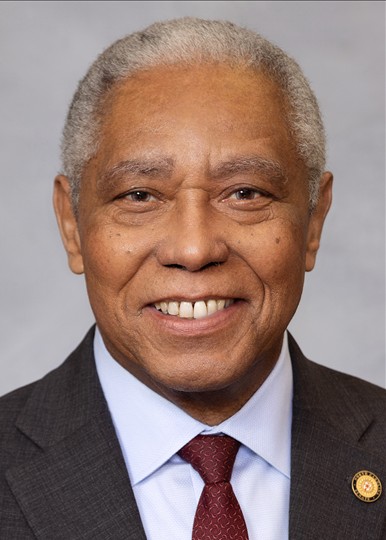
Key legislators
Who's moving education in North Carolina
Showing 31–34 of 34
bills
All education bills
HB 69, the Military and Veterans Educational Promise Act, provides two key benefits for military-affiliated individuals and veterans at North Carolina's University of North Carolina (UNC) schools. First, it requires UNC institutions to allow eligible military members (including reservists) and their spouses to defer admission for up to five years (for active duty) or two years (for reserve service) upon enrollment notice. Second, it establishes in-state tuition rates for honorably discharged veterans who served at least 90 days in the military, graduated from a North Carolina high school after 2004, had a North Carolina duty station, or received a Purple Heart. The bill applies to all UNC institutions beginning in the 2025-2026 academic year.
HB 397 allows schools in North Carolina to use epinephrine nasal spray as an emergency treatment option alongside traditional auto-injectors for students experiencing anaphylaxis. The bill amends school health policies to include nasal spray devices in the definition of "epinephrine auto-injector delivery systems," requiring all schools to maintain at least two emergency epinephrine supplies (now including nasal spray) in secure but accessible locations. Schools must train staff to recognize anaphylaxis symptoms, store devices properly, and follow emergency action plans developed with school nurses. This applies to public schools, charter schools, and regional schools starting in the 2025-2026 school year. The policy directly affects school staff, students with severe allergies, and school health protocols.
HB 149 creates a pilot program allowing eligible North Carolina school districts (those with at least 5,000 students and tax authority) to submit a Financial and Hiring Flexibility Plan (FHFP) to the State Board of Education. The plan permits districts to use state funds more flexibly and hire up to 50% unlicensed teachers (who must complete specific training in disability education, behavior management, and safety) while meeting defined academic goals by 2030-2031, such as 100% student career planning and 90% teacher retention. The State Board reviews plans annually and can terminate them if districts fail to meet goals, violate fiscal rules, or have low-performing schools. This program aims to give districts operational flexibility to improve student outcomes, subject to state oversight and performance metrics.
HB 58 modifies local election rules across North Carolina. It extends Kittrell's mayor and commissioners' terms from two to four years, changes Asheboro's school board to seven partisan-elected members (down from 11) with four-year staggered terms, and eliminates a mandatory school funding floor for Scotland County. The bill also establishes residency districts for Anson County commissioners, clarifies vacancy procedures for Caswell County, and allows Scotland County to set school budgets without state-mandated funding minimums. These changes directly affect local governments and school boards in multiple counties, altering election structures and budget authority.