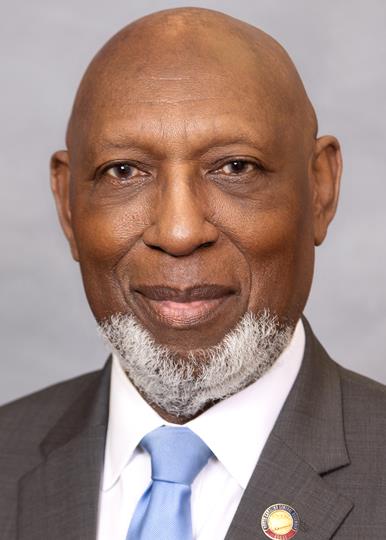
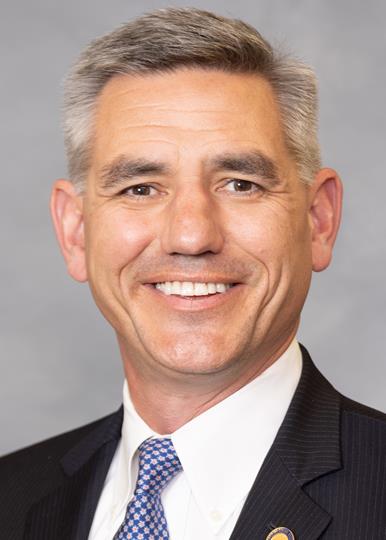
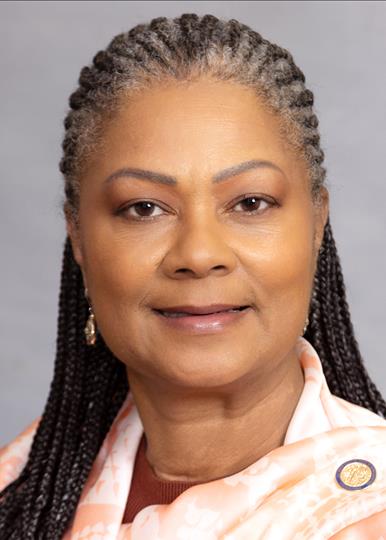
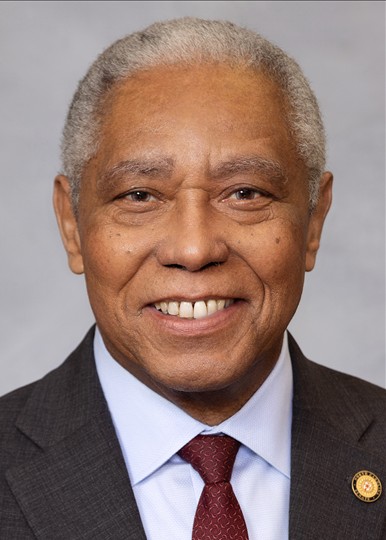
Key legislators
Who's moving education in North Carolina
Showing 4 of 4
bills
All education bills
SB 227 prohibits North Carolina public schools from teaching or promoting 12 specific "divisive concepts" defined in the bill, such as claims that one race is inherently superior or that individuals bear responsibility for past actions of their race. The bill directly affects K-12 students, teachers, and school employees by banning instruction on these concepts and restricting professional development that includes them. Key provisions include requiring schools to avoid "discriminatory practices" and preventing staff from being compelled to affirm divisive concepts. The bill does not ban all diversity initiatives but targets specific teachings it deems contrary to "equality and rights of all persons." This is a proposed bill (not yet law) currently under review in the North Carolina Senate.
SB 558 (North Carolina Senate Bill 558) requires public universities and community colleges to adopt diversity, equity, and inclusion policies that comply with state law while prohibiting the promotion of specific "divisive concepts." It defines 12 concepts as "divisive," including claims that one race or sex is inherently superior, individuals bear guilt for past actions of their race, or meritocracy is inherently racist. The bill mandates that institutions avoid teaching these concepts and bars community colleges from investigating protected speech (like satire) labeled as "microaggressions." It directly affects all public higher education employees, faculty, and students in North Carolina's university system and community colleges.
HB 415 modifies North Carolina high school mathematics graduation requirements, primarily affecting students and the State Board of Education. It requires completion of NC Math 1 and 2, plus two additional math courses aligned with a student's postsecondary plans, and eliminates the end-of-course test for NC Math 3. The bill establishes an "Extended Math" pathway, dividing NC Math 1 and 2 content into four courses for students needing more time and support. Students scoring below proficient on certain math assessments will be enrolled in these extended courses, which are set to begin in the 2025-2026 school year.
HB 414 aims to give equal credit for community college courses towards high school graduation requirements for dually enrolled students, including those in the Career and College Promise program. It directs the State Boards of Community Colleges and Education to collaborate on developing a system where one community college course grants one full high school credit in core subjects, without requiring corresponding high school end-of-course tests. Until this system is fully established, specific community college courses will temporarily satisfy certain high school credits starting in the 2025-2026 academic year. Additionally, the bill modifies high school math graduation requirements, affecting which math courses require an end-of-course test.