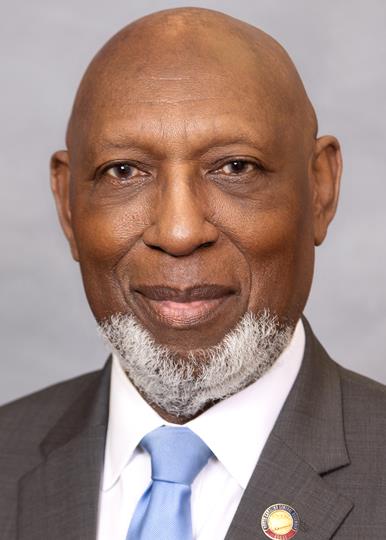
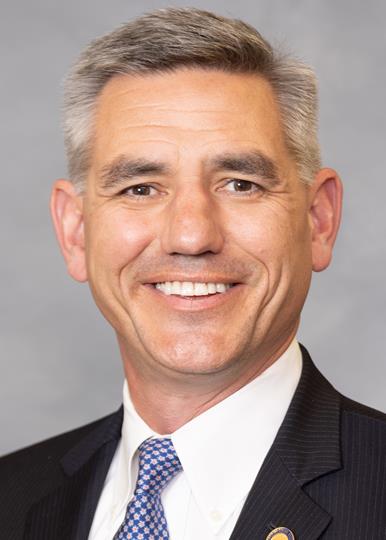
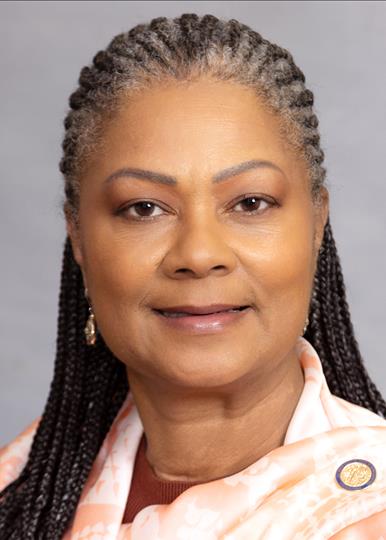
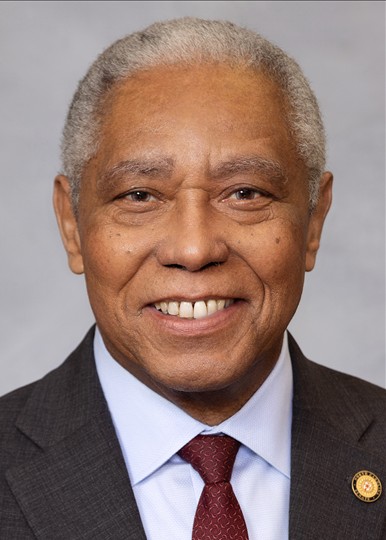
Key legislators
Who's moving education in North Carolina
Showing 3 of 3
bills
All education bills
HB 268 authorizes the University of North Carolina system to finance specific capital projects at UNC Chapel Hill and UNC Wilmington using alternative funding sources like gifts, grants, and revenue bonds - instead of state general funds. It specifically covers major projects including Chapel Hill's electrical system upgrade and Fetzer Hall addition, plus Wilmington's parking deck and student housing. The bill allows the university board to issue special obligation bonds up to 5% over the project costs to cover expenses, with potential adjustments approved by the state budget director. This directly affects the two universities by enabling them to fund these infrastructure improvements through non-state appropriations.
SB 355 waives tuition at North Carolina public colleges for survivors of correctional officers, probation officers, or firefighters who died in the line of duty or became permanently disabled. It specifically covers spouses of disabled officers and children (ages 17-24) of disabled officers, with eligibility requiring service-connected death/disability and verification from relevant agencies. The waiver applies to both credit and noncredit programs, limiting bachelor’s degree support to 54 months. This policy directly affects families of these public safety workers by reducing education costs.
House Bill 433 allows licensed registered nurses (RNs) to serve as school nurses in North Carolina public schools. The bill prohibits the State Board of Education from requiring a four-year degree for school nurse employment. It specifies that RNs with at least two years of experience in a hospital or health clinic can work as school nurses without needing additional certifications or licenses. These qualified registered nurses will be paid under the certified school nurse pay scale.