Issue · Criminal Justice

Criminal Justice

Every criminal justice bill, vote, and legislator stance in North Carolina, automatically classified by Maddy, our AI policy reader.

Total bills
171
2025-2026 Session
Top supporter
Allison Dahle
100% support rate
Top opponent
Alan Branson
0% support rate
Ranked legislators
10
5 support · 5 oppose
Key legislators

Who's moving criminal justice in North Carolina

Legislators moving criminal justice in North Carolina
Legislator Party Stance Support rate Decisive votes
Allison Dahle
Allison Dahle House · District 11
D
Strong +
100% 9
Becky Carney
Becky Carney House · District 102
D
Strong +
100% 9
Julie von Haefen
Julie von Haefen House · District 36
D
Strong +
100% 9
Marcia Morey
Marcia Morey House · District 30
D
Strong +
100% 9
Maria Cervania
Maria Cervania House · District 41
D
Strong +
100% 9
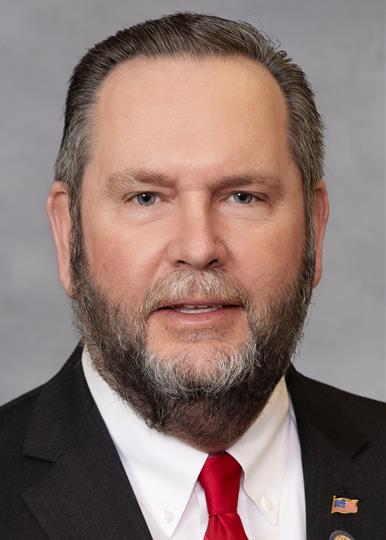
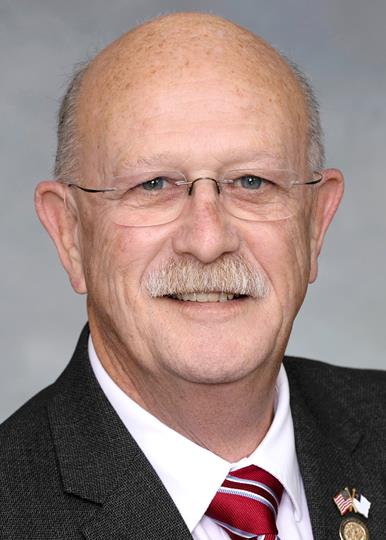
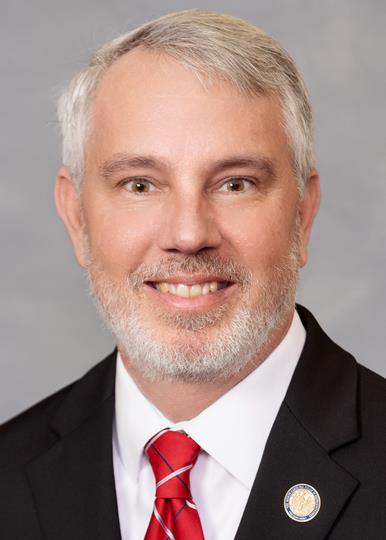
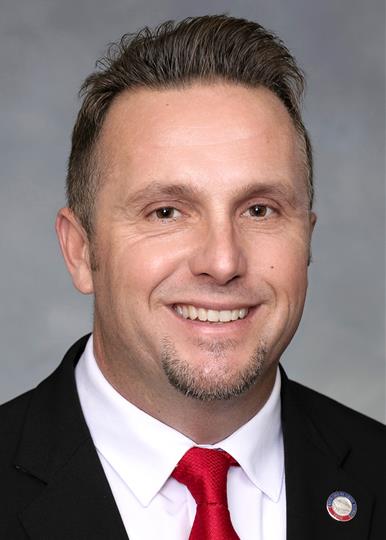
Alan Branson
Alan Branson House · District 59
R
Strong −
0% 9
Bill Ward
Bill Ward House · District 5
R
Strong −
0% 9
Blair Eddins
Blair Eddins House · District 94
R
Strong −
0% 9
Brian Biggs
Brian Biggs House · District 70
R
Strong −
0% 9
Brian Echevarria
Brian Echevarria House · District 82
R
Strong −
0% 9
Showing 81–90 of 171 bills

All criminal justice bills

passed · North Carolina · House Mar 12, 2025

HB 52: Protect Those Who Serve and Protect Act of 2025.

HB 52, the "Protect Those Who Serve and Protect Act of 2025," increases penalties for assaults against public safety personnel and their animals. It creates a new Class I felony offense for throwing, spraying, or projecting substances (like water) at public safety officers or law enforcement/search and rescue animals while they are on duty or due to their role. The bill also prohibits intentionally pointing laser devices at these protected individuals or animals during duty. These changes update existing assault laws to explicitly cover a wider range of emergency workers (including firefighters, medical staff, National Guard members, and school employees) and add specific protections for animals used in public safety.
Sub-Topics Violent Crime
in committee · North Carolina · Senate Mar 18, 2025

SB 302: The Sergeant Mickey Hutchens Act.

SB 302, "The Sergeant Mickey Hutchens Act," allows law enforcement, probation/parole, and corrections officers in North Carolina who hold specific advanced certificates to purchase up to four years of retirement credit. It directly affects officers with an Advanced Law Enforcement Certificate (from NC Criminal Justice or Sheriffs' training commissions) or an Advanced Corrections Certificate (from NC Criminal Justice Commission), provided they have at least five years of existing retirement service. Officers can pay a lump sum to the retirement system’s Annuity Savings Fund to add this credit, calculated based on actuarial assumptions for the retirement system’s liability. The bill applies to both the Teachers’ and State Employees’ Retirement System and Local Governmental Employees’ Retirement System, effective July 1, 2025.
Sub-Topics Probation & Parole
in committee · North Carolina · House Apr 16, 2025

HB 1011: NC Compassionate Care Act.

The "North Carolina Compassionate Care Act" (HB 1011) seeks to legalize the medical use of cannabis for individuals diagnosed with specific debilitating medical conditions. The bill establishes a system where qualified patients, certified by a physician, and their designated caregivers can obtain registry identification cards from the Department of Health and Human Services. It outlines a list of qualifying debilitating conditions, including cancer, epilepsy, and PTSD. This legislation also details the creation of a regulated system for the cultivation, processing, and dispensing of medical cannabis through licensed facilities. Its intent is to protect patients and their doctors from criminal and civil penalties related to the medical use of cannabis.
Sub-Topics Drug Policy
in committee · North Carolina · House Apr 1, 2025

HB 585: Human Trafficking Reporting/Response System.

HB 585 appropriates $300,000 in recurring funds for the North Carolina Human Trafficking Commission to develop and support a secure, technology-driven reporting and response system focused on survivor-centered care. The system will specifically target western North Carolina, where access to anti-human trafficking resources is limited, and includes funding for a regional coordinator to oversee implementation and partnerships with law enforcement. It also allocates resources for a public awareness campaign to increase system use among at-risk communities and first responders. The bill requires the Commission to coordinate this system as part of its duties under state law.
Sub-Topics Human Trafficking
in committee · North Carolina · Senate Mar 24, 2025

SB 358: Hate Crimes Prevention Act.

SB 358, the "Hate Crimes Prevention Act," expands North Carolina's hate crime laws by increasing penalties for offenses motivated by the victim's actual or perceived race, ethnicity, religion, nationality, gender identity, sexual orientation, disability, or gender expression. It upgrades certain misdemeanors to higher classifications (like Class H felonies) and adds civil remedies for victims, including compensation for emotional distress and attorney fees. The bill also mandates the State Bureau of Investigation to create a hate crimes database, requires law enforcement officers to receive specialized training on identifying and reporting hate crimes, and directs prosecutors to develop hate crime prosecution training. These changes directly affect victims of hate crimes, law enforcement agencies, and prosecutors by strengthening legal responses and data collection.
Sub-Topics Civil Rights
in committee · North Carolina · Senate Mar 25, 2025

SB 409: Ban Ghost Guns and Undetectable Firearms.

SB 409 bans the sale, possession, and transfer of "ghost guns" (unserialized firearms like homemade kits) and "undetectable firearms" (e.g., plastic guns or those avoiding metal detectors). It directly affects most North Carolinians, including gun owners and sellers, with exceptions only for federally licensed firearm manufacturers under ATF rules. The law imposes Class I felony penalties for violations and takes effect December 1, 2025. Key provisions define prohibited items based on federal standards and prohibit all non-licensed activity involving them.
Sub-Topics Drug Policy Firearms
died · North Carolina · House Apr 14, 2025

HB 699: Sheriff's Deputies/Dismissals.

HB 699 would have prohibited North Carolina sheriffs from firing deputy sheriffs or other employees in their office for failing to make campaign contributions to the sheriff or the sheriff's campaign committee. This directly affects sheriff's office employees who could previously face employment consequences based on political donations. The bill's key provision would have made it illegal for sheriffs to use campaign contributions as a factor in hiring, firing, or disciplinary decisions. It represents a policy change to prevent coercion of employees through campaign donation requirements.
Sub-Topics Law Enforcement
in committee · North Carolina · House Feb 24, 2025

HB 166: Allow Extreme Risk Protection Orders to Prevent Suicides and Save Lives.

HB 166 creates a legal process for courts to issue Extreme Risk Protection Orders (ERPOs) that temporarily restrict a person's access to firearms when they pose a danger of harming themselves or others. The bill allows family members, law enforcement, or healthcare providers to petition a court for an ERPO, requiring the court to order the seizure of firearms if the respondent fails to surrender them. It specifically defines "firearm" and outlines procedures for filing petitions, service, and court hearings, with no court costs for petitioners. The law aims to prevent gun-related harm through court-supervised temporary firearm removal, while including safeguards like mandatory mental health evaluations and annual reporting requirements.
Sub-Topics Courts Firearms
in committee · North Carolina · House Apr 14, 2025

HB 942: Support Survivors/Funds.

HB 942 allocates $10 million in recurring state funds for the 2025-2026 fiscal year to the North Carolina Coalition Against Sexual Assault. This funding will be distributed by the Coalition to partner organizations, including domestic violence programs, rape crisis centers, and child advocacy centers. The bill directs these organizations to use the funds for victim advocacy services, such as counseling and support for survivors of sexual assault. The legislation becomes effective July 1, 2025, and directly supports survivors by strengthening local victim services.
in committee · North Carolina · Senate Mar 26, 2025

SB 531: Extended Inpatient Treatment Reimbursable.

SB 531 requires North Carolina's mental health agencies (LME/LME/MCO) to reimburse private treatment facilities for inpatient care provided to patients under court-ordered mental health treatment when care extends beyond 30 days. This directly affects private facilities that provide extended mental health care for individuals committed by court order. The bill mandates that state agencies cover these costs, shifting financial responsibility from private providers to the state. It applies to treatments beginning on or after the law's effective date.
Showing 81 to 90 of 171 bills
Previous 1 … 8 9 10 … 18 Next