Issue · Criminal Justice

Criminal Justice

Every criminal justice bill, vote, and legislator stance in North Carolina, automatically classified by Maddy, our AI policy reader.

Total bills
171
2025-2026 Session
Top supporter
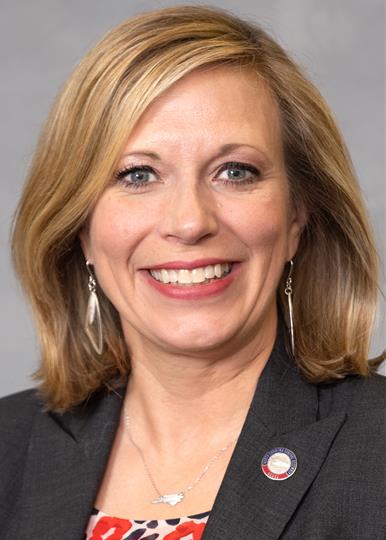
Becky Carney
100% support rate
Top opponent
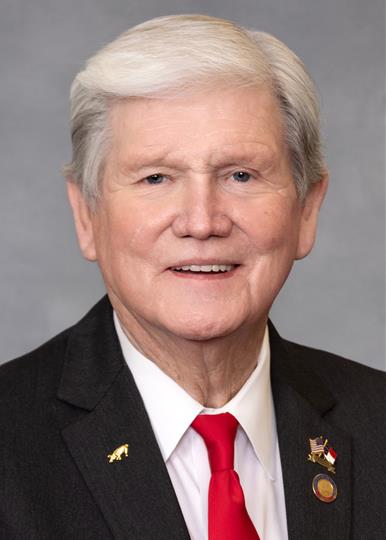
Jimmy Dixon
0% support rate
Ranked legislators
10
5 support · 5 oppose
Key legislators

Who's moving criminal justice in North Carolina

Legislators moving criminal justice in North Carolina
Legislator Party Stance Support rate Votes
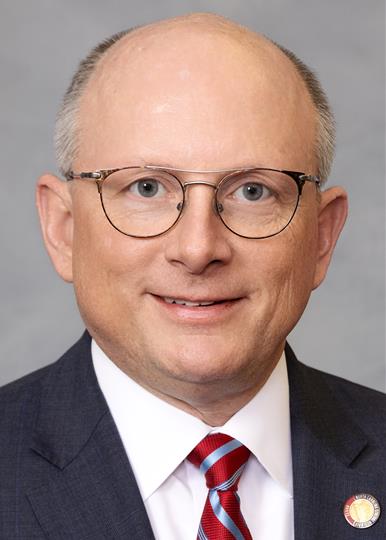
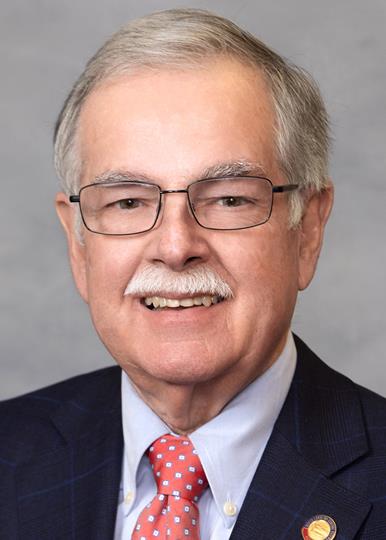
Becky Carney
Becky Carney House · District 102
D
Strong +
100% 42
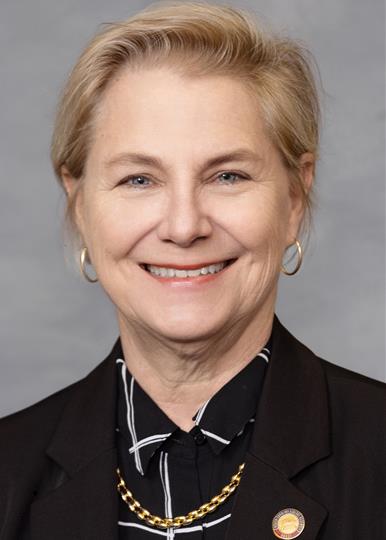
Sarah Crawford
Sarah Crawford House · District 66
D
Strong +
100% 42
Deb Butler
Deb Butler House · District 18
D
Strong +
100% 37
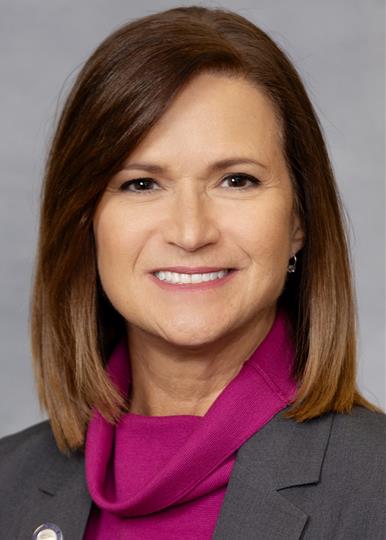
Maria Cervania
Maria Cervania House · District 41
D
Strong +
100% 42
Allison Dahle
Allison Dahle House · District 11
D
Strong +
100% 41
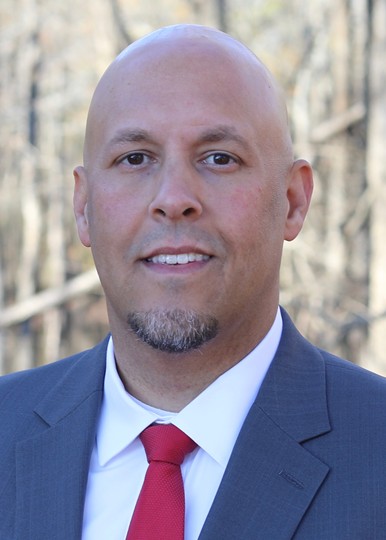
Jimmy Dixon
Jimmy Dixon House · District 4
R
Strong −
0% 39
Celeste Cairns
Celeste Cairns House · District 13
R
Strong −
0% 40
John Lowery
John Lowery House · District 47
R
Strong −
0% 28
Tim Reeder
Tim Reeder House · District 9
R
Strong −
0% 41
Donny Lambeth
Donny Lambeth House · District 75
R
Strong −
0% 40
Showing 161–170 of 171 bills

All criminal justice bills

in committee · North Carolina · House Apr 10, 2025

HB 868: Due Process in Law Enforcement Officers Field Drug Testing.

HB 868 requires North Carolina law enforcement to use confirmatory lab tests before relying on field drug tests for arrests or convictions related to drug possession. It mandates that colorimetric field drug tests alone cannot establish probable cause for arrest, initiate charges, lead to conviction, or influence sentencing after January 1, 2026. Law enforcement must adopt policies ensuring cases without a lab-confirmed result lead to release (via citation or written promise to appear) rather than continued detention. The bill directly affects all North Carolina law enforcement agencies and prosecutors handling drug possession cases under G.S. 90-95(a)(3), requiring them to implement these changes by 2026.
Sub-Topics Drug Policy Sentencing Tags Civil Liberties
in committee · North Carolina · House Apr 14, 2025

HB 978: Establish Youth Mentoring Commission/Mentoring Funds.

HB 978 establishes the North Carolina Commission on Youth Mentoring within the Department of Health and Human Services to administer grants supporting local youth mentoring programs. The bill allocates $1.5 million annually from 2025-2027 to fund small-to-medium nonprofit organizations providing mentoring services, with specific goals to increase quality mentoring, reduce youth safety risks, and strengthen community connections. The Commission, composed of 15 appointed members including youth participants and community representatives, will manage the grant program, develop application processes, and submit annual reports on funding distribution and social impact to legislative committees. This legislation directly affects North Carolina-based youth mentoring nonprofits and aims to expand accessible, high-quality mentoring opportunities for young people across the state.
in committee · North Carolina · House Apr 14, 2025

HB 961: Criminal Intent Sentence Enhancement.

HB 961, the "Hate Crimes Prevention Act," increases sentencing for felony convictions where the victim was targeted due to their race, ethnicity, religion, nationality, country of origin, or gender. If proven, the offender faces a sentence one felony class higher than the original charge (e.g., Class C felony becomes Class B). The bill requires the indictment to allege the bias motivation, and the state must prove it beyond a reasonable doubt during the same trial. It takes effect December 1, 2025, applying to offenses committed after that date.
in committee · North Carolina · House Apr 14, 2025

HB 987: Create Police Leadership Fellows Program.

HB 987 creates the North Carolina Police Leadership Fellows Program, which provides forgivable loans to eligible individuals pursuing undergraduate degrees in criminal justice, government, or related fields at UNC institutions. The program targets high school graduates or seniors facing economic barriers (e.g., unemployment, underemployment) or those expressing interest in criminal justice careers, with priority given to residents who intend to work as sworn law enforcement officers, correctional staff, sheriffs, or similar roles after graduation. Recipients may receive up to $20,000 total in forgivable loans ($3,000/year for first two years, $7,000/year for final two years), covering tuition, fees, and books, subject to criminal background checks and residency requirements. The program is administered by a committee appointed by the Criminal Justice Education and Training Standards Commission, with annual selections of 50-100 recipients.
died · North Carolina · House Apr 17, 2025

HB 924: Board for General Contractors/Criminal Referrals.

HB 924 authorizes the North Carolina State Licensing Board for General Contractors to refer suspected criminal violations of contractor licensing laws to appropriate law enforcement agencies or District Attorneys. The bill allows the Board to disclose investigative records to these agencies to support investigations and potential criminal prosecutions. This measure applies to general contractors and entities regulated by the Board who are suspected of committing violations subject to criminal penalties. The act clarifies the Board's ability to assist in such prosecutions and takes effect on October 1, 2025, for violations committed on or after that date.
Sub-Topics Law Enforcement
in committee · North Carolina · Senate Mar 26, 2025

SB 696: Limit No-Knock Warrant/Quick-Knock Entry.

This bill requires judges to find probable cause that giving notice would endanger lives before issuing no-knock search warrants. It also mandates officers to wait after announcing their presence for occupants to respond or for officers to verify if forced entry is necessary. These changes apply to all law enforcement executing search warrants in North Carolina, directly affecting how officers enter homes during searches. The bill amends North Carolina General Statutes §§ 15A-244(b) and 15A-249(b) to clarify these procedures.
Sub-Topics Law Enforcement
passed · North Carolina · House Apr 30, 2025

HB 771: Criminal Law Procedures.

House Bill 771 modifies criminal law procedures by expanding the ability to preserve witness testimony through depositions. It authorizes the State to take depositions from material witnesses in criminal cases under specific conditions, such as when a witness is in danger, elderly, or unlikely to be available for trial. Defendants already have the right to depose witnesses who are infirm, incapacitated, or non-residents. The bill outlines procedures for these depositions, ensuring defendants receive notice, have the right to be present, and can have legal counsel.
passed · North Carolina · House May 5, 2025

HB 789: Mitigating Factor/Pretrial Use of Ignition Interlock Device.

HB 789 creates a new mitigating factor for individuals charged with impaired driving offenses in North Carolina. This factor applies if the defendant voluntarily equips their vehicle with an approved ignition interlock system within 45 days of being charged and uses it for at least six months prior to trial, without violations. The bill aims to incentivize early intervention and responsible behavior by offering a potential reduction in sentencing for eligible defendants who meet specific criteria. It also allows individuals who voluntarily install the system and meet certain requirements to apply for a waiver of a portion of the costs if they cannot afford it.
Sub-Topics Sentencing
in committee · North Carolina · House Apr 3, 2025

HB 722: Enact Criminal Justice Debt Reform.

HB 722 requires North Carolina courts to first assess a defendant's ability to pay before imposing criminal court costs and fees. It modifies rules for collecting specific costs like failure-to-appear fees ($200), crime lab services ($600 max), and digital forensics fees, requiring judges to determine affordability before assessment. The bill also mandates that courts provide 15 days' notice to government entities (like crime labs or prosecutors) before waiving or reducing fees, ensuring affected parties can object. This directly affects defendants convicted in criminal cases and government entities that collect or rely on these fees.
Sub-Topics Courts
in committee · North Carolina · Senate Mar 26, 2025

SB 694: Remove Barriers to Employment from Court Debt.

SB 694 automatically restores driver's licenses in North Carolina after 36 months for individuals whose licenses were revoked solely due to unpaid fines for minor traffic offenses (e.g., speeding tickets), removing a major barrier to employment. This change applies to people who haven’t paid court costs or fines but haven’t committed serious offenses like driving while license revoked. The bill requires the state to notify affected individuals via mail and online about license restoration and appropriates funds for a text reminder system to help prevent missed court dates. Individuals will still owe unpaid fines but no longer face license suspension for nonpayment after the 36-month period.
Sub-Topics Courts
Showing 161 to 170 of 171 bills