Issue · Budget & Taxes

Budget & Taxes (State Budget)

Every budget & taxes bill, vote, and legislator stance in North Carolina, automatically classified by Maddy, our AI policy reader.

Total bills
212
2025-2026 Session
Top supporter
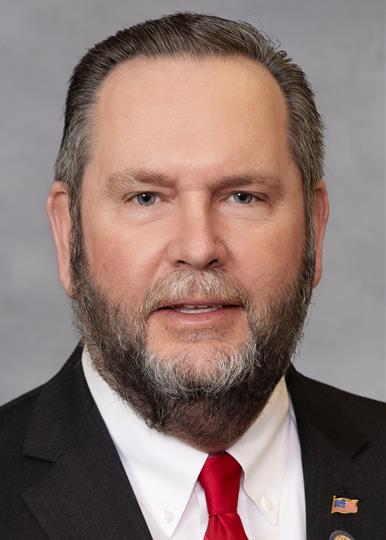
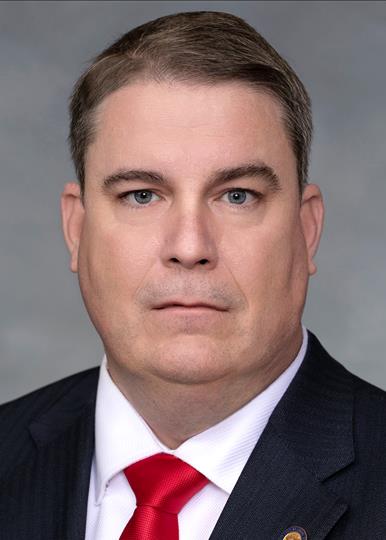
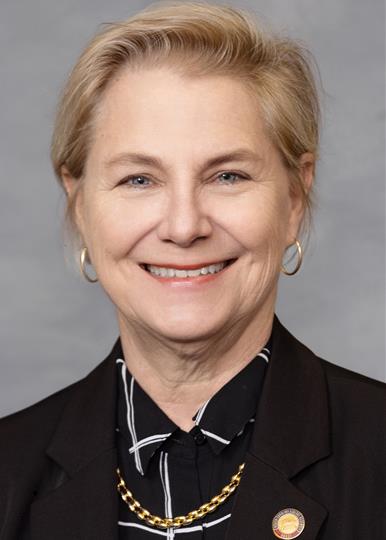
Alan Branson
100% support rate
Top opponent
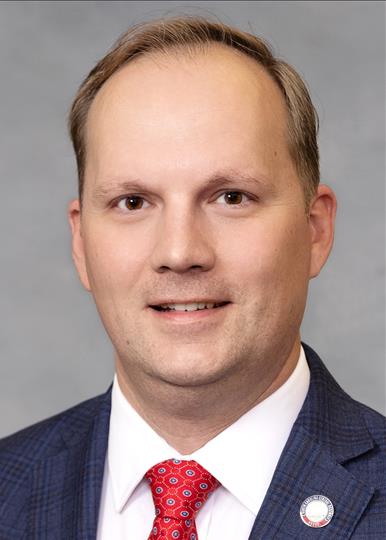
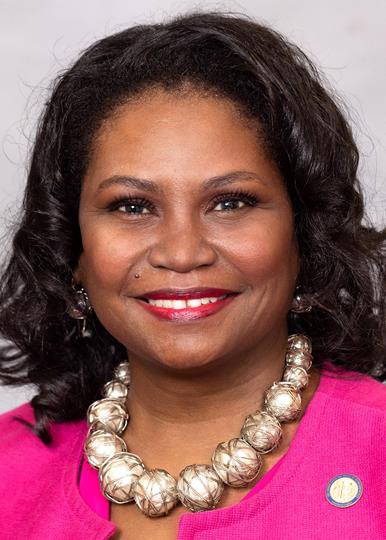
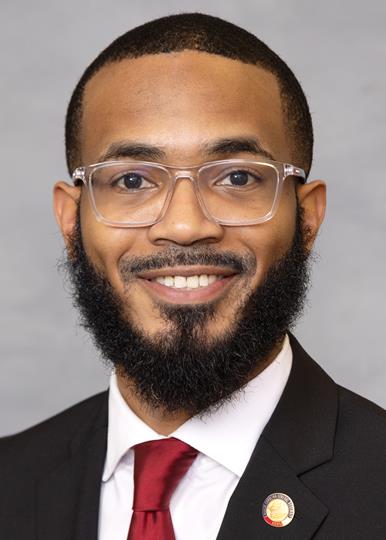
Aisha Dew
0% support rate
Ranked legislators
10
5 support · 5 oppose
Key legislators

Who's moving state budget in North Carolina

Legislators moving state budget in North Carolina
Legislator Party Stance Support rate Votes
Alan Branson
Alan Branson House · District 59
R
Strong +
100% 4
Allen Chesser
Allen Chesser House · District 25
R
Strong +
100% 4
Bill Ward
Bill Ward House · District 5
R
Strong +
100% 4
Blair Eddins
Blair Eddins House · District 94
R
Strong +
100% 4
Brenden Jones
Brenden Jones House · District 46
R
Strong +
100% 4
Aisha Dew
Aisha Dew House · District 107
D
Strong −
0% 4
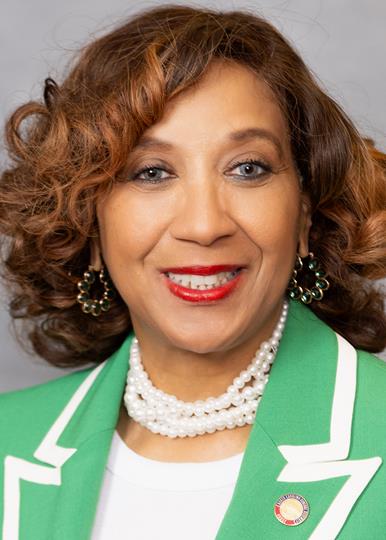
Carolyn Logan
Carolyn Logan House · District 101
D
Strong −
0% 4
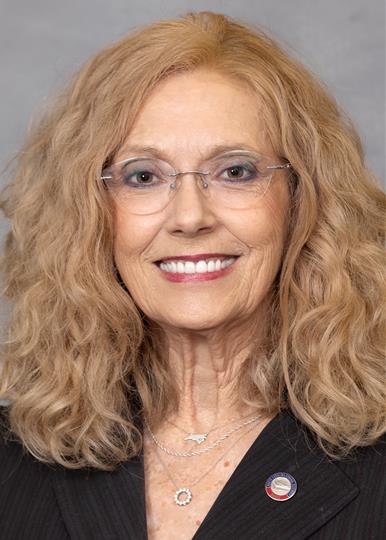
Cynthia Ball
Cynthia Ball House · District 49
D
Strong −
0% 4
Deb Butler
Deb Butler House · District 18
D
Strong −
0% 4
Jordan Lopez
Jordan Lopez House · District 112
D
Strong −
0% 4
Showing 171–180 of 212 bills

All budget & taxes bills

in committee · North Carolina · House Feb 25, 2025

HB 180: Fiscally Responsible and Sustainable Budgeting.

HB 180 requires North Carolina's legislative and executive branches to collaborate annually on a long-term budget assessment covering at least five years. The bill mandates analyzing how to maintain current services amid inflation and population changes, the cost of new policies or court mandates, employee salary/benefit adjustments, and economic or federal funding shifts. This assessment must directly inform the Governor's annual budget message, which must include a five-year fiscal outlook for new or expanded programs. The law applies to all state budget planning starting with the next fiscal year, affecting how state agencies and the Governor project spending sustainability.
in committee · North Carolina · House Feb 25, 2025

HB 178: Budgeting Accountability and Transparency.

HB 178 requires North Carolina's state agencies and legislators to make budget-related requests public once the annual budget bill passes, removing previous confidentiality for communications about funding provisions. It mandates a one-week public comment period with an online portal, at least one public hearing, and three nonvoting committee meetings for budget debate before final votes. The bill directly affects state agencies submitting budget requests, legislators receiving those requests, and the public, who gain access to previously confidential budget discussions. Key changes include requiring legislators to receive budget drafts five days before voting and treating all budget-related documents as public records after enactment.
Sub-Topics Audits & Accountability State Budget Tags Government Transparency
in committee · North Carolina · House Mar 4, 2025

HB 142: Implement Zero-Based Budgeting.

HB 142 requires North Carolina state agencies to adopt zero-based budgeting for the 2031-2033 fiscal biennium, starting with a phased implementation beginning July 1, 2027. This means agencies must justify every funding request from scratch each budget cycle - starting with a $0 baseline - rather than carrying over previous appropriations. Agencies must submit detailed justifications for each budget item, including explanations of their functions, performance data, and goals. The bill directly affects all state agencies in the executive branch, requiring them to re-evaluate all programs and costs annually. The full zero-based budget will apply to the entire state budget starting in 2031-2033.
in committee · North Carolina · House Feb 11, 2025

HB 90: State and Local Government Retirees Cost of Living Adjustment.

HB 90 provides a 3% cost-of-living adjustment (COLA) to retirement allowances for retirees in North Carolina's Teachers', State Employees', Judicial, Legislative, and Local Governmental Retirement Systems. The increase applies to retirees who retired on or before specific dates (ranging from July 1, 2024, to January 1, 2025), with those who retired later receiving a proportional increase based on months served during 2024-2025. The bill appropriates $250 million from the General Fund to fund this adjustment, effective July 1, 2025. It directly affects current retirees in these five systems by increasing their monthly payments.
Sub-Topics State Budget
in committee · North Carolina · House Mar 5, 2025

HB 273: Create/Fund Brushy Mountains State Natural Area.

HB 273 creates the Brushy Mountains State Natural Area (BMSNA) in Alexander, Caldwell, and Wilkes counties, adding it to North Carolina's state parks system. The bill appropriates $500,000 total ($250,000 one-time and $250,000 annual) from the General Fund for initial land acquisition, site development, and operating costs at BMSNA, using existing funding sources like the Land and Water Conservation Fund. This directly affects residents and visitors in those three counties by establishing a new protected natural area. The funding becomes effective July 1, 2025, for the 2025-2026 fiscal year.
in committee · North Carolina · House Mar 5, 2025

HB 280: Support for the Senior Tar Heel Legislature.

HB 280 allocates $30,000 in one-time state funds to support the North Carolina Senior Tar Heel Legislature, a program for older residents to engage with state policy. The funding, from the General Fund for the 2025-2026 fiscal year, covers operational costs for this existing program established under state law. It directly affects the Senior Tar Heel Legislature by providing financial resources for its activities. The bill becomes effective July 1, 2025, and does not create new policy but enables the program's continued operation.
Sub-Topics State Budget
in committee · North Carolina · House Mar 10, 2025

HB 312: Madison County Courthouse Relocation/Funds.

HB 312 appropriates $80 million from the General Fund for the 2025-2026 fiscal year to relocate Madison County's courthouse, which was damaged by Hurricane Helene, out of the floodplain. The funds will be directed to Madison County through the Office of State Budget and Management to support the physical relocation project. This bill directly affects Madison County by providing financial resources for rebuilding the courthouse in a safer location. It becomes effective July 1, 2025, and is a funding measure rather than a policy change.
Sub-Topics State Budget
in committee · North Carolina · House Mar 18, 2025

HB 420: Sound Basic Education for Every Child.

HB 420 allocates $4.3 million annually to fund teacher recruitment programs like "Grow-Your-Own" and "2+2" pathways in high-need schools, targeting efforts to recruit and prepare new educators. It requires the State Board of Education to develop a teacher licensure and compensation reform plan by March 2026, including pathways for new teachers and retention strategies. The bill also funds a study to expand educator preparation programs to graduate 5,000 in-state teachers annually, with a focus on increasing diversity among educators. These provisions directly affect public schools, teacher preparation programs, and prospective teachers through new funding streams and policy requirements.
in committee · North Carolina · House Mar 20, 2025

HB 447: Kernersville Event Center/Funds.

HB 447 appropriates $34 million from North Carolina's General Fund to the Town of Kernersville for the Kernersville Event Center. This funding, designated for the 2025-2026 fiscal year, is a directed grant specifically for the event center project. The bill directly affects the Town of Kernersville, which will receive the funds to support the center's development or operations. The key provision is the state allocation of nonrecurring funds to a specific local facility, effective July 1, 2025.
Sub-Topics State Budget
in committee · North Carolina · House Mar 20, 2025

HB 457: Increase Small County Funding.

HB 457 increases state funding for small county school systems in North Carolina by revising their base allotment schedule. It directly affects counties with student enrollments between 0-3,300 students per school administrative unit, raising their annual funding amounts - such as increasing the base allotment from $1,820,000 to $2,548,000 for counties with 0-1,300 students. The bill appropriates $20,961,180 in recurring funds from the General Fund for the 2025-2026 fiscal year to implement these changes. The new funding schedule takes effect on July 1, 2025, providing higher per-student support for eligible small counties.
Showing 171 to 180 of 212 bills
Previous 1 17 18 19 22 Next