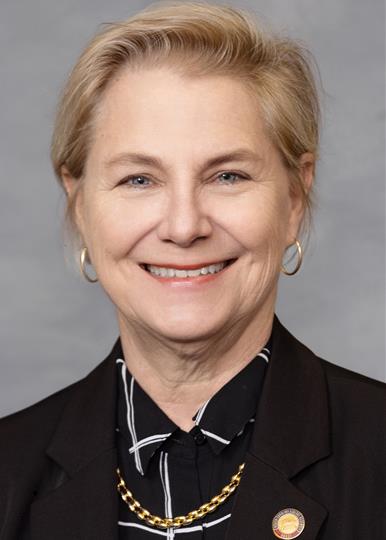
HB 832 revises North Carolina's school safety grant program to expand eligible uses of funds for training aimed at improving student well-being and safety. It allows public school units to fund evidence-based programs including suicide prevention training (CALM), trauma-focused therapies (like cognitive behavioral therapy), violence prevention, and peer mentoring facilitation. The bill specifically permits up to $350,000 in annual funding for these expanded services, directly affecting school staff, counselors, and students in North Carolina public schools. This change modifies existing grant rules without creating new funding or altering overall program structure.
SB 257, the 2025 Appropriations Act, allocates funding for North Carolina's state agencies, departments, and institutions for the 2025-2027 fiscal biennium. It provides budget authority from the General Fund, Highway Fund, and Highway Trust Fund to cover current operations, maintenance, and specific programs like those managed by the Department of Transportation. The bill also includes federal block grant funding for health and human services (DHHS) and other designated programs. This funding measure directly affects all state entities receiving these appropriations and becomes effective July 1, 2025.
HB 332 modifies Nash County's occupancy tax by allowing the county to add a 2% tax on top of the existing 3% tax for hotel/motel stays. This affects hotels, motels, and similar accommodations in Nash County (excluding nonprofits) and directs the new tax revenue to two entities: two-thirds to the Nash Tourism Development Authority for tourism promotion, and one-third to the City of Rocky Mount for approved tourism projects. The bill specifies that all funds must be spent exclusively on tourism-related activities like marketing, convention centers, or promoting travel within Nash County. It requires the county to first implement the base 3% tax before adding the additional 2% levy.
HB 1200, known as the Tax-Free Family Essentials Act, removes the state sales tax on specific items including diapers, baby wipes, over-the-counter children's medication, prenatal vitamins, and feminine hygiene products. The bill directly affects families purchasing these goods by exempting them from the tax, while also clarifying the legal definitions of these items to ensure consistent application. These tax exemptions will take effect on October 1, 2026, and apply to all sales occurring on or after that date.
SB 1080 proposes a constitutional amendment to cap North Carolina's state income tax rate at a maximum of 3.5%. If approved by voters in the November 2026 election, this change would prevent the legislature from raising the income tax rate higher than that threshold in the future. The bill applies to taxable years beginning on or after January 1, 2027, and requires a majority vote in favor to become law.
SB 449 modifies North Carolina's disaster recovery funding programs related to Hurricane Helene. It extends interest-only payment periods for Golden LEAF loans to 24 months, caps individual loans at $150,000, and defers repayment for small cities and counties until June 30, 2030, or after FEMA reimbursement decisions. Eligible communities include cities with under 10,000 residents and over 100% budget damage, or counties with under 25,000 residents and over 50% budget damage from Helene. The bill also requires local government grant projects to be ineligible for FEMA Public Assistance reimbursement to qualify for funding.
HB 389 establishes a two-year pilot program to create free child care workforce academies across North Carolina, directly affecting individuals seeking careers in child care with no prior experience. The program provides free training, credentialing support (including health screenings and background checks), and stipends ($150 upon completion, $500 after one year of employment) to help participants become lead teachers in licensed child care centers. It allocates $738,000 annually from the General Fund for 2025-2027 to cover tuition and stipends, requiring local partnerships to contribute 25% match. The pilot will launch in Johnston and Wayne counties plus 10 additional regions, with progress reports due by 2026 to evaluate expansion potential. (Note: The bill title "Continuing Budget Operations Part III" appears inconsistent with the actual content; the text focuses on child care workforce training.)
HB 125 establishes budget operations for North Carolina's 2025-2027 fiscal biennium, primarily allocating $142 million in one-time funds for agricultural disaster relief related to 2024 crop losses. It requires recipients to first seek insurance or federal aid before using state funds, and to return state funds if alternative sources are secured. The bill directly affects farmers, institutions of higher education, and other entities receiving disaster aid, mandating transparency through reporting to the State Auditor. Crucially, it prohibits the Governor from using these disaster funds for general budget adjustments or reallocations.
SB 706 restores funding for counties to address scrap tire disposal by increasing the portion of tax revenue allocated to local governments from 50% to 75%. It directs the Department of Environmental Quality to use these funds to grant counties assistance for cleaning up scrap tire disposal sites and managing tire-related waste, prioritizing areas with severe disposal problems and financial need. The bill requires counties to demonstrate higher disposal costs than prior tax reimbursements to qualify for grants and mandates annual reporting on fund usage. This directly affects North Carolina counties struggling with scrap tire accumulation, particularly those with limited resources for waste management.
SB 387 revises tax benefits for properties cleaned up under North Carolina's Brownfields Property Reuse Act. It establishes a 5-year tax exclusion schedule for qualifying improvements on brownfields sites: 90% exclusion in year one, decreasing to 10% in year five. This directly affects property owners who have entered brownfields agreements with the Department of Environmental Quality (DEQ) for contaminated land cleanup. The bill also adds new fees: a $2,000 application fee, a cost-recovery fee for DEQ services (paid in two installments), and penalties for non-compliance, all funding the Brownfields Implementation Account. The changes take effect for taxes in 2025 and later.