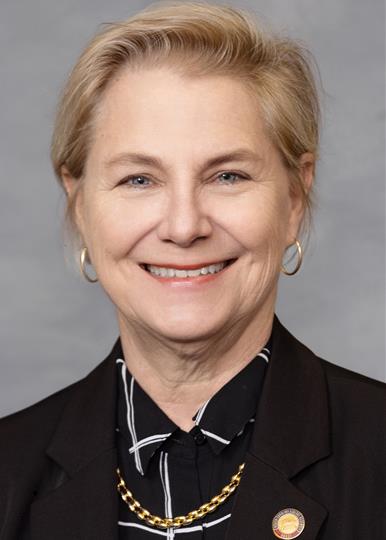
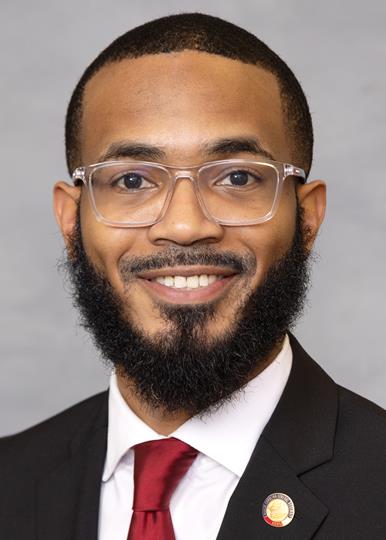
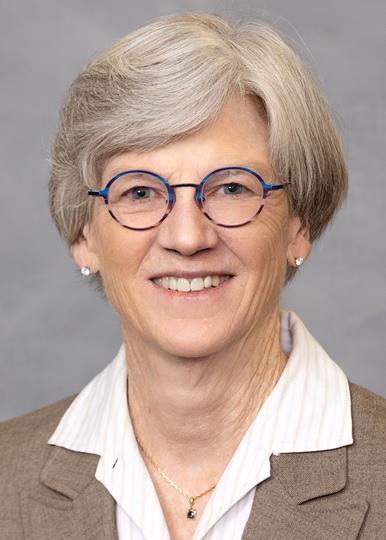
Key legislators
Who's moving budget & taxes in North Carolina
Showing 21–24 of 24
bills
All budget & taxes bills
HB 1012 redirects over $64 million in existing state funds to support communities affected by Hurricane Helene and wildfires in Western North Carolina. It transfers $25 million from the Environmental Quality budget for water infrastructure repairs, $12.5 million for school closures, $5 million for university facility repairs, and $2.25 million for election operations in impacted areas. The bill applies to counties designated under federal disaster declarations for Hurricane Helene (per Section 1.4) and addresses wildfire recovery efforts hampered by the storm (per Section 1.5). These funds are drawn from unspent allocations in existing state programs, not new taxes.
SB 101 protects funds in North Carolina's 529 education savings accounts and ABLE accounts (for people with disabilities) from being seized by creditors. It ensures that money used for qualifying purposes - like education expenses for 529s or disability-related costs for ABLEs - cannot be claimed through liens, garnishments, or judgments. The bill repeals an existing law that previously allowed such claims and applies to actions filed after September 1, 2025. This directly affects account owners, beneficiaries, and contributors who use these funds for permitted purposes.
SB 131 authorizes Buncombe County to use existing local sales tax proceeds (allocated by the state) for any public purpose, removing prior restrictions on how these funds could be spent. It directly affects Buncombe County residents and local projects funded through these taxes. The bill allows the county to redirect funds toward any public need - such as infrastructure, parks, or services - without specific project limitations. This temporary measure applies to tax proceeds allocated on or after July 1, 2025, through June 30, 2027. The bill is pending legislative action and does not create new taxes or alter tax rates.
HB 58 modifies local election rules across North Carolina. It extends Kittrell's mayor and commissioners' terms from two to four years, changes Asheboro's school board to seven partisan-elected members (down from 11) with four-year staggered terms, and eliminates a mandatory school funding floor for Scotland County. The bill also establishes residency districts for Anson County commissioners, clarifies vacancy procedures for Caswell County, and allows Scotland County to set school budgets without state-mandated funding minimums. These changes directly affect local governments and school boards in multiple counties, altering election structures and budget authority.