Requires the commissioner of labor to promulgate rules and regulations to authorize competent operators at least sixteen years of age to operate all amusement devices.
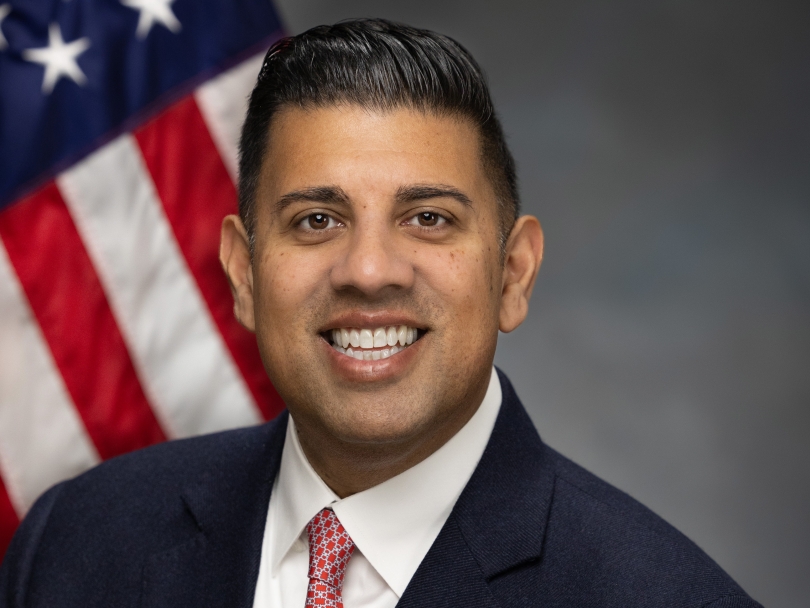
Sen. Jeremy Cooney
Sponsored bills
Establishes an Asian American Native Hawaiian Pacific Islander (AANHPI) leadership institute within the state university of New York as an initiative for Asian American Native Hawaiian Pacific Islander (AANHPI) leaders in higher education with a mission to retain and grow from within SUNY a greater proportion of Asian American Native Hawaiian Pacific Islander (AANHPI) professionals at SUNY campuses; creates an eight member advisory council.
Enacts the "shelter arrears eviction forestallment act" to provide emergency assistance for rent or mortgage arrears or other fees for the prevention of eviction.
Relates to special provisions for the operation of bicycles when approaching stop signs and traffic-control signals including steady circular red signals and red arrow signals.
Maddy summaryS 176 creates a new civil legal remedy allowing individuals to sue when their constitutional or legal rights are violated by government officials or public entities acting under government authority. It directly affects anyone whose rights are deprived by such actors, including victims of police misconduct, discriminatory policies, or other state-sponsored violations. Key provisions include allowing lawsuits for damages and attorney fees (even if the case settles without a court judgment), removing common defenses like "good faith" or "unclear law," and requiring public entities to cover their employees' legal costs. The law sets a three-year deadline for filing claims and applies to both state and federal rights violations.

Relates to comprehensive delivery of infrastructure delivered between a public entity and a development entity consolidating at least two or more of design, construction, finance, operations and/or maintenance work, including construction manager or construction manager at risk; authorizes a public entity to pursue certain authorized projects; provides for project funding and authorizes the public entity to accept from any source any grant, donation, gift or other form of conveyance of land, money; provides for labor and public interest protections; makes related provisions.
Waives Unemployment Pandemic Benefits repayments in whole or in part if the payment of such pandemic unemployment assistance was without fault on the part of the claimant and such repayment would be contrary to equity and good conscience.
Maddy summaryThe Hunger-Free Campus Act (S 2637) creates a grant program for public colleges and universities to address student food insecurity. To qualify, campuses must meet specific requirements, including establishing student-led hunger task forces, providing SNAP enrollment assistance, operating on-campus food pantries, and conducting annual student hunger surveys. Grants fund initiatives like meal donation programs, SNAP outreach, and awareness campaigns to support students' basic food needs. The program requires institutions to report on grant usage and outcomes to the state education commissioner, with priority given to schools with high Pell Grant enrollment.
Maddy summaryThis bill amends environmental law to define "advanced recycling" as processes converting plastic waste (post-use polymers) into new materials - like monomers or chemicals - using methods such as pyrolysis or gasification, while explicitly excluding incineration and waste-to-energy. It creates new definitions for "advanced recycling facilities," clarifying these must follow standard manufacturing regulations (air, water, land use) but are not classified as waste disposal or management facilities. The law directly affects plastic recycling facilities using these technologies, changing how they are regulated under environmental rules. The changes aim to distinguish advanced recycling from traditional waste handling and incineration processes.
Maddy summaryThis bill would allow New York SNAP (food stamp) recipients to use their benefits to purchase menstrual products like tampons, sanitary napkins, and panty liners. It requires the state to apply for a federal waiver or authorization within 90 days to make this change, as current federal rules currently restrict SNAP use to food items. The policy directly affects low-income New Yorkers who rely on SNAP benefits for basic needs. The change would take effect only after federal approval is secured.