

Establishes the healthy and safe students act; requires comprehensive sexuality instruction for students in grades K-12 which includes a model curricula for comprehensive sexuality education and at a minimum conforms to the content and scope of national sexuality education standards.
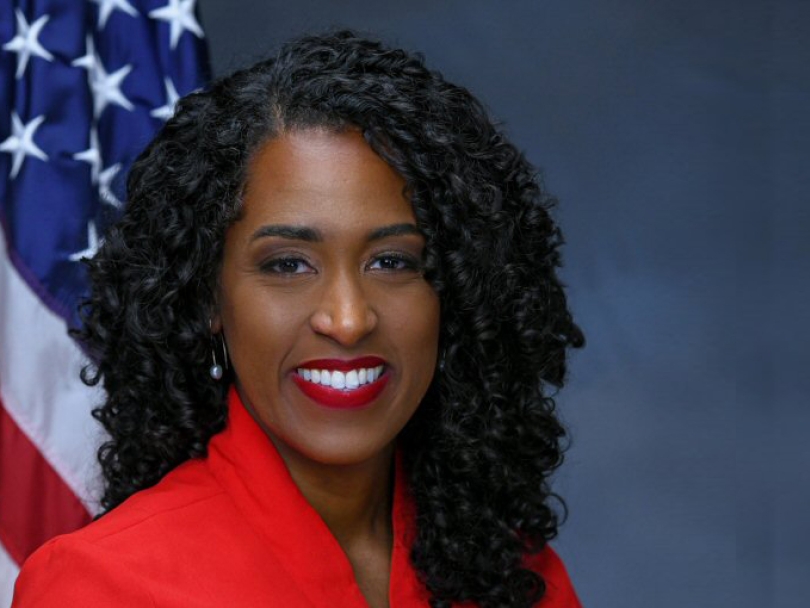
Sen. Samra Brouk
Sponsored bills
Establishes the professional practice of community midwifery; defines as the management in the home, birth center, or community setting, of normal pregnancies, child birth, and postpartum care, including newborn evaluation, resuscitation and referral for infants; sets requirements for license and practice.
Establishes a school-based mental health loan repayment program to aid youth mental health practitioners; provides for awards up to thirty thousand dollars to eligible applicants who agree to four years of service in underserved schools.
Maddy summaryS 1439 (New York) imposes a new tax on investment income from long-term capital gains, dividends, and other low-taxed federal income types. It directly affects high-income New York residents with significant investment earnings, targeting individuals and estates with taxable income above specific thresholds. The bill adds a 7.5% tax on long-term capital gains above $400,000-$500,000 (depending on filing status), gradually increasing to 15% above $800,000-$1 million. This tax phases in over defined income ranges and is administered like existing state income tax. The bill is currently referred to the Budget and Revenue committee.
Aligns utility regulation with state climate justice and emission reduction targets; provides for a statewide affordable gas transition plan and utility home energy affordable transition programs; repeals provisions relating to continuation of gas service; repeals provisions relating to the sale of indigenous natural gas for generation of electricity.
Maddy summarySenate Bill S 491 expands the definition of unlawful discriminatory practice in public accommodations. It specifically includes the wearing of religious attire, clothing, or facial hair in accordance with a person's religion under the protected characteristic of "creed." This means that owners, managers, or employees of public places cannot refuse services or deny accommodations to individuals based on these religious practices.
Establishes protections for adults sixty years of age or older, or at least the age of eighteen and who, because of mental or physical impairments, are unable to manage their own resources or protect themselves from financial exploitation without assistance from others.
Maddy summaryThis bill restricts health care employers from requiring nurses or health care workers (excluding doctors, residents, and security staff) to work more than their regularly scheduled hours, except in specific emergencies or during ongoing surgical procedures. It defines "regularly scheduled work hours" to include pre-scheduled on-call time and shift report communication, and prohibits using on-call time as a substitute for mandatory overtime. Exceptions include health care disasters, official emergency declarations, unanticipated staffing emergencies, or procedures requiring continuous presence for patient safety. The law aims to protect patient care quality by limiting excessive work hours, without affecting existing rights under other laws or collective bargaining agreements.
Maddy summaryThis bill, the "Raise the Wage Act," increases New York's minimum wage to $21.25 per hour in New York City by 2028, $17.25 in the city's suburbs (Nassau, Suffolk, Westchester) by 2026, and gradually across the rest of the state. It repeals current static wage provisions and establishes automatic annual adjustments tied to inflation and productivity, mirroring the formula used for upstate wages since 2022. The bill directly affects all hourly workers covered under New York's labor law, particularly in low-wage sectors like home care and childcare. This indexing mechanism aims to prevent future erosion of purchasing power, ensuring wages keep pace with rising living costs.
Establishes a culturally responsive education curriculum and standards; requires all school districts, charter schools and private schools to integrate culturally responsive education throughout the education of all students at all grade levels; establishes a pilot program in culturally responsive education; appropriates $25,000,000 therefor.