

Maddy summaryThis bill creates a new legal framework for anti-stalking orders to protect victims from repeated, severe harassment. It directly affects stalking victims (petitioners) and alleged stalkers (respondents) by establishing specific court procedures for obtaining protective orders. Key provisions require courts to issue orders prohibiting contact (including digital communication), surveillance, remote control of connected devices (like smart home systems), and proximity to victims' homes or workplaces. The law defines "stalking" broadly to include numerous offenses under existing penal codes, such as harassment, assault, and unauthorized sharing of intimate images. These orders can be issued quickly without notice for immediate threats, with final orders requiring a court hearing.
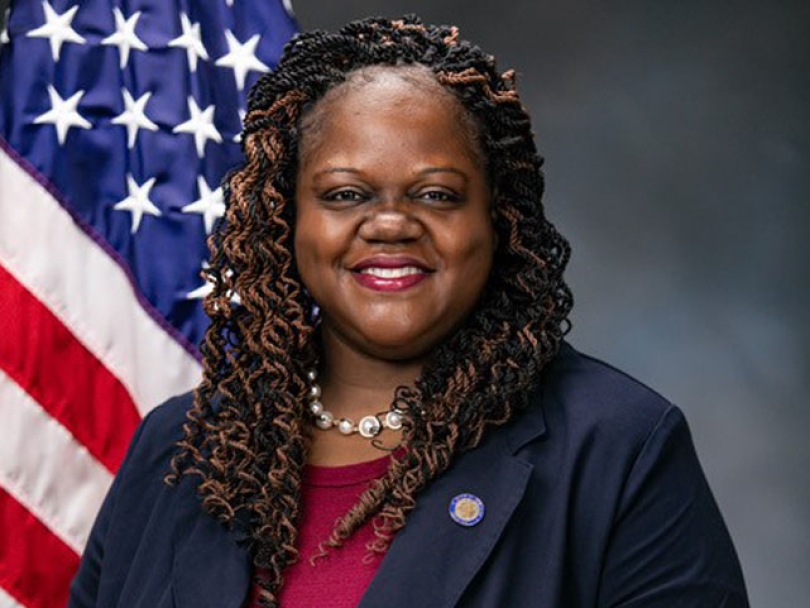
Sen. Lea Webb
Sponsored bills
Relates to establishing minimum standards for payment plans for eligible customers; requires the public service commission to set standards for payment plans for certain customers including reasonableness of agreements and timelines for payment; establishes eligibility.
Authorizes the director of the division of minority and women's business development and the mayor of the city of New York to enter into a memorandum of understanding to allow reciprocity between the state and New York City for businesses that are certified as minority and women-owned business enterprises.
Relates to the administration of reversible progestin-only contraceptive injections; provides that no pharmacist shall administer reversible progestin-only contraceptive injections without receiving training satisfactory to the commissioner of education and the commissioner of health.
Requires contracting agencies to contact minority and women-owned business enterprises when such enterprise is listed on a utilization plan and when a contract is awarded; mandates that the prime contractor use such enterprise identified on the utilization plan, unless such enterprise cannot perform or is no longer state certified.
Maddy summaryThis bill requires election boards to extend voting time at affected polling places or districts if voting is disrupted for over 15 consecutive minutes. If disruptions occur, the board must toll the voting clock during the delay and extend voting time proportionally afterward, or schedule additional voting on the next available day if same-day extension is impractical. The board must also publicly notify voters, candidates, media, and community groups about the extended hours through multiple communication channels. This directly affects voters at disrupted locations, election officials managing polling operations, and candidates needing to coordinate with affected districts.
Requires the director of the division of minority and women's business development in the department of economic development to give additional time for a business enterprise to cure defects in its application for certification or correct defects when a certification is denied, revoked, or changed.
Prohibits the sale of playground surfacing materials that contain PFAS, PAHs or lead; prevents sellers of playground surfacing materials that contain PFAS, PAHs or lead from being held in violation when relying in good faith on a certificate of compliance provided by the manufacturer; provides penalties for violations.
Maddy summaryThis bill increases short-term disability and family leave benefits for eligible New York workers. It phases in higher weekly benefit rates (from 50% to 67% of average weekly wage) and extends maximum benefit periods (from 8-10 weeks to 12 weeks) over time, starting in 2018. These changes apply to employees taking leave for disability or qualifying family care needs under New York's workers' compensation law. The bill requires employers to maintain health benefits during leave and prohibits retaliation for taking leave. The superintendent of financial services may delay benefit increases if needed to maintain program stability.
Requires railroad corporations to inform the division of homeland security and emergency services, department of environmental conservation and department of transportation about freight rail trains transporting hazardous materials prior to traveling on tracks within the state.