

Enacts the "NYS ratepayer protection nuclear moratorium act" under which certain state funds and subsidies are prohibited from being expended for new, reopened or rebuilt closed nuclear power facilities and related entities; creates a nuclear assessment task force.
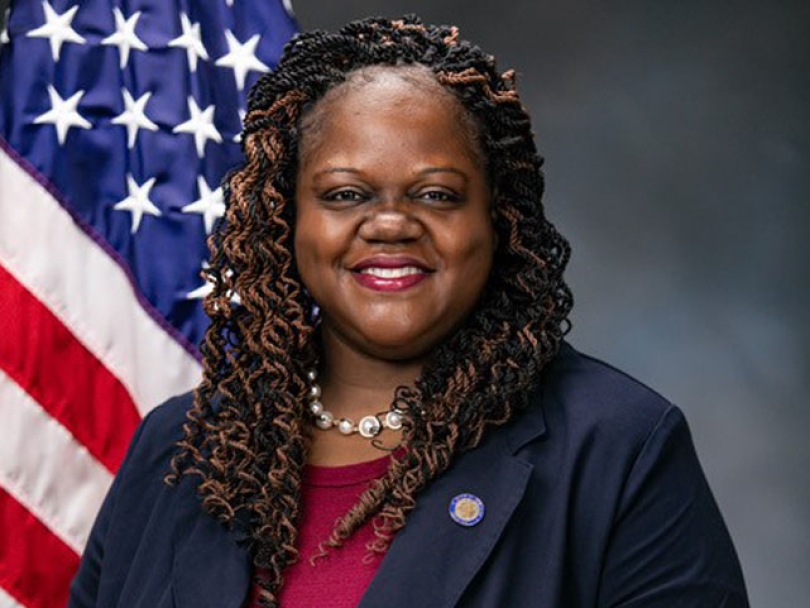
Sen. Lea Webb
Sponsored bills
Enacts "Francesco's law" which establishes violations for the failure to safely store rifles, shotguns, and firearms in the presence of a minor or a prohibited person; requires the office of gun violence prevention to collect and analyze statistical and other information and data with respect to injuries or deaths of minors resulting from failure to safely store a firearm, rifle, or shotgun.
Prohibits gas and electric corporations from recovering labor-related legal costs or workers' compensation loss adjustment expenses from ratepayers through rates, charges, surcharges, adjustment mechanisms, riders, or reconciliation mechanisms; defines labor-related legal activity.
Requires that companies contracting with the state do not contribute to tropical forest degradation or deforestation directly or through their supply chains.
Maddy summaryThis bill mandates a state study to examine how hospitals and birthing centers integrate doula care into maternal health services. It requires the health department to identify existing "doula-friendly" facilities, analyze successful programs in New York and other states, and develop recommendations for standardized practices - such as visitor status for doulas, inclusion in birth processes, and data collection. The study will report findings and best practices to the governor and legislature by December 2027. This bill directly affects healthcare facilities, doulas, and maternal health systems by laying groundwork for potential future policy changes, but does not create new laws or funding.
Requires the establishment of community housing waiting lists within the office of mental health service system; directs each provider of housing services in the office of mental health system to provide, on a monthly basis, the office of mental health with a list of each person referred to, admitted to, applying for, withdrawing an application for and denied admission to housing provided by such provider; requires the community-based agency performing assessments of persons with a documented mental illness to provide the office with the names of such who have been assessed and who meet the eligibility criteria for the array of funded and/or licensed housing programs; requires such office to publish such waiting lists on a monthly basis.
Provides for adult changing tables to be placed within an enclosed restroom facility or other similar private facility that is for use by persons with disabilities who need help with diapering at commercial places of public amusement and state-owned buildings open to the public.
Maddy summaryThis bill increases the membership of the Central New York Regional Transportation Authority from twelve to thirteen voting members. The change requires the governor to appoint one additional member representing transit-dependent individuals, who must be recommended by a transit advocacy organization and appointed with the advice and consent of the Senate. The bill also clarifies appointment procedures for members from Syracuse, Onondaga County, Oneida County, and other participating counties, while maintaining existing term limits and vacancy replacement processes.
Directs the commissioner of DMV to establish a sex trafficking awareness and prevention program to provide education and awareness literature and educational materials to trade schools, community colleges, agencies, public or private schools or persons offering instruction in the operation of commercial motor vehicles with a commercial motor vehicle license and requires applicants for commercial driver's licenses submit a certificate for completion of such program.
Maddy summaryThis bill requires New York's Department of Health to create and maintain a dedicated webpage about menopause within 180 days. The webpage must provide clear information on menopause stages (perimenopause, menopause, postmenopause), treatment options, and associated symptoms or health complications. It directly serves the public - particularly individuals experiencing menopause - by offering accessible, official resources on a state government website. The law mandates specific content categories but does not alter existing healthcare services or funding.