

Maddy summaryThis bill permanently authorizes photo radar cameras to monitor speed violations in highway construction and maintenance work zones on freeways. It increases the maximum number of camera locations from 20 to 40 on controlled-access highways (including the Thruway, where it rises from 10 to 20 locations). The commissioner of transportation and Thruway Authority chair must select sites based on speed data, crash history, and road design, while avoiding exit ramps. The program requires a public hearing and board approval before implementation.
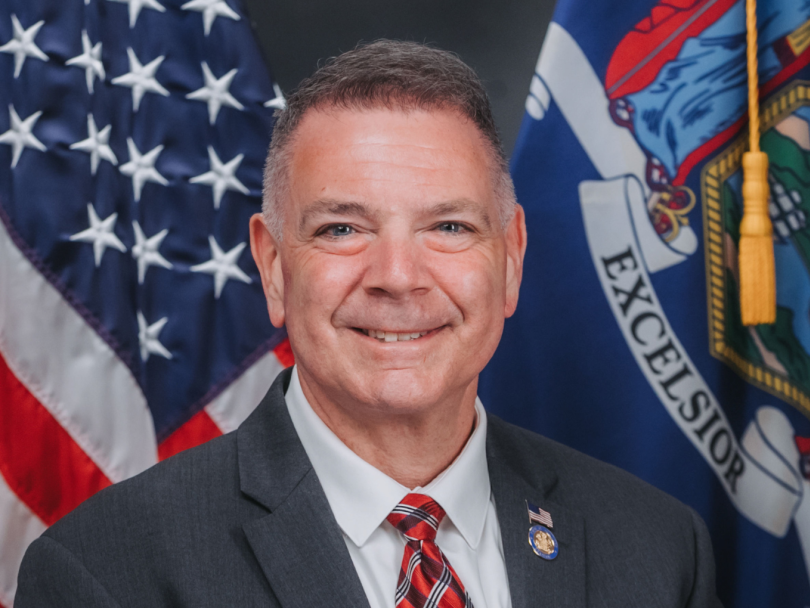
Sen. Steve Rhoads
Sponsored bills
Maddy summaryThis bill (S 1943) expands New York's hate crime definition to include trespassing at religious buildings like churches, synagogues, mosques, or other houses of worship. It directly affects individuals who commit trespass at these locations while targeting someone based on their race, religion, gender identity, or other protected characteristics. The key change amends the penal law to add these locations to the list of places where a hate crime can be charged, raising the offense level if convicted. This creates a specific legal pathway for prosecuting bias-motivated trespass at religious sites.
Relates to environmental quality reviews of housing development projects that propose to build twenty or more units; provides that municipalities shall not be prohibited from performing their own environmental reviews.
Relates to repeat offenders of driving accidents; relates to driving while ability is impaired by drugs; relates to speedy trials and certain vehicular crimes.
Establishes the crime of criminal sale of a controlled substance upon the grounds of a drug or alcohol treatment center, or alcoholics anonymous or narcotics anonymous meeting; designates such crime as a class E felony.
Maddy summaryS 1754 creates a statewide, toll-free hotline for reporting abuse that threatens health or welfare, operating 24/7 and accepting anonymous calls. The hotline must immediately forward reports to relevant agencies, including law enforcement for criminal or emergency situations, and requires the Office of Children and Family Services to establish referral procedures. It also mandates a public education campaign on elder abuse prevention, including hotline information, signs of abuse, and victim resources. The bill affects anyone reporting abuse, local social services, law enforcement, and elder abuse prevention programs. Implementation depends on available funding, as specified in the bill text.
Maddy summaryThis bill clarifies that defendants under electronic location monitoring are not legally considered "confined" or "in custody" for specific legal purposes. It amends the criminal procedure law to explicitly state that such defendants are not deemed "held in custody" for section 180.80 or "committed to the sheriff's custody" under section 170.70. The change directly affects defendants subject to electronic monitoring, altering how their status is defined in legal proceedings. This is a technical adjustment to existing law, ensuring electronic monitoring does not trigger certain custody-related legal requirements.
Provides for a grace period until July 1, 2025, in which former employees of the department of corrections and community supervision that participated in a strike may return to full duty without discipline.
Maddy summaryThis bill creates a $1,000 supplemental payment for New York taxpayers who claim a newborn baby as a dependent on their federal tax return. It directly affects parents or guardians with newborns not previously claimed as dependents, providing the payment for each qualifying child starting in tax year 2026. The payment is issued automatically by the state tax commissioner and treated as an overpayment if it exceeds the taxpayer's state tax bill. The credit applies to newborns born in the current or prior tax year, with payments beginning April 1, 2026.
Prohibits the governor from preventing or inhibiting state agency cooperation with the federal government for the purposes of immigration enforcement; prohibits state agencies from preventing or inhibiting collaboration with federal agencies for the purposes of federal immigration enforcement.