

Maddy summaryThis bill (S 132) prevents town, city, or county industrial development agencies from waiving taxes that would otherwise go to school districts. It prohibits these agencies from entering into agreements that replace tax payments (like "payment in lieu of taxes") or waiving other taxes directly payable to school districts. The law ensures school districts retain all tax revenue that would have been collected from industrial development projects. This directly affects local industrial development agencies and school districts by requiring full tax payments instead of waivers.
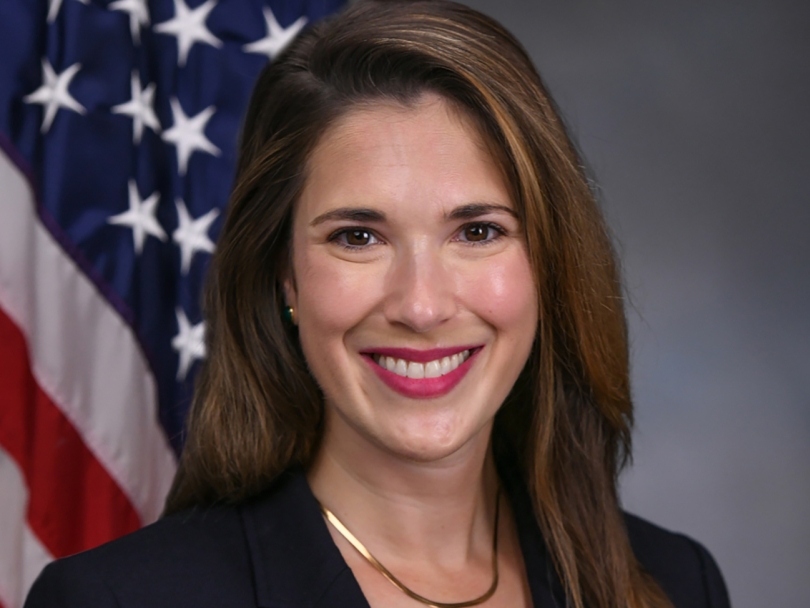
Sen. Michelle Hinchey
Sponsored bills
Relates to parole eligibility for certain incarcerated persons age fifty-five or older if they have served at least fifteen years of their sentence or sentences.
Maddy summaryThis New York state bill (S 141) establishes a right to free legal help for eligible immigrants facing removal proceedings in New York. It directly affects income-eligible non-citizens detained in New York, those with strong New York ties (like being a state resident or having a case heard there), or those transferred from New York to federal immigration detention. The law requires the state to provide ongoing legal representation starting when a case begins (e.g., upon receiving a "Notice to Appear") and covers all immigration court stages, including appeals. Legal services must be provided by state-designated providers to individuals earning up to 200% of the federal poverty level.
Prohibits the use in an industrial plant of any product or substance that contains perfluoroalkyl and polyfluoroalkyl substances, including vats, conveyor belts, molds, ovens, pans, pots, chemicals used as mold releasers, lubricants, seals and coatings.
Maddy summaryThis bill, S 859 (the "robocall prevention act"), limits unsolicited robocalls to New York residents and requires phone companies to provide free call-blocking technology. It bans most robocalls unless made with a resident's prior consent, for emergencies, by labor organizations to members, or as permitted by regulations. Telephone service providers must offer free call mitigation technology that blocks unwanted robocalls while allowing emergency calls to go through. The law directly affects New York residents receiving calls and all telephone service providers operating in the state.
Raises the tax rate on corporate income; increases the state conformity to federal taxation of corporate profit shifting; imposes an additional tax on individual business income in response to federal tax benefits for pass-through business income.
Requires the board of education and the trustees or sole trustee of every school district to establish policies and procedures regarding the treatment of transgender or gender non-conforming students.
Establishes the climate change adaptation cost recovery program to require companies that have contributed significantly to the buildup of climate-warming greenhouse gases in the atmosphere to bear a share of the costs of needed infrastructure investments to adapt to climate change; mandates that projects funded by the program require compliance with prevailing wage requirements; requires that contracts for funded projects contain a provision that the structural iron and structural steel used or supplied in the performance of the contract or any subcontract thereto shall be produced or made in whole or substantial part in the United States, its territories or possessions; makes additional provisions; establishes the climate change adaptation fund.
Removes the lifetime ban on jury duty for convicted felons; provides that if convicted of a felony, such person has completed all sentencing requirements to such conviction, including any required term of imprisonment, probation, or community supervision.
Maddy summaryThis bill establishes a statewide regulatory framework for short-term residential rentals, requiring hosts to register their properties and maintain specific safety standards such as posted evacuation diagrams and fire extinguishers. It mandates that hosts keep detailed records of guest stays for two years and submit annual reports to the state, while also requiring booking platforms like Airbnb to share similar data with local governments. The law allows municipalities to manage their own registration systems if they had existing programs before the bill took effect, but it prohibits booking services from charging fees for unregistered rentals in the state.