

Maddy summaryS 6203 creates two new criminal offenses targeting actions that endanger emergency workers during building-related emergencies. It establishes "reckless endangerment of an emergency service person" as a second-degree felony (class E) when someone violates building codes during an emergency evacuation, impeding egress and causing injury to a firefighter, police officer, code enforcement officer, or other defined emergency personnel. A first-degree felony (class D) applies if the same violation causes death or if the person has a prior conviction for this offense within the last decade. The law directly affects building owners or contractors who alter structures without permits in ways that compromise safety during emergencies, with penalties increasing based on severity.
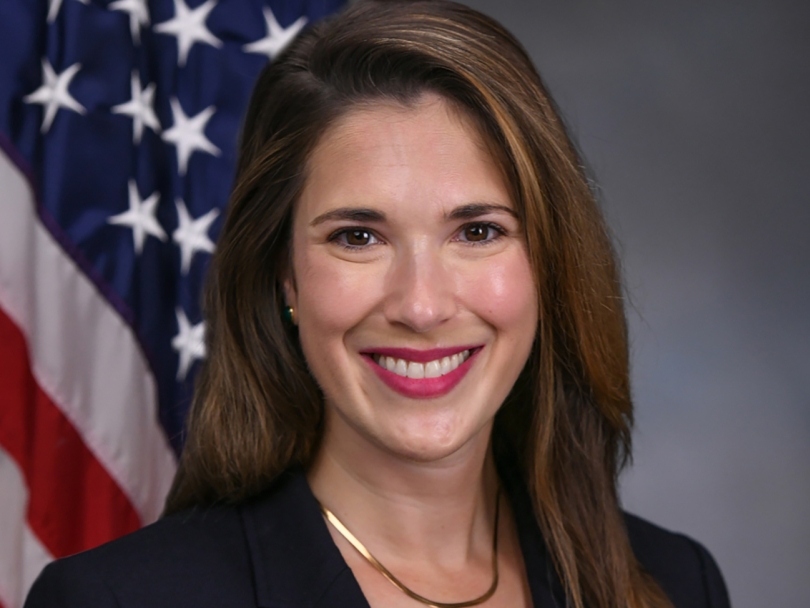
Sen. Michelle Hinchey
Sponsored bills
Maddy summaryS 2715 caps fines for unpaid E-ZPass tolls at the exact amount of the unpaid toll. It directly affects drivers who fail to pay tolls through the E-ZPass system. The bill adds a new law section stating that public authorities cannot issue fines exceeding the unpaid toll amount, preventing excessive penalties. This policy change simplifies enforcement by limiting fines to the toll value itself. (Procedural bill; 3 sentences)
Relates to regulation of PFAS as a toxic air pollutant; requires the department to ensure certain process operations use appropriate control technology for PFAS emissions; establishes a fence line monitoring program to monitor PFAS emissions in disadvantaged communities, to provide public reports, and related duties.
Authorizes retail dispensary licensees, microbusiness licensees and nursery licensees to sell up to three immature cannabis plants per person for personal cultivation; defines immature cannabis plant; directs the cannabis control board to promulgate rules and regulations relating to the sale of immature cannabis plants.
Requires certain public authorities to establish a cashless tolling amnesty program between August first, two thousand twenty-five and December thirty-first, two thousand twenty-five for cashless tolls collected between April twenty-third, two thousand sixteen and June twenty-ninth, two thousand twenty-five.
Relates to creating the veterinarians across rural New York state student loan repayment fund for certain veterinarians that make a two year commitment to practice in a tract or county defined by the health resources and services administration as being "rural" or eligible for a rural health grant.
Maddy summaryThis bill allows pharmacists and registered nurses to dispense emergency contraception without an individual prescription, under a "non-patient specific regimen" ordered by a physician, nurse practitioner, or midwife. It directly affects patients seeking pregnancy prevention, particularly young women, by expanding access through pharmacies and clinics. Key provisions include requiring healthcare providers to give patients written educational materials about usage, follow-up care, and related health risks, while preserving existing professional scopes of practice. The law defines emergency contraception as FDA-approved drugs used after intercourse to prevent pregnancy, clarifying it is not an abortion method.
Maddy summaryThis bill restricts health care employers from requiring nurses or health care workers (excluding doctors, residents, and security staff) to work more than their regularly scheduled hours, except in specific emergencies or during ongoing surgical procedures. It defines "regularly scheduled work hours" to include pre-scheduled on-call time and shift report communication, and prohibits using on-call time as a substitute for mandatory overtime. Exceptions include health care disasters, official emergency declarations, unanticipated staffing emergencies, or procedures requiring continuous presence for patient safety. The law aims to protect patient care quality by limiting excessive work hours, without affecting existing rights under other laws or collective bargaining agreements.
Maddy summaryThis bill, S 2710, changes retirement rules for New York City police officers by reducing the required service time for full retirement benefits from 22 years to 20 years. It specifically applies to members of the New York City Police Pension Fund, allowing them to retire with full benefits after 20 years of service instead of the previous 22-year requirement. The bill amends three sections of the retirement law to update definitions, benefits, and eligibility, ensuring NYC police officers can access normal retirement benefits at the 20-year mark. This is a direct policy change affecting NYC police officers' retirement timelines, with no broader application to other public safety workers.
Relates to paratransit services; directs that an applicant for recertification submit correspondence from a licensed physician in lieu of an in-person assessment.