Excludes from state income tax up to $10,200 of unemployment compensation benefits earned by a resident of the state.
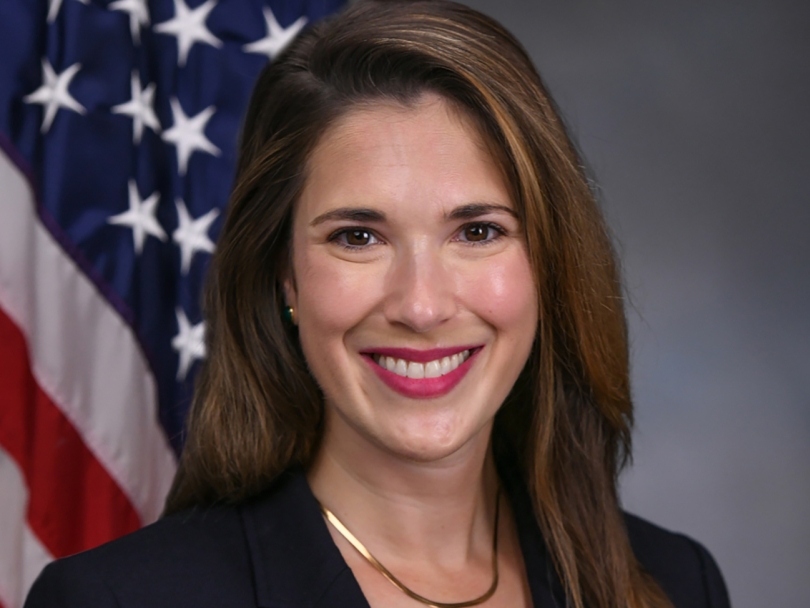
Sen. Michelle Hinchey
Sponsored bills
Removes certain restrictions on eligibility for personal and home care services under medicaid.
Establishes the New York works progress program; provides for the repeal of such provisions upon the expiration thereof.
Enacts the family and fire fighter protection act relating to the regulation of chemicals in upholstered furniture, mattresses and electronic enclosures; bans the use of certain flame retardant chemicals in furniture and mattresses; bans the use of certain flame retardant chemicals in electronic casings.
Provides for state funding to municipalities for early intervention services for toddlers with disabilities and their families.
Authorizes air transport ambulance service providers to store and distribute human blood at all their facilities and distribute human blood and blood products and to initiate and administer transfusions of the same while providing air transport services.
Relates to the canvassing of absentee, military and special ballots and ballots cast in affidavit envelopes.
Provides feminine hygiene products at no cost to menstruating individuals in homeless shelters, including, but not limited to, sanitary napkins, tampons and panty liners.
Requires adult care facilities to include quality improvment committees; includes a focus on infection control in such facilities' quality assurance plans.
Directs the office of the state long-term care ombudsman to advertise and promote the long-term care ombudsman program (Part A); directs the commissioner of health, in consultation with the state long-term care ombudsman and the commissioners of the departments responsible for the license or certification of long-term care facilities, to establish policies and procedures for reporting, by staff and volunteers of the long-term care ombudsman program, issues concerning the health, safety and welfare of residents at long-term care facilities (Part B); includes access to state long-term care ombudsman program staff and volunteers within the pandemic emergency plan prepared by residential health care facilities (Part C).