

Maddy summaryThis bill provides a 10% property tax exemption on primary residences for volunteer firefighters and ambulance workers in Westchester County who meet specific criteria. To qualify, applicants must have served at least five years with an incorporated volunteer fire or ambulance service in the county, reside in the service area, and own their primary home used exclusively for residential purposes. Long-term volunteers with 20+ years of service and those permanently disabled due to duty-related injuries also qualify for the exemption for life or during disability, respectively. The exemption applies to local taxes (city, town, school district, etc.) but does not reduce existing benefits for current recipients.
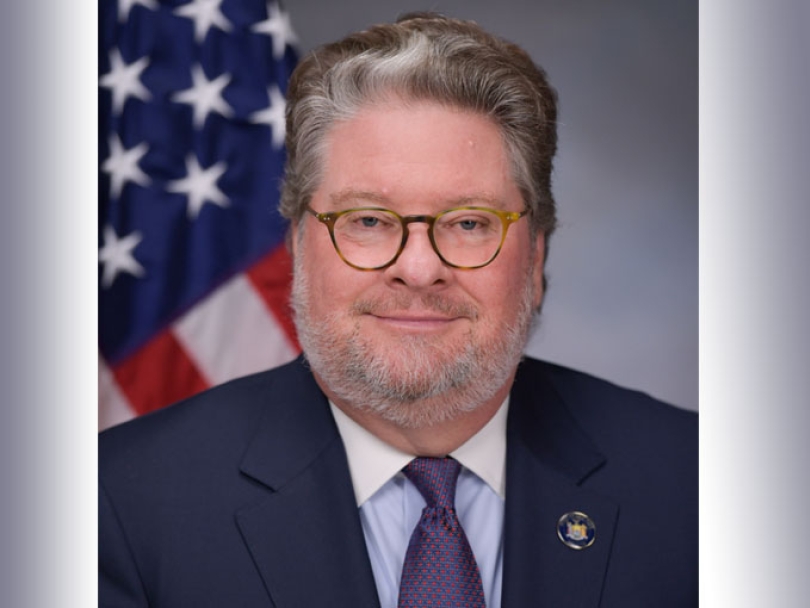
Sen. Pete Harckham
Sponsored bills
Relates to school climate and codes of conduct on school property and disciplinary action following violation of such codes of conduct; makes conforming amendments.
Maddy summaryThis bill exempts breast pumps, breast pump replacement parts, collection supplies, and breast pump kits from sales and use taxes when purchased by individuals for home use during breastfeeding. It specifically covers items like electric or manual pumps, related parts (e.g., shields, tubes), storage bags, and kits containing these products. The law clarifies definitions to ensure only breastfeeding-specific items qualify for the exemption, excluding standard infant bottles or unrelated supplies. This change directly reduces out-of-pocket costs for mothers purchasing these essential lactation products.
Maddy summaryThis bill increases residential solar tax credits by raising the credit rate to 26% of qualified solar equipment costs. It sets new annual credit limits: $3,750 for systems installed before 2026, $5,000 for 2026-2025, and $10,000 for systems installed on or after January 1, 2026. The credit applies to homeowners who install qualifying solar systems (including equipment for heating, cooling, hot water, or electricity) at their primary residence, covering equipment purchases, installation, and certain lease agreements. Low-income taxpayers and those in disadvantaged communities may receive refunds for excess credits starting in 2026, rather than carrying them forward. The policy directly affects residential property owners installing solar energy systems in the state.
Maddy summaryBill S 7617, known as the "Safer Consumption Services Act," allows the Department of Health to approve entities to establish overdose prevention center programs. These programs provide hygienic spaces for individuals to consume preobtained drugs, staffed by healthcare professionals or trained personnel. They offer sterile supplies, overdose prevention education, administer first aid, and provide referrals to substance use disorder treatment and other services. The bill grants immunity from criminal, civil, or administrative penalties to participants, program staff, and property owners solely for their good faith involvement in an approved program.
Prohibits the purchase of single-use plastic products by state agencies, first limiting purchases to be used at any event, briefing, or meeting hosted or sponsored by a state agency in 2030, and a complete prohibition beginning in 2035.
Directs the New York state energy research and development authority to establish a ride clean rebate program for electric assist bicycles and electric scooters; defines terms; provides a fifty percent rebate for eligible purchases.
Provides for distinctive plates for gold star families, including gold star parents, as defined in 10 USC 1126, or children of a gold star parent, and their spouses.
Requires utility companies to reimburse consumers for spoilage of food and medication due to the lack of refrigeration in the event of a power outage lasting seventy-two hours or more.
Provides assistance to incarcerated individuals being released from correctional facilities for enrollment in safety net assistance, public assistance, supplemental assistance program (SNAP), special supplemental nutrition program for women, infants and children (WIC), the home energy assistance program (HEAP), supplemental security income, and state supplemental payments.