

Maddy summaryBill S 8025 aims to enhance the protection of certain water supplies that serve multiple communities, specifically those located in reservoirs or other water bodies within a stream. It achieves this by explicitly classifying these potential inter-municipal water sources and their immediate surrounding areas as "AA," which is the highest water quality standard. The bill also clarifies that these sources are considered "public water supply systems" and must adhere to permit requirements for water withdrawal, including new permits, renewals, and transfers of ownership. These changes directly affect communities and water utilities that rely on these shared water sources.
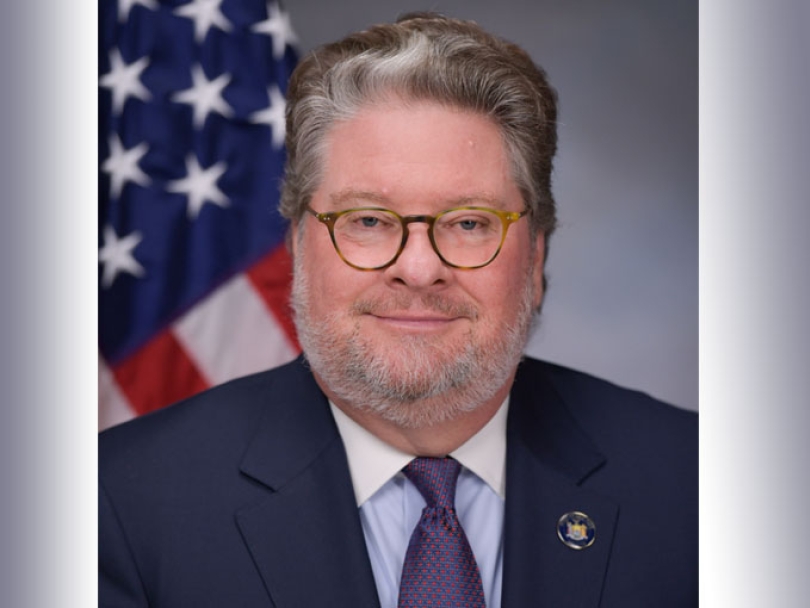
Sen. Pete Harckham
Sponsored bills
Establishes an agrivoltaic production tax credit for farmers who manage a farm operation that is situated wholly or in part within one or more qualified agrivoltaic facilities.
Provides for the regulation of indoor and outdoor worksites with temperature protection standards and education, training and reporting requirements to ensure that employers provide safe conditions for their employees.
Maddy summaryS 3055 exempts innovative septic systems with enhanced treatment technologies - such as advanced nitrogen removal systems - from sales and use taxes. These systems must treat waste at a capacity of no more than 1,000 gallons per day and serve a single residential or small business property. The bill adds this exemption to tax law, specifically targeting systems designed to reduce environmental and public health risks from waste-water interactions. This change directly lowers costs for homeowners and small businesses installing qualifying systems. The bill was referred to the Budget and Revenue committee on January 23, 2025.
Maddy summaryBill S 7021 establishes a new retirement service credit for members of New York State public retirement systems who serve as volunteer firefighters or emergency service providers. Eligible members can receive one year of service credit for every five years of volunteer service, up to a maximum of three years of credit for fifteen years of service. To qualify, members must have at least five years of existing credited service and will pay a portion of the cost, calculated as three percent of their compensation for the twelve months preceding the application. The bill requires volunteer service to be certified by the agency and applications to be submitted before retirement.
Maddy summaryBill S 7964 aims to encourage the cleanup and redevelopment of certain contaminated "Brownfield" sites by offering enhanced tax credits. It increases the maximum tangible property tax credit for projects on these sites, especially for a new category called "qualified project sites." To qualify for these higher incentives, a project must meet several criteria, including being in a city with a population under 100,000, located near public transportation, and incorporating a minimum percentage of affordable housing units. Additionally, these "qualified project sites" must have a total value exceeding $250 million, and remediation construction work on them will be subject to prevailing wage requirements, with an allowance for project labor agreements.
Maddy summaryThis bill (S 4758) changes the legal definition in New York's public health law to explicitly include certain emergency dispatchers and operators as "certified first responders." It adds "public safety dispatchers, emergency responders, emergency operators, emergency complaint operators, and emergency services dispatchers" to the official definition, recognizing their role in providing communication support within police, fire, rescue, and emergency services departments. The change does not create new duties or funding but formally acknowledges these staff as first responders under existing law. The bill was referred to the Health committee on February 12, 2025.
Relates to the delivery of services that are clinical in nature by persons serving in programs under the jurisdiction of the department of mental hygiene, while under a level of supervision by a licensed professional as determined by the appropriate mental hygiene commissioner.
Maddy summaryThis bill requires health insurers to cover at least one opioid antagonist (like naloxone) and related devices in all prescription drug plans. It directly affects insurers, patients at risk of opioid overdose, and healthcare providers who can prescribe these medications via standing orders. The law mandates coverage without eliminating deductibles or co-insurance, which may apply as they do for other covered treatments. Naloxone is specifically named as the primary opioid antagonist to be covered, as defined by the FDA and New York’s Department of Health.
Defines the practice of certified registered nurse anesthetist; requires collaboration with a licensed physician qualified to determine the need for anesthesia services; requires licensing; defines qualifications.