Relates to medically fragile young adults and pediatric specialized nursing facilities; allows for such young adults to remain in such facilities from age twenty-one until age thirty-six.
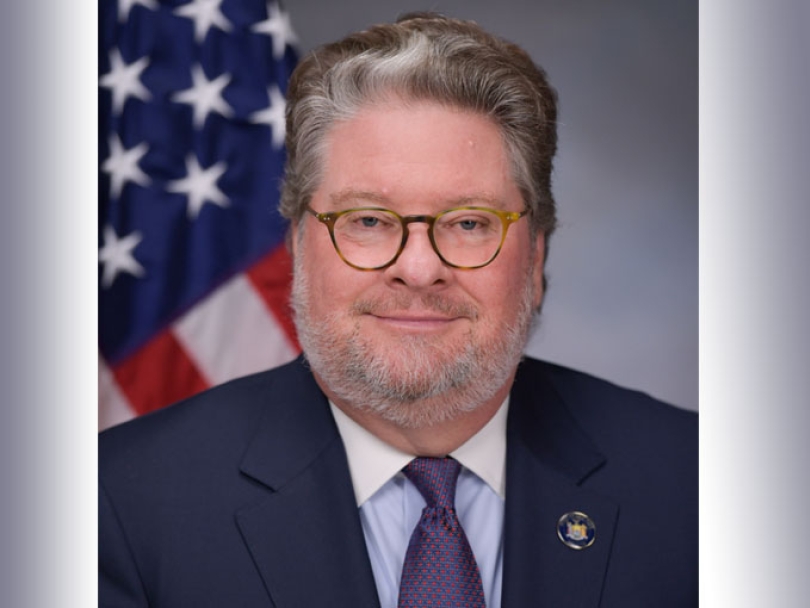
Sen. Pete Harckham
Sponsored bills
Expands the food donation and food scraps recycling program by scaling down the annual average tonnage requirement every two years until 2028; removes exceptions regarding recycler capacity.
Maddy summaryThis bill requires health insurance plans in the state to cover epinephrine auto-injectors, which are devices used to treat life-threatening allergic reactions. It mandates that insurers provide coverage for at least two medically necessary devices per person, ensuring that the total out-of-pocket cost for these items does not exceed $100 annually. The law applies to various types of insurance policies, including major medical plans and group policies, while also accounting for specific federal rules regarding health savings accounts. The changes are set to take effect on January 1, 2026, for all policies issued or renewed on or after that date.
Maddy summaryThis bill expands the state's school violence prevention grant program to specifically fund anti-violence education initiatives. It allows schools to receive money for programs that provide trauma support, counseling, and education for students affected by gun violence, as long as these programs are run by nonprofit organizations and exclude any firearm training. To qualify, the funded programs must set clear goals, outline a timeline, and use specific methods to measure progress in reducing violence. The legislation also broadens the list of eligible safety activities to include safe corridors, diversity programs, and collaborative efforts with law enforcement or community groups.

Directs the commissioner to publicly publish an annual report on the environmental radiation surveillance program and analyze such report showing trends and cumulative impact, as well as notify other relevant agencies if contamination has exceeded EPA standards for maximum amounts of contamination allowed in drinking water or food.
Enacts the "New York wildlife crossing act"; directs the department of transportation and the New York state thruway authority to identify sites along all highways, thruways and parkways in the state where wildlife crossings are most needed to increase public safety and improve habitat connectivity and create a priority list of wildlife opportunity areas where federal grant monies may be available to implement the top five projects identified.
Establishes the position of an insurance liaison on the disaster preparedness commission to be appointed by the governor and serve as a non-voting member.
Ensures that color vision requirements for appointment of police officers are tailored to only eliminate individuals with extreme color vision deficiencies from eligibility; provides methods under which an individual can meet such requirements after failing to meet an initial color vision standard.
Reconvenes the New York state sea level rise task force to review the report and recommendations previously issued by the task force, and to determine the progress made in effectuating such recommendations and what recommendations require additional efforts; develop an updated evaluation of ways of protecting New York's remaining coastal ecosystems and natural habitats, and increasing coastal community resilience in the face of sea level rise, applying the best available science as to sea level rise and its anticipated impacts; and updating previous recommendations and, if appropriate, making new recommendations on sea level rise resiliency.
Prohibits the application of pesticides to certain local freshwater wetlands for local governments that have implemented a freshwater wetlands protection law; provides that any local law or ordinance adopted pursuant to this section shall take effect on the first day of January after it shall have been adopted.