

Provides parity to durable medical equipment providers by requiring Medicaid managed care organizations to reimburse such providers at no less than one hundred percent of the medical assistance durable medical equipment fee schedule for the same service or item.
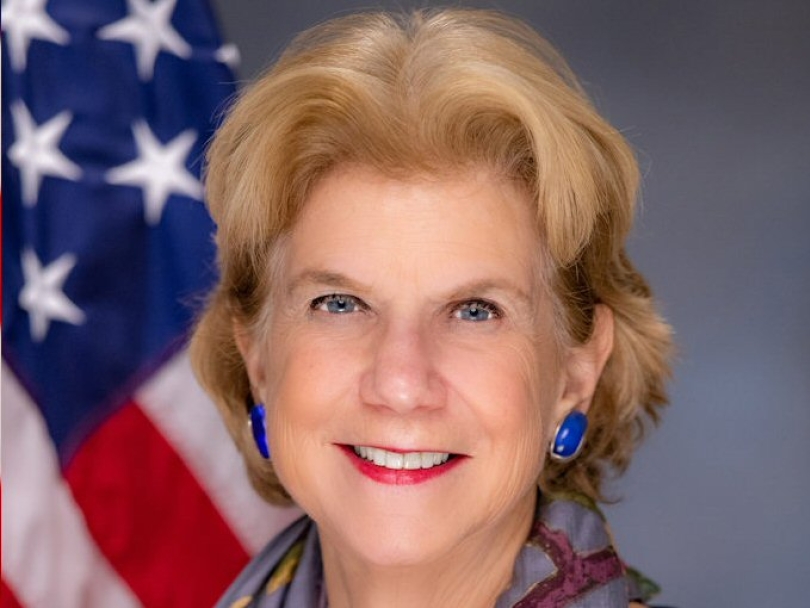
Sen. Shelley Mayer
Sponsored bills
Establishes the NY digital choice act requiring social media companies to provide covered users with a copy of the covered user's social graph at the request of the covered user; defines terms; provides requirements for the interoperability of covered users' data; grants the attorney general the authority to promulgate rules and regulations and enforce such provisions.
Requires utility companies maintain a toll free number for consumers to call to report service outages which shall be made available 24 hours a day, 7 days a week.
Directs the department of health to contract with a qualified entity for a feasibility study and actuarial analysis of long-term services and supports financing and services options.
Maddy summaryThis bill prohibits elected local officials (like mayors, council members, or county officials) from serving as members of most municipal agencies or industrial development authorities. It repeals existing language and adds that no agency member can hold such elected office, with exceptions for the Troy and Auburn industrial development authorities, which already have specific rules allowing elected officials to serve. The law also requires agencies to replace members who become ineligible due to this rule once their current term ends. This affects how local governments staff these boards but does not change the structure of the Troy or Auburn agencies themselves.
Prohibits insurance carriers and employers from withholding certain benefits from injured workers based on a claim that such workers have voluntarily withdrawn from the labor market by not seeking alternate employment that their injury or illness does not preclude them from performing.
Maddy summaryThis bill creates a new legal framework for anti-stalking orders to protect victims from repeated, severe harassment. It directly affects stalking victims (petitioners) and alleged stalkers (respondents) by establishing specific court procedures for obtaining protective orders. Key provisions require courts to issue orders prohibiting contact (including digital communication), surveillance, remote control of connected devices (like smart home systems), and proximity to victims' homes or workplaces. The law defines "stalking" broadly to include numerous offenses under existing penal codes, such as harassment, assault, and unauthorized sharing of intimate images. These orders can be issued quickly without notice for immediate threats, with final orders requiring a court hearing.
Maddy summaryThis bill requires election boards to extend voting time at affected polling places or districts if voting is disrupted for over 15 consecutive minutes. If disruptions occur, the board must toll the voting clock during the delay and extend voting time proportionally afterward, or schedule additional voting on the next available day if same-day extension is impractical. The board must also publicly notify voters, candidates, media, and community groups about the extended hours through multiple communication channels. This directly affects voters at disrupted locations, election officials managing polling operations, and candidates needing to coordinate with affected districts.
Prohibits the sale of playground surfacing materials that contain PFAS, PAHs or lead; prevents sellers of playground surfacing materials that contain PFAS, PAHs or lead from being held in violation when relying in good faith on a certificate of compliance provided by the manufacturer; provides penalties for violations.
Maddy summaryThis bill increases short-term disability and family leave benefits for eligible New York workers. It phases in higher weekly benefit rates (from 50% to 67% of average weekly wage) and extends maximum benefit periods (from 8-10 weeks to 12 weeks) over time, starting in 2018. These changes apply to employees taking leave for disability or qualifying family care needs under New York's workers' compensation law. The bill requires employers to maintain health benefits during leave and prohibits retaliation for taking leave. The superintendent of financial services may delay benefit increases if needed to maintain program stability.