

Maddy summaryThis resolution requests Governor Kathy Hochul to proclaim May 3-9, 2026, as Correctional Officers and Employees Week in New York, honoring the state's approximately 16,178 correctional officers and employees who oversee over 31,329 inmates in state facilities. It aligns with federal recognition of "National Correctional Officers and Employees Week" established in 1996 and emphasizes the dangerous nature of their work. The resolution does not create new laws or policies but serves as a symbolic tribute to these personnel through a gubernatorial proclamation.
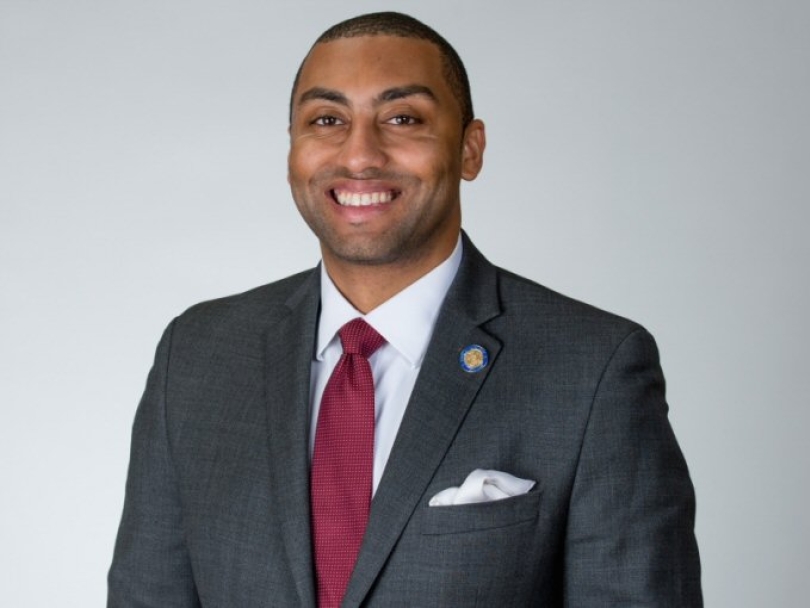
Sen. Jamaal Bailey
Sponsored bills
Maddy summarySenate Resolution J 1293 commends Armando and Shayla Gramajo for receiving New York State's Liberty Medal, the Senate's highest honor for individuals. The resolution recognizes their 2024 actions when they intervened to save a woman attacked with a knife in White Plains - Armando (a bus driver and former Guatemalan Army veteran) stopped the attacker, and Shayla (a physician's assistant) provided medical aid using household items until emergency services arrived. This symbolic resolution, passed by the New York State Senate, formally honors their humanitarian act and does not create new laws or affect any policies. It serves as a ceremonial tribute to their spontaneous, life-saving response.
Maddy summaryThis bill changes the date of New York's presidential primary from the current June election to the first Tuesday in March (commonly known as Super Tuesday). It directly affects voters and candidates participating in the state's presidential nominating process by moving the primary earlier in the election cycle. The bill amends election law to replace the existing June primary date with a March date specifically for selecting presidential delegates, while keeping other primary elections (like for state offices) on their current schedule. This is a procedural adjustment to election timing, not a substantive policy change.
Relates to filling the void left by the expansive and overbroad applicability of the qualified immunity doctrine that operates as a near absolute shield to civil liability for public officials and ensures that state officials are justly held accountable for violating an individual's rights, privileges and immunities under state law.
Maddy summaryThis bill (S 4262) increases pension benefits for New York City Police Department (NYPD) detectives, sergeants, and lieutenants who retire after meeting specific service thresholds. It adds 5% (for 25 years of service), 10% (for 30 years), or 15% (for 35 years) of the highest pay grade for their rank to their pension calculation, based on their final salary. The increase replaces any other pension adjustment under a separate provision (section 14-111). This directly affects NYPD officers retiring in these ranks with the required service years, providing a concrete, higher pension calculation.
Maddy summaryS 103, the "New York Religious Freedom Act," prohibits state and local agencies and law enforcement from collecting, sharing, or using personally identifiable information about individuals' religious beliefs, practices, or affiliations for government databases related to law enforcement or immigration. It specifically bans using public funds or resources to create or enforce such databases and restricts sharing religious data with federal authorities, except in limited cases like targeted criminal investigations with a clear link to the crime or for providing religious accommodations. The law also terminates existing agreements that conflict with these restrictions and clarifies that agencies may still share citizenship or immigration status information as permitted under federal law. This directly affects all New York state and local government agencies handling personal data.
Maddy summaryThis bill creates a New York state tax credit for employers who hire formerly incarcerated individuals on probation or parole. Employers receive a 35% credit against state taxes for the first $6,000 in wages paid to qualifying employees during their first year of employment. To qualify, an employee must have a felony conviction, be on probation or parole, and work full-time for at least 180 days. The credit coordinates with the federal Work Opportunity Tax Credit, using second-year wages for employees who also qualify for the federal program. The policy directly affects New York employers and formerly incarcerated individuals seeking stable employment.
Authorizes insurance policies which provide coverage for prescription drugs where cost-sharing obligations are determined by category of prescription drugs to offer a program to insureds that utilizes rebates or discounts to lower an insured's cost-sharing for prescription drugs if the insured's cost-sharing under such program would be more favorable than the cost-sharing that would otherwise be applicable to the prescription drug.
Includes permissible payment methods, advance consent for direct payments, and annually providing the updated rate schedule as required terms for certain insurance contracts.
Establishes the New York baby opportunity fund which deposits $1,000 into an account managed by the state comptroller to be available to eligible children when they reach the age of 18; provides such funds be used for education costs, the purchase of real estate, or entrepreneurship.