

Maddy summaryThis bill (S 4540) amends New York's penal law to clarify that consent for sexual contact must be a "knowing, voluntary, and mutual decision among all participants," defined through clear words or actions showing ongoing permission. It specifies that consent is absent when there is forcible compulsion, incapacity, or when a victim clearly expresses lack of consent (e.g., verbal withdrawal or non-agreement under reasonable circumstances). The law directly affects how sexual assault cases are legally evaluated, particularly in defining rape, sexual abuse, and forcible touching offenses. The amendment takes effect 30 days after enactment.
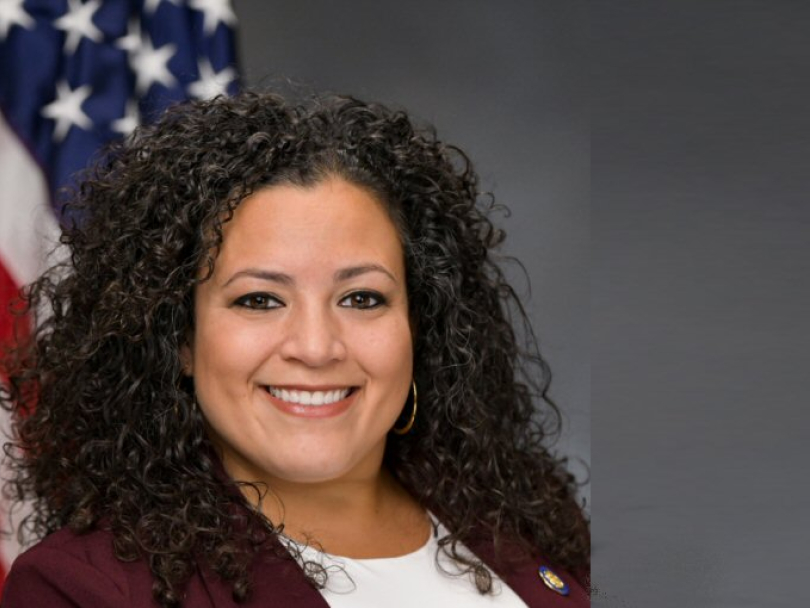
Sen. Nathalia Fernández
Sponsored bills
Enacts the "child survivor privacy act"; provides protections for child victims and child witnesses; restricts information to the public regarding a child witness or child victim's identity or proceeding; defines child witness; provides that whenever practical, the same prosecutor, advocate, and/or social worker shall handle all aspects of a case involving an alleged child victim.
Relates to parole eligibility for crimes committed at age twenty-one or younger; provides if such individual is convicted of a crime prior to their twenty-second birthday for which they were sentenced to a period of incarceration greater than 20 years, they shall be eligible for parole after fifteen years of incarceration.
Maddy summaryS 1439 (New York) imposes a new tax on investment income from long-term capital gains, dividends, and other low-taxed federal income types. It directly affects high-income New York residents with significant investment earnings, targeting individuals and estates with taxable income above specific thresholds. The bill adds a 7.5% tax on long-term capital gains above $400,000-$500,000 (depending on filing status), gradually increasing to 15% above $800,000-$1 million. This tax phases in over defined income ranges and is administered like existing state income tax. The bill is currently referred to the Budget and Revenue committee.
Aligns utility regulation with state climate justice and emission reduction targets; provides for a statewide affordable gas transition plan and utility home energy affordable transition programs; repeals provisions relating to continuation of gas service; repeals provisions relating to the sale of indigenous natural gas for generation of electricity.
Maddy summaryThis bill (S 5019) expands eligibility for early sentence termination by making **all felony convictions** eligible for discharge, removing prior restrictions that excluded certain felonies under New York's Penal Law. It directly affects individuals serving felony sentences under community supervision who have completed **three consecutive years** without revocation. The parole board may grant discharge if it determines this is in society's best interest, provided the person has made a good-faith effort to pay restitution, fees, and surcharges. The discharge ends the sentence entirely for the affected offense, with no automatic eligibility. This changes the current law by removing exclusions for specific felony types.
Establishes the COVID-19 pandemic response study commission to conduct a study of the state's response to the COVID-19 pandemic; provides for the repeal of such commission upon the completion of the commission's final report.
Maddy summaryS 2715 caps fines for unpaid E-ZPass tolls at the exact amount of the unpaid toll. It directly affects drivers who fail to pay tolls through the E-ZPass system. The bill adds a new law section stating that public authorities cannot issue fines exceeding the unpaid toll amount, preventing excessive penalties. This policy change simplifies enforcement by limiting fines to the toll value itself. (Procedural bill; 3 sentences)
Relates to regulation of PFAS as a toxic air pollutant; requires the department to ensure certain process operations use appropriate control technology for PFAS emissions; establishes a fence line monitoring program to monitor PFAS emissions in disadvantaged communities, to provide public reports, and related duties.
Maddy summarySenate Bill S 491 expands the definition of unlawful discriminatory practice in public accommodations. It specifically includes the wearing of religious attire, clothing, or facial hair in accordance with a person's religion under the protected characteristic of "creed." This means that owners, managers, or employees of public places cannot refuse services or deny accommodations to individuals based on these religious practices.