

Establishes a statewide person-centered mental health services work group to improve statewide mental health planning and outcomes to achieve a person-centered, prevention-first integrated and tiered system of care for holistic health and wellness.
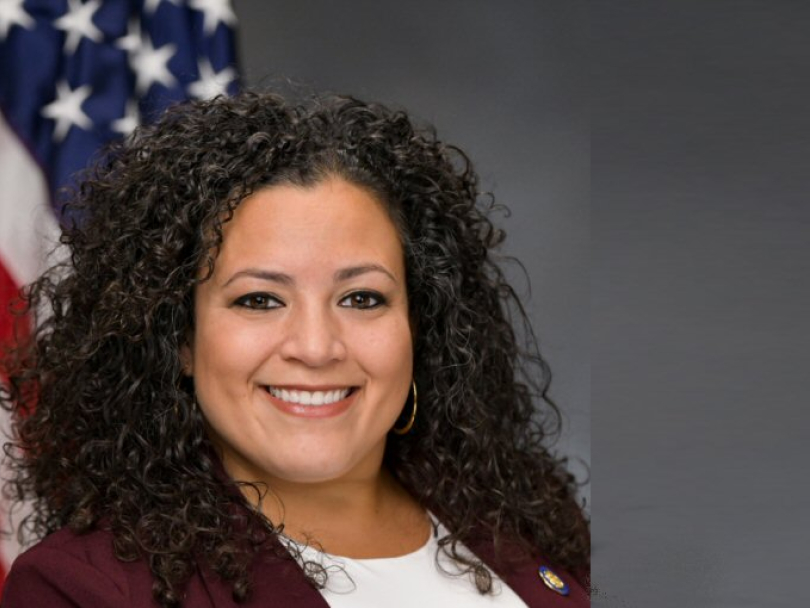
Sen. Nathalia Fernández
Sponsored bills
Maddy summaryThis bill raises the income threshold for senior citizens (62+) and disabled residents to qualify for real property tax abatements. It increases the maximum allowable household income from $50,000 to $75,000 per year, effective July 1, 2025. The change directly affects seniors and disabled residents whose combined household income would previously have disqualified them from tax relief. The policy update modifies existing tax law provisions to adjust these eligibility limits annually. This is a concrete policy change to expand access to tax relief for low-to-moderate income households.
Establishes the teachers' fossil fuel divestment act; requires the New York state teachers' retirement system to divest the retirement system of any stocks, securities, equities, assets, or other obligations of corporations or companies included on an exclusion list of coal producers and oil and gas producers.
Deems individuals facing criminal charges as being incapable of consent when the actor is a police officer, peace officer or other law enforcement agent who knows or reasonably should know that such person is facing pending charges unless such person is a member of the same family or household as such police officer, peace officer or other law enforcement agent.
Maddy summaryThis bill requires New York real estate brokers and salespersons to complete two hours of sexual harassment prevention training every two years as part of their license renewal process. Specifically, licensees must complete one hour during each of the two consecutive 12-month periods before renewal, with training content meeting standards set in New York Labor Law. The requirement applies to all licensed professionals renewing their licenses and is separate from existing continuing education mandates. It directly affects licensed real estate professionals in New York who must affirm compliance when renewing their licenses. The training must be completed in two separate sessions within the two-year renewal cycle.
Maddy summaryThis bill requires Metro-North and Long Island Rail Road (LIRR) companies to waive sovereign immunity for any legal claims against them in New York courts. It mandates that these railroads comply with key federal railroad laws, including the Railway Labor Act, Federal Employers Liability Act, and safety regulations. The waiver applies retroactively to all ongoing lawsuits involving these railroads. The bill directly affects employees who could pursue legal claims against Metro-North or LIRR under these federal protections.
Relates to the regulation of municipal shooting ranges, including limiting the hours of operation and addressing noise pollution; directs the department of health to conduct a study describing the contaminants and other pollutants in the ground and water bodies adjacent to certain shooting ranges.
Relates to requiring the establishment of utility customer arrears reporting; requires utilities to report to the public service commission on customers who are in arrears.
Maddy summaryThis bill requires New York State to establish episodic payments (a payment system based on specific care episodes rather than per visit) as the standard method for reimbursing certified home health agencies starting October 1, 2025. It directly affects Medicaid managed care plans, child health insurance plans, and Essential Health Plans operating in New York by mandating they use this payment system and ensure access to home health services for enrolled members. The law requires the state commissioner to notify these plans annually about their responsibilities, emphasizing that home health services reduce avoidable hospital costs. Plans may still negotiate alternative payment rates with agencies, including value-based options tied to health outcomes.
Prohibits governmental entities from entering into agreements to house individuals in immigration detention facilities; requires governmental entities to terminate existing contracts for the detention of individuals in immigration detention facilities.