

Maddy summaryThis bill creates a New York State 1332 innovation program under a federal waiver, providing health insurance coverage for New Yorkers under age 65 with household incomes between 133% and 250% of the federal poverty level who don't qualify for Medicaid or employer-sponsored insurance. It requires coverage for essential health services, including access to cancer centers (at Medicaid reimbursement rates), dental, vision, and support for chronic illnesses. Eligibility excludes those eligible for Medicaid, the Child Health Insurance Program, or affordable employer coverage. The program is subject to federal approval and aims to fill coverage gaps for this specific income group.
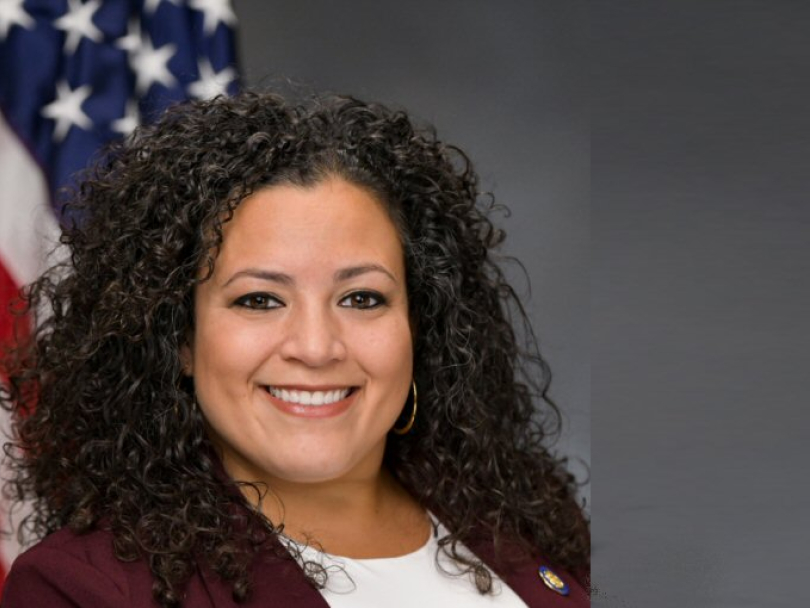
Sen. Nathalia Fernández
Sponsored bills
Sets reimbursement rates for essential safety net hospitals at no less than regional average commercial rates for health care services provided by all hospitals in the same geographic region.
Imposes an excise tax on the sale of ammunition to be deposited into the firearm violence intervention fund to help victims of and witnesses to violence.
Prohibits the diminution of health insurance benefits of public employee retirees and their dependents or reducing the employer's contributions for such insurance; defines employers to include the state, municipalities, school districts, and public authorities and commissions.
Withholds the governor's salary until the legislative passage of the budget occurs; provides such salary should be withheld if the budget has not passed prior to the first day of the fiscal year and shall not be paid until such passage occurs.
Enacts the "Stop Addictive Feeds Exploitation (SAFE) for all act"; requires a setting which allows a social media user to turn off algorithmic recommendations and other notifications; prohibits the use of dark patterns to subvert choice or inhibit users from accessing certain mechanisms.
Repeals the rebates for stock transfer tax paid; dedicates funds of the stock transfer tax fund and stock transfer incentive fund to various funds; establishes the safe water and infrastructure action program.
Maddy summaryBill S 1189 establishes new licensure requirements for entities providing fiscal intermediary services for personal assistance programs. Beginning April 1, 2027, these fiscal intermediaries must obtain a license from the commissioner, a process that includes an application fee and an assessment of their character, competence, and compliance. The bill also broadens the definition of fiscal intermediaries, modifies their annual reporting obligations, and creates a confidential state registry for personal assistants that these intermediaries must maintain. This legislation directly affects fiscal intermediaries, personal assistants, and consumers utilizing these services.
Maddy summaryThis bill establishes a new progressive income tax structure for high earners in New York, replacing current tax brackets. It directly affects New York residents with significant taxable income, particularly those earning above $17,000 annually for single filers (with higher thresholds for married couples). The key mechanism uses tiered tax rates that increase as income rises - starting at 4% for lower incomes and reaching up to 24% for earnings over $20 million. The bill amends existing tax law to implement these rates, which apply to taxable years beginning in 2023 through 2027 and will be adjusted for 2028 onward.
Maddy summaryS 7030 amends New York's insurance law to expand the legal definition of "infertility" to explicitly include individuals in same-sex relationships. This change directly affects same-sex couples seeking insurance coverage for infertility treatments, as the updated definition now recognizes their circumstances under the same medical criteria used for heterosexual couples. The key provision adds "or be in a same-sex relationship" to the existing definition, which previously focused on heterosexual conception attempts. The bill does not create new benefits but adjusts how infertility is defined for insurance purposes, aligning the legal standard with current medical practice. It became law immediately upon enactment.