Directs the commissioner of health to provide authorizations to all fiscal intermediaries that timely submit a request for authorization prior to January 1, 2026; details information required for such authorizations; makes related provisions.
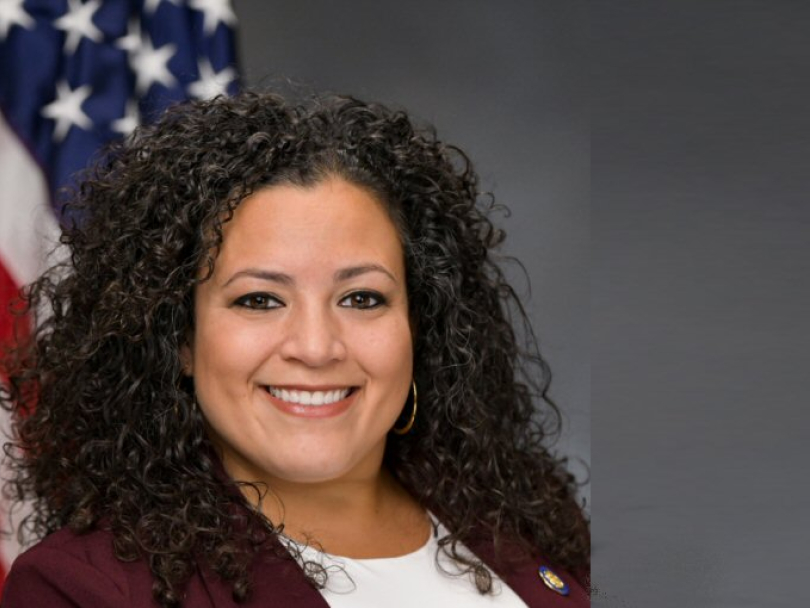
Sen. Nathalia Fernández
Sponsored bills
Relates to establishing the COVID-19 children scholarship; provides that children whose parent, primary caretaker or sibling died or was disabled as a result of contracting COVID-19 shall be eligible for such scholarship.
Maddy summarySenate Bill S 7954 amends the requirements for organizations providing fiscal intermediary services in the Consumer Directed Personal Assistance Program. It expands the definition of "fiscal intermediary" to include more entities, such as certain service centers for independent living, granting them equal status to the statewide fiscal intermediary. These newly defined fiscal intermediaries can contract directly with managed care plans and must provide culturally and linguistically competent services. The bill also removes the specific procurement process for a single statewide fiscal intermediary, aiming to offer consumers more choice in these services.
Maddy summaryS 377 requires New York's six human services agencies (mental health, developmental disabilities, addiction services, disability assistance, children's services, and aging) to adjust funding rates annually starting April 1, 2025, based on inflation. The adjustment uses the U.S. Bureau of Labor Statistics' Consumer Price Index (CPI-U) to ensure reimbursement rates for covered programs keep pace with rising costs. It applies to specific services like mental health clinics, developmental disability supports, addiction treatment, and disability assistance programs, replacing all other cost-of-living increases for these services. The bill aims to maintain stable funding for service providers without requiring new legislative action each year.
Maddy summaryThis bill limits home care aides to 12-hour shifts without their explicit consent. It prohibits employers from requiring overtime beyond this limit, and any agreement for longer shifts must be voluntarily provided in writing for each specific instance. The law protects aides from retaliation, including dismissal or penalties, for refusing excessive hours or reporting violations. Exceptions only apply during true emergencies after exhausting all staffing options, and even then, overtime cannot exceed four hours without consent.
Maddy summaryThis bill establishes formal standards for addiction professionals in New York by defining the term "addiction professional" and creating minimum qualifications for the role. It requires the Office of Addiction Services and Supports to set training standards - including trauma-informed care, co-occurring disorder referrals, and sensitivity training - and oversee licensing, credentialing, and authorization processes for professionals. The law directly affects addiction counselors, treatment providers, and the state office, mandating that all licensed professionals meet these updated standards to ensure quality care and protect patient rights, including access based on gender identity. It also creates an addiction professionals board to advise on credentialing procedures and fees.

Enacts the overdose prevention and recovery act; directs that at least twenty percent of funds from the opioid stewardship fund shall be invested in recovery services and supports; requires an annual report to the legislature regarding funds distributed from the opioid stewardship fund; makes the opioid stewardship fund permanent.
Relates to requiring coverage for volunteer firefighters for full cancer screenings upon entry of service to a fire department or fire company and annually thereafter; provides that the costs of such screenings shall be covered by the state.
Prohibits provisions in any waiver, settlement, agreement or other resolution of any claim where the foundation for which is an alleged violation of the labor law or article fifteen of the executive law, that prevent the disclosure of the employee's workplace experience with the employer.
Establishes the universal child care act to provide for the establishment and funding of universal child care in the state of New York; establishes a universal child care taskforce to help implement universal child care in the state and repeals certain provisions of the social services law relating thereto; establishes the permanent child care workforce pay equity fund; establishes a universal child care public option pilot program to provide universal child care in at least twenty locations throughout the state; makes an appropriation therefor.