

Maddy summaryThis bill changes the date of New York's presidential primary from the current June election to the first Tuesday in March (commonly known as Super Tuesday). It directly affects voters and candidates participating in the state's presidential nominating process by moving the primary earlier in the election cycle. The bill amends election law to replace the existing June primary date with a March date specifically for selecting presidential delegates, while keeping other primary elections (like for state offices) on their current schedule. This is a procedural adjustment to election timing, not a substantive policy change.
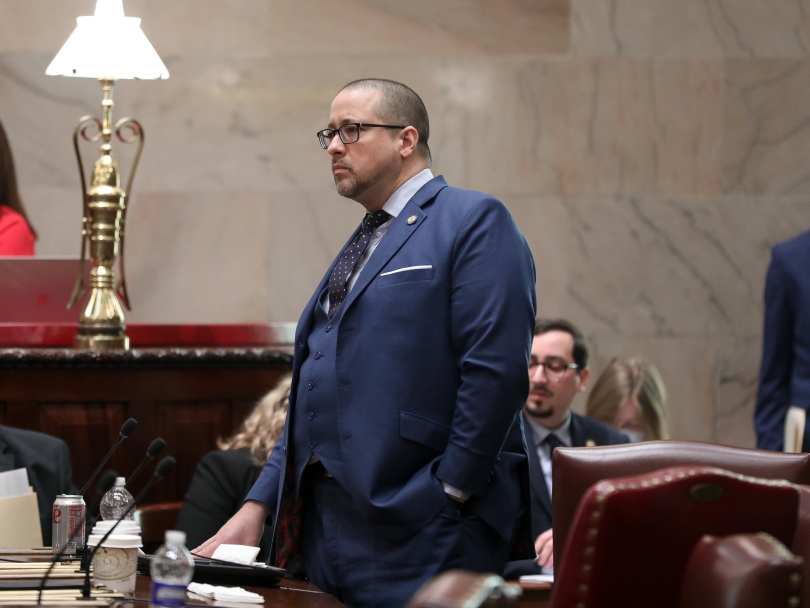
Sen. Gustavo Rivera
Sponsored bills
Maddy summaryThis bill requires election commissioners and key election board staff to complete mandatory training. New appointees must finish a 30-hour initial course within six months of starting their role, and all staff must complete a three-hour annual refresher by June 1 each year. The state board of elections designs and delivers all training, including web-based options for annual sessions. Failure to complete training triggers written notice to county legislators, city councils, and local party chairs. The law affects all county election boards and their designated staff responsible for election operations.
Maddy summaryS 1085 prohibits spreading false information that prevents voting (like fake election times or eligibility rules) and bans using force or threats to stop people from voting as they choose. It applies to candidates, campaigns, and organizations that intentionally share deceptive election details or suppress voter rights. Violations are misdemeanors (up to one year in jail or $500 fines for first offenses), with increased penalties for repeat violations. The attorney general can prosecute these offenses alongside local prosecutors.
Maddy summaryThis bill prohibits foreign-influenced businesses from spending money on New York state or local elections. It defines "foreign-influenced" as businesses where foreign owners hold 1% or more of equity (or 5% for multiple owners), or where foreign entities control political decisions. Businesses making political contributions must certify they aren’t foreign-influenced and provide this certification to election committees. Violations carry felony charges and civil penalties up to $10,000 per violation.
Provides that a voter may register to vote at any residence to which the voter maintains a continuous connection with an intent to remain, including a second home or a vacation home or a home where a student lives while attending a college or university.
Requires the creation of an immigration enforcement activity transparency dashboard, which shall be made publicly available, to track certain information relating to immigration authorities activities within New York state.
Maddy summaryS 8596 prohibits civil arrests (such as for debt collection) of voters while they are traveling to, at, or returning from polling places in New York, directly affecting voters during election activities. The bill requires law enforcement to obtain a judicial warrant for any arrest in these situations and mandates that officers identify themselves and provide warrants to polling staff if entering a polling place. It also creates reporting requirements for law enforcement actions near polls and allows voters to sue for violations, with courts empowered to issue protective orders.
Imposes a commercial vacancy tax on vacant or abandoned commercial storefronts located in a city with a population of one million or more of one percent of the assessed value of the property.
Relates to filling the void left by the expansive and overbroad applicability of the qualified immunity doctrine that operates as a near absolute shield to civil liability for public officials and ensures that state officials are justly held accountable for violating an individual's rights, privileges and immunities under state law.
Maddy summaryS 103, the "New York Religious Freedom Act," prohibits state and local agencies and law enforcement from collecting, sharing, or using personally identifiable information about individuals' religious beliefs, practices, or affiliations for government databases related to law enforcement or immigration. It specifically bans using public funds or resources to create or enforce such databases and restricts sharing religious data with federal authorities, except in limited cases like targeted criminal investigations with a clear link to the crime or for providing religious accommodations. The law also terminates existing agreements that conflict with these restrictions and clarifies that agencies may still share citizenship or immigration status information as permitted under federal law. This directly affects all New York state and local government agencies handling personal data.