

Enacts the "Livable New York act" to fight back against climate change, provide additional affordable housing and provide employment opportunities for formerly incarcerated individuals; makes a three billion dollar appropriation therefor.
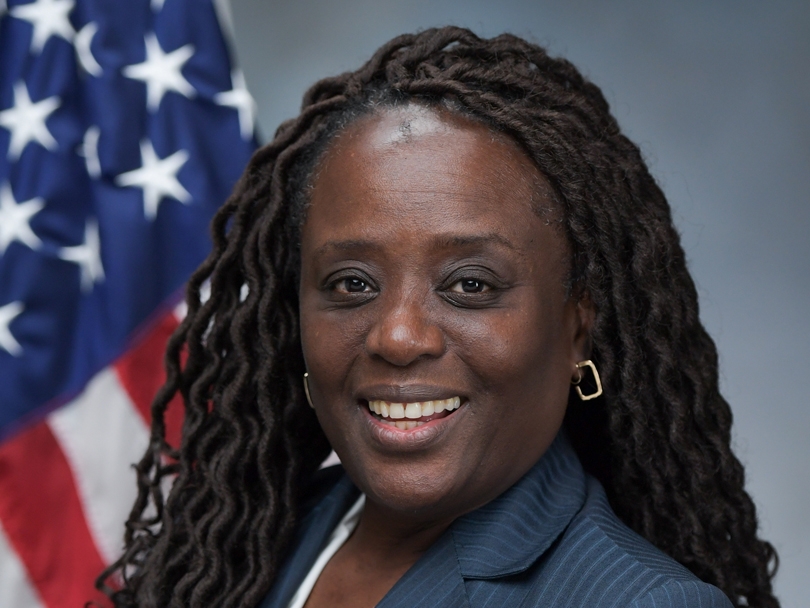
Sen. Cordell Cleare
Sponsored bills
Requires electric companies to provide alternative measures to ensure customers with documented need for essential electricity for medical needs have access to electricity during power outages; requires electric companies to provide generators or lodging for such individuals and transportation for medical devices.
Maddy summaryThis bill prohibits mobile sports betting operators (like DraftKings or FanDuel) from sending push notifications or text messages that solicit wagers or deposits, even when the betting app is closed. It directly affects these operators by banning unsolicited notifications that could trigger impulsive betting. The key provision requires operators to stop sending automatic alerts prompting users to engage with betting platforms, aiming to reduce constant exposure that risks addiction. The law applies statewide to all mobile sports wagering platforms operating in New York, effective immediately upon enactment.
Maddy summaryThis bill increases residential solar tax credits by raising the credit rate to 26% of qualified solar equipment costs. It sets new annual credit limits: $3,750 for systems installed before 2026, $5,000 for 2026-2025, and $10,000 for systems installed on or after January 1, 2026. The credit applies to homeowners who install qualifying solar systems (including equipment for heating, cooling, hot water, or electricity) at their primary residence, covering equipment purchases, installation, and certain lease agreements. Low-income taxpayers and those in disadvantaged communities may receive refunds for excess credits starting in 2026, rather than carrying them forward. The policy directly affects residential property owners installing solar energy systems in the state.
Requires each school district to provide interventions and special curricula for children with dyslexia or other phonological learning differences or disabilities.
Relates to establishing an early intervention loan repayment program; provides funding is to be awarded regionally with 50% percent awarded to providers with a principal residence within NYC and the remaining fifty percent awarded to providers outside of NYC; provides that awards shall be given to providers who work in underserved areas for 3 consecutive years; provides loans shall be paid over a 3 year period; provides that a working group shall be established within 90 days to develop plans for the streamlined loan repayment program application process.
Requires the department of corrections and community supervision to publicly post the name, identifying information and a summary incident report after the death of an individual in the custody of the department.
Mandates that any article of merchandise advertised, and not available throughout advertised period, must be supplied at advertised price by seller within sixty days from the date the purchaser of such article is notified of its availability; specifies terms of raincheck and limited exceptions.
Maddy summaryBill S 7617, known as the "Safer Consumption Services Act," allows the Department of Health to approve entities to establish overdose prevention center programs. These programs provide hygienic spaces for individuals to consume preobtained drugs, staffed by healthcare professionals or trained personnel. They offer sterile supplies, overdose prevention education, administer first aid, and provide referrals to substance use disorder treatment and other services. The bill grants immunity from criminal, civil, or administrative penalties to participants, program staff, and property owners solely for their good faith involvement in an approved program.
Requires the state university of New York and the city university of New York to adopt certain provisions related to student mental health such as administering student mental health surveys, establishing a mental health committee, administering mental health training to faculty and staff, and improving university policies regarding mental health.