

Prohibits the recording of conveyances suspected of being fraudulent; requires the clerk or registrar to report transactions believed to be or suspected of being fraudulent to the office of the attorney general and to local law enforcement or sheriff's office.
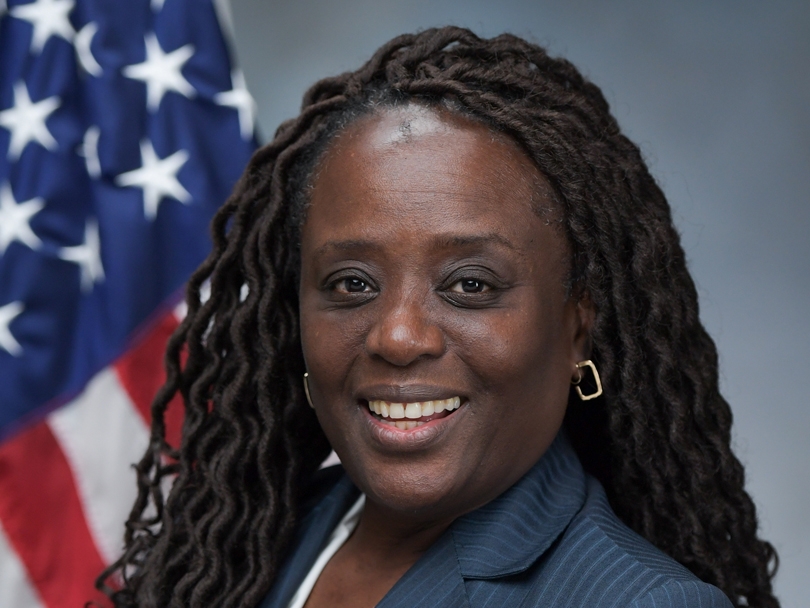
Sen. Cordell Cleare
Sponsored bills
Relates to creating a separate tax on inheritance income, creating a separate tax on gift income, the computation of the estate tax, and creating a gift tax.
Maddy summaryThis bill revises the criteria used by state agencies for financing and awarding grants for lead service line and pipe replacements. It directs the Environmental Facilities Corporation and the Department of Health to update how they approve projects and allocate funds. The new criteria will consider factors such as the cost burden on water systems, the incidence of childhood lead poisoning, and the level of lead contamination in the water supply. Additionally, a water system's commitment to fully funding both its own and property owners' portions of lead service line replacements will be a key factor. This legislation directly affects water systems seeking financial assistance for lead pipe removal efforts.
Permits a redetermination of a tax abatement for rent-controlled and rent regulated property occupied by senior citizens or persons with disabilities upon a permanent decrease in income.
Relates to establishing an office of antibiotic-resistance control; establishes the antibiotics education fund; includes methicillin-resistant staphylococcus aureus (MRSA) and other antibiotic-resistant infections in the definition of airborne infectious disease.
Maddy summarySenate Bill S 8086 revises the rules for compensating individuals appointed by the court as evaluators in guardianship proceedings. The bill allows courts to award reasonable compensation to these evaluators, including the Mental Hygiene Legal Service, regardless of whether the guardianship petition is granted or denied. This compensation can be paid by the petitioner, the person alleged to be incapacitated, or their estate, in proportions the court deems fair. It also adds a provision for evaluator compensation if the person alleged to be incapacitated dies before a final determination is made in the proceeding.
Maddy summaryS 4994 establishes an immediate ban on family courts using reports from forensic child custody evaluators (licensed psychologists, psychiatrists, or social workers) in custody or visitation cases. The bill prohibits courts from ordering or admitting such reports into evidence, directly affecting judges, attorneys, and families involved in custody disputes. It defines "forensic custody report" broadly to include any evaluation, assessment, or recommendation used by courts in these cases. The moratorium remains in place until all 11 recommendations from the Blue-Ribbon Commission on forensic custody evaluations are implemented.
Maddy summaryThis bill requires the state Office of Temporary and Disability Assistance to create rules mandating that homeless shelters in New York undergo at least four unannounced inspections each year - once per quarter. The inspections will be conducted by the state department or local social services districts. The law directly affects all facilities providing shelter for homeless individuals statewide by requiring regular, surprise safety and operational checks. It establishes a concrete, annual inspection schedule without changing shelter funding or services.
Maddy summaryThis bill, titled the "Sovereign Debt Stability Act," creates a voluntary legal process for countries or subnational regions (like provinces) with unsustainable debt to restructure payments under New York law. It allows debtor states to file a petition with New York, choose between two restructuring pathways (standard process or an alternative option), and engage creditors through a court-supervised plan. The key mechanism requires debtor states to notify creditors and follow specific steps for debt reconciliation, financing, and dispute resolution, aiming to reduce financial risks to New York as a global financial hub. It does not directly affect U.S. states or municipalities but targets international debtors whose obligations are governed by New York law.
Requires the Olympic regional development authority, in consultation with the department of environmental conservation and division of human rights to develop an anti-bias and inclusion training to be completed by employees of such agencies annually.