

Maddy summaryThis bill clarifies how "floor area" is measured for residential buildings under New York's Multiple Dwelling Law. It specifies that spaces with higher ceilings (e.g., over 12 feet) count multiple times toward total floor area, while excluding cellars, low attics, mechanical equipment spaces (except as noted), and outdoor features like balconies. Developers, building inspectors, and property owners using these measurements for compliance will be directly affected. The changes focus solely on standardizing calculation rules, not altering building requirements or regulations.
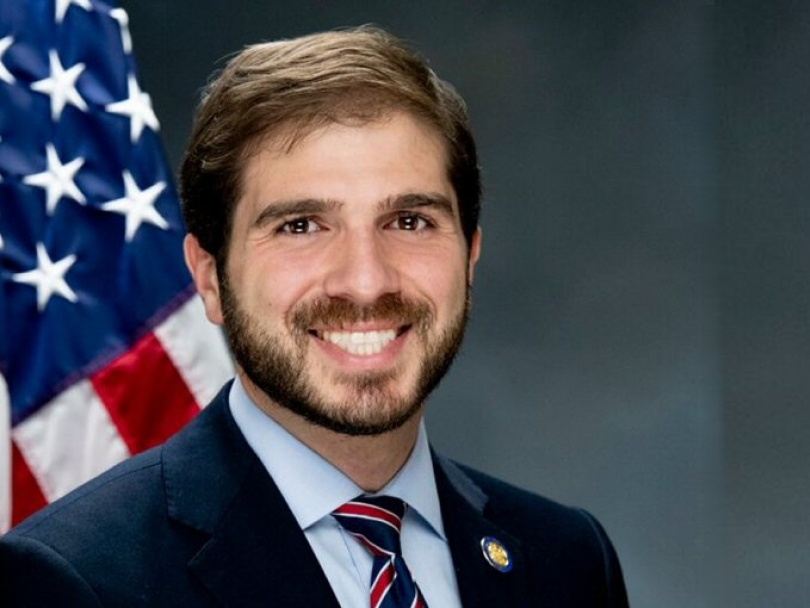
Sen. Andrew Gounardes
Sponsored bills
Maddy summaryS 1147 creates a new tax credit for New York City residents (population over 1 million) who own or rent their primary home. The credit reduces state tax liability based on a portion of property taxes paid, after subtracting a threshold amount tied to household income. Eligibility requires living in the home for six+ months, meeting income limits, and filing state taxes. The credit applies only to property taxes on primary residences within NYC, with specific definitions for household income and tax calculations.
Requires child protective services to orally and in writing disclose certain information to parents and caretakers who are the subject of a child protective services investigation; requires such oral and written disclosure to contain certain information regarding the rights of the person under investigation.
Relates to clarifying which entities handle the reporting of pregnancy loss; the responsibilities of health care providers and penalties for not protecting the identities of individuals who suffered a pregnancy loss.
Relates to the distribution of fire insurance premium taxes; provides that a percentage of fire insurance premium taxes be paid to the treasurer of the NYS Professional Firefighters Association to promote, support and maintain the well-being of paid professional firefighters employed in the state.
Establishes a tax credit for rent paid on the personal residence of certain taxpayers who lease the taxpayer's primary residence during the taxable year and who pay rent with respect to such residence in excess of thirty percent of such taxpayer's gross income for such taxable year.
Maddy summaryThis bill prohibits the use of campaign funds for personal expenses unrelated to a political campaign or holding public office. It defines "personal use" as expenditures benefiting the candidate or officeholder personally, such as mortgage payments, utilities for a personal residence, clothing, tuition, or family member salaries beyond fair market value. The bill lists specific prohibited examples, including residential expenses, non-campaign travel, entertainment, and excessive payments for family services. Exceptions allow campaign funds to cover legitimate campaign costs or public office duties (if not covered by state funding), and the state board of elections can issue binding advisory opinions on disputed expenses.
Relates to the time period during which absentee ballots shall be mailed or delivered after an application for such ballot is received by the board of elections.
Maddy summaryThis bill restricts eligibility for a driver's license pre-licensing course pilot program to applicants aged 25 and older. It amends the Vehicle and Traffic Law to exclude individuals 25 years old or younger from participating in the internet-based pilot program, which evaluates online delivery of required pre-licensing courses for certain driver's license classes (DJ/MJ). The restriction applies during the program's pilot period (June 2020-June 2025) and does not affect the program's expiration. This directly impacts young drivers seeking these licenses through the online pilot option.
Maddy summaryThis New York bill prohibits openly carrying a rifle or shotgun in a visible manner on public property. It defines "openly carries" as carrying the firearm in a way that makes it visible to others. The law includes 15 specific exemptions, such as for hunters with permits, law enforcement officers, military personnel on duty, individuals on private property with permission, and those participating in historical reenactments or biathlon events. These exemptions allow open carry under defined circumstances while banning it for the general public in most public settings.