

Maddy summaryThis bill amends multiple sections of New York's public authorities law to explicitly include "stormwater" in the legal definition of "sewage" for water, sewer, and water and sewer authorities. It adds a new definition stating "stormwater" means water runoff that exceeds soil absorption capacity during rain or melt events. The change directly affects these public authorities by expanding their regulatory scope to cover stormwater under existing sewage-related rules. The bill does not create new programs or funding but clarifies how stormwater is legally treated in water management frameworks. (164 words)
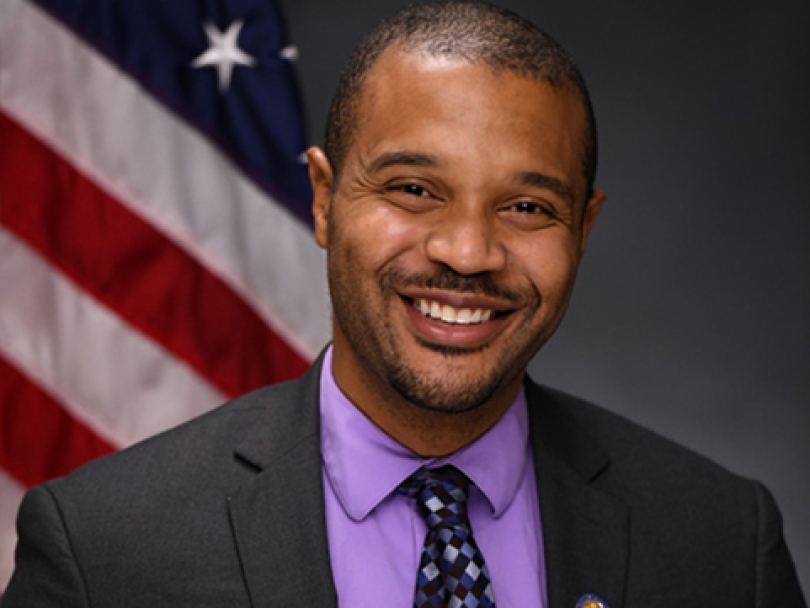
Sen. Jabari Brisport
Sponsored bills
Maddy summaryThis bill (S 4260) allows unaccompanied immigrant children in federal custody (e.g., shelters or foster care under U.S. agencies like ORR) to directly petition New York family courts to seek a "dependency" status. If granted, courts can issue orders ensuring the child’s safety and care - including placing them in appropriate settings - while maintaining their current federal custody without altering it. The law requires courts to consider the child’s best interests and prohibits automatic referrals to child abuse registries for events occurring outside New York or the U.S. It also mandates legal representation for these children in court proceedings. The bill does not change federal custody arrangements but provides a new legal pathway for children to access court oversight of their care.
Maddy summaryThis bill sets a legal limit of 16 cases per foster care worker at any time, directly affecting foster care workers and the children in their care. It modifies New York's Social Services Law to require that no worker supervise more than 16 foster care cases simultaneously. The provision takes effect 60 days after enactment, creating a concrete caseload cap for child welfare staff. This policy change aims to standardize supervision levels without specifying outcomes or advocating for particular results.
Maddy summaryThis bill (S 329) changes criminal procedure rules to allow defendants to appeal a judge's decision denying a motion to suppress evidence - even if they later enter a guilty plea. It directly affects criminal defendants who want to challenge evidence rulings that may involve issues of public concern. The key provision amends the law to make such denial orders "reviewable upon appeal" from the final conviction, removing a previous barrier that prevented appeals after a guilty plea. This provides a clearer path for defendants to seek appellate review of critical evidence rulings without being barred by their own plea. The change applies to all criminal cases where evidence suppression is contested.
Authorizes the state inspector general to receive and investigate complaints of sexual assault in correctional facilities and other places operated by the department of corrections and community supervision for the confinement of persons; requires the state inspector general to establish protocol and procedures for such reports and investigations.
Authorizes certain persons confined in institutions operated by the department of corrections and community supervision to apply for a sentence reduction.
Grants the legislature the authority to direct the attorney-general by concurrent resolution to inquire into matters concerning the public peace, public safety and public justice.
Amends procedures required for the custodial interrogation of children to provide additional protections and for taking juveniles and sixteen and seventeen year olds into custody.
Establishes in the city of New York a bicycle lane safety program to enforce certain restrictions on the use of bicycle lanes and/or protected bicycle lanes by means of bicycle lane photo devices.
Enacts the "New York wildlife crossing act"; directs the department of transportation and the New York state thruway authority, in consultation with the department of environmental conservation and the department of motor vehicles, to identify sites along all highways, thruways and parkways in the state where wildlife crossings are most needed to increase public safety and improve habitat connectivity and create a priority list of wildlife opportunity areas where federal grant monies may be available to implement the top five projects identified.