

Maddy summaryThis bill creates a new enforcement mechanism allowing certain workers, whistleblowers, or labor organizations to file public lawsuits on behalf of New York's labor department to address violations of specific labor laws. It enables private parties to initiate enforcement actions for issues like unpaid wages or misclassification (covered under Articles 5, 6, 9, 19, 19-A, 19-B, and 25-A), with civil penalties collected going to the state treasury. The law aims to supplement limited public enforcement resources by empowering workers and organizations to act as "private attorneys general" while protecting whistleblowers from retaliation. It explicitly excludes government agencies as targets and applies only to violations covered by designated labor law sections.
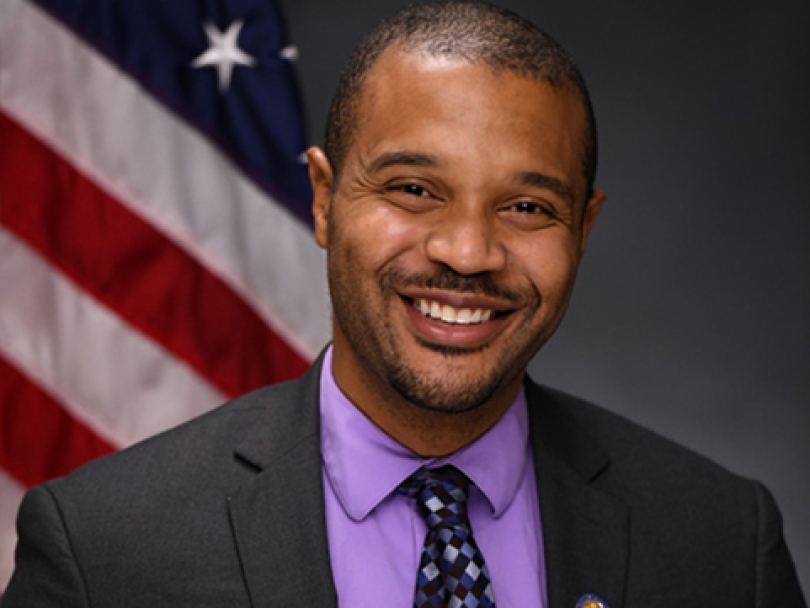
Sen. Jabari Brisport
Sponsored bills
Protects individuals who provide or receive legally protected health activity, including reproductive health care and gender-affirming care, from criminal or civil liability or professional sanctions imposed by jurisdictions outside the state.
Requires the office of children and family services to provide luggage to youth in foster care; provides that such luggage shall be distributed to social services districts for distribution to foster care youth; requires the office of children and family services to submit an annual report to the governor and the legislature about the distribution of luggage to foster care youth.
Requires public notice and public engagement when a general hospital seeks to close entirely or a unit that provides maternity, mental health or substance use care.
Requires a caller making a report of suspected child abuse or maltreatment to the central register to leave their name and contact information; prohibits the office of children and family services from releasing information identifying a person who made such a report.
Maddy summaryThe RAISE Act establishes safety requirements for developers of powerful artificial intelligence models, known as "frontier models." A frontier model is defined as one trained with over 10^26 computational operations (costing more than $100 million) or a distilled version costing over $5 million. Large developers must implement documented safety protocols to prevent "critical harm," defined as events causing death, serious injury to 100+ people, or $1 billion in damages from AI misuse. The bill also defines key terms like "safety incident" and outlines remedies for violations, focusing on risk mitigation rather than restricting AI development.
Relates to the right to counsel in certain family court proceedings regarding violations of orders of child support and to establish paternity or parentage in the family court.
Maddy summaryThis bill (S 2520) changes New York State's Freedom of Information Act (FOIA) response deadlines for government agencies. It sets new time limits: 180 days for requests made before 2026, 90 days for 2027 requests, and 60 days for requests on or after January 1, 2028. Agencies must explain delays if they cannot meet these deadlines due to federal law, safety concerns, or extremely large volumes of records, and must provide monthly updates to requesters. The bill directly affects state agencies (like departments and offices) that handle FOIA requests and all individuals or organizations seeking government records under FOIA.
Maddy summaryThis bill (S 4545) repeals Section 2307 of New York's Public Health Law, which previously addressed individuals knowingly infected with venereal disease. The repeal eliminates the legal provision that could have been used to prosecute such cases. The law takes effect immediately, preventing any future enforcement or legal action under the repealed section.
Maddy summaryThis bill requires organizations that have records exempt from public disclosure under New York's Freedom of Information Law (FOIL) to renew their exemptions every three years by submitting a written request to the state agency holding the records. Entities must specify which records they seek to keep confidential, provide reasons for the exemption, and apply for renewal at least 60 days before the current exemption expires; failure to renew results in the exemption lapsing. The law establishes procedures for agencies to review renewal requests and for entities to appeal denials, ensuring exemptions remain time-limited and subject to periodic review.