

Maddy summarySenate Bill S 856 reorganizes the State Commission of Correction by expanding its membership from three to nine individuals. The bill diversifies the appointment process, allowing the Governor, Speaker of the Assembly, Temporary President of the Senate, and the Correctional Association to each appoint members. It also mandates that the commission include members with specific professional backgrounds, such as formerly incarcerated individuals, health professionals, and attorneys. Additionally, the bill establishes a ten-year term limit for commissioners and alters the process for designating the chairperson and removing members.
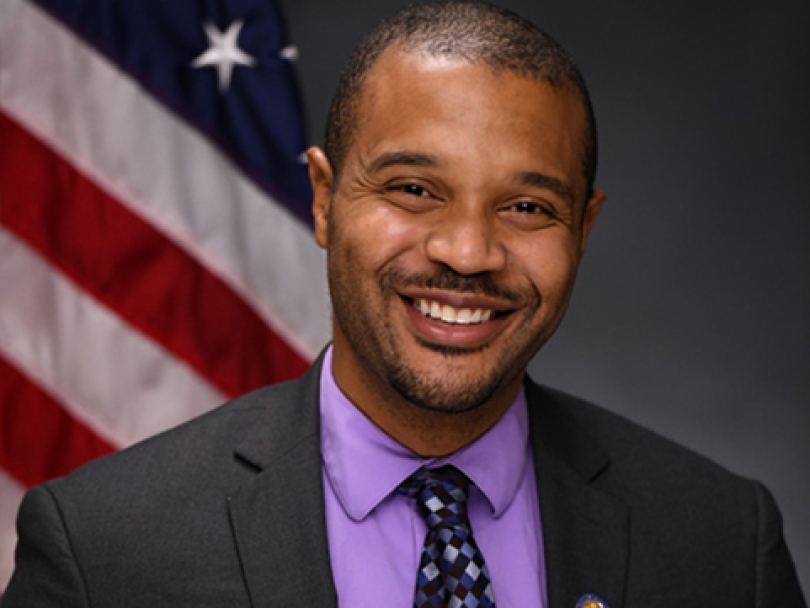
Sen. Jabari Brisport
Sponsored bills
Maddy summaryThis bill (S 330) requires courts to review criminal sentences that are illegal or "unduly harsh or severe," even if a defendant previously waived their right to appeal. It amends the criminal procedure law to mandate that courts modify such sentences by reversing the sentencing portion while upholding the conviction. The law directly affects defendants serving criminal sentences deemed excessive by appellate courts, providing a mechanism to correct disproportionate punishments without requiring the defendant to formally challenge the sentence.
Requires grand jury proceedings for police officers or peace officers involved in a shooting or excessive use of force to be conducted in open, contemporaneous public hearings.
Relates to the confidentiality and expungement of records in juvenile delinquency cases in the family court; requires certain records to be expunged automatically.
Maddy summaryThis bill, the "Raise the Wage Act," increases New York's minimum wage to $21.25 per hour in New York City by 2028, $17.25 in the city's suburbs (Nassau, Suffolk, Westchester) by 2026, and gradually across the rest of the state. It repeals current static wage provisions and establishes automatic annual adjustments tied to inflation and productivity, mirroring the formula used for upstate wages since 2022. The bill directly affects all hourly workers covered under New York's labor law, particularly in low-wage sectors like home care and childcare. This indexing mechanism aims to prevent future erosion of purchasing power, ensuring wages keep pace with rising living costs.
Establishes a culturally responsive education curriculum and standards; requires all school districts, charter schools and private schools to integrate culturally responsive education throughout the education of all students at all grade levels; establishes a pilot program in culturally responsive education; appropriates $25,000,000 therefor.
Suspends all unnecessary travel to states that have enacted a law that voids or repeals, or has the effect of voiding or repealing, existing state or local protections against discrimination on the basis of sexual orientation, gender identity, or gender expression or have enacted a law that authorizes or requires discrimination against same-sex couples or their families or on the basis of sexual orientation, gender identity, or gender expression, including any law that creates an exemption to antidiscrimination laws in order to permit discrimination against same-sex couples or their families or on the basis of sexual orientation, gender identity, or gender expression.
Requires social services districts to distribute educational materials pertaining to sexual health, including information on HIV prevention and pre-exposure prophylaxis to individuals enrolled in Medicaid.
Maddy summaryS 5533 creates a permanent $1.2 billion fund to improve pay for New York child care workers. It requires that at least 75% of funds distributed to child care programs must increase compensation for direct caregivers (like teachers), 10% for administrators, and the rest for program quality or capacity. The bill mandates the state develop a minimum wage scale aligning child care pay with public school educators and prioritizes funding for programs serving high-need children, underserved communities, and those accepting state child care subsidies. Programs receiving funds must meet wage requirements and report how money is used.
Relates to the employee status of an individual; establishes criteria for determining whether labor or services performed for remuneration qualify as employment.