

Maddy summaryS 1027 updates rules for local government meetings held via videoconference. It requires most public bodies (like city councils and county boards) to have at least some members physically present for quorum, while allowing remote participation for specific reasons like disability or illness. The bill mandates closed captioning, real-time public access to meetings, clear public notice about virtual options, and posting recordings online within five business days. It also creates a municipal fund to support hybrid meeting infrastructure. These changes apply to all local governments in New York State that hold public meetings.
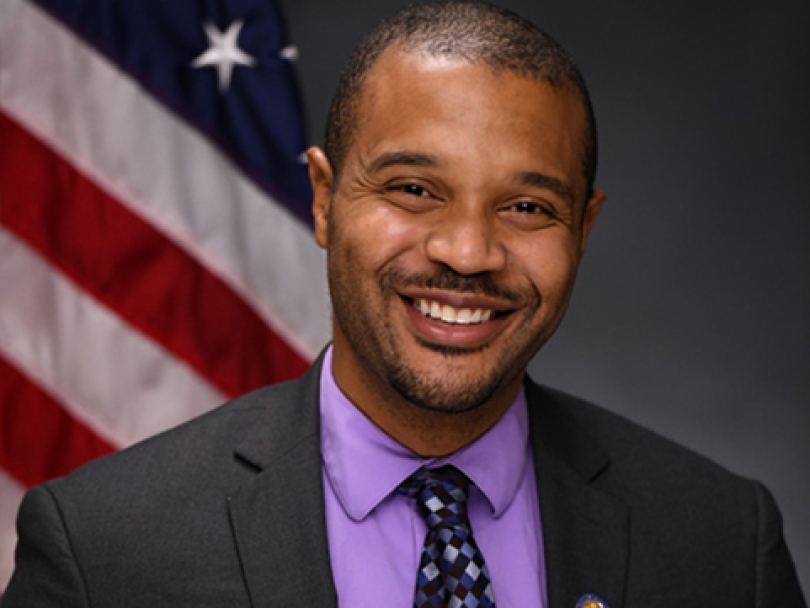
Sen. Jabari Brisport
Sponsored bills
Establishes the nail salon minimum standards council act; establishes the nail salon minimum standards council which shall investigate wages and standards within the nail salon industry and submit recommendations on minimum wages, regulations and standards for nail salon workers.
Enacts the "gender identity respect, dignity and safety act"; relates to the treatment and placement of incarcerated individuals based upon gender identity; requires that incarcerated individuals in state and local correctional facilities who have a gender identity different from their assigned sex at birth be addressed and have access to commissary items, clothing and other materials that are consistent with the person's gender identity; establishes that incarcerated individuals shall be placed in a correctional facility with persons of the gender that most closely aligns with such person's self-attested gender identity unless the person opts out of such placement.
Provides interest rate limitations for financing arrangements and the extension of consumer credit; relates to the definitions of criminal usury in the first and second degrees; relates to the functions of the attorney general regarding rental purchase agreements.
Establishes the "protect our privacy (POP) act" to impose limitations on the use of drones for law enforcement purposes; prohibits the use of drones by law enforcement at concerts, protests, demonstrations, or other actions protected by the first amendment.
Establishes a New York state prison labor board to ensure that all labor programs comply with the requirements of the labor law and are for the purpose of promoting successful rehabilitation, reentry and reintegration into the community and not for the purpose of earnings or cost-savings which inure to the benefit the state or any private individual or corporation; prohibits the department of corrections and community supervision from unfairly attaching, garnishing or disbursing the funds of incarcerated individuals where such individuals have not requested disbursement; requires that all interest accumulated on incarcerated individuals' funds be credited to such individual's accounts; eliminates the preferred status of the department of corrections and community supervision regarding commodities and services furnished by the correctional industries program; repeals certain provisions of the state finance law relating to such preferred status.
Establishes the New York state fast food franchisor accountability act to hold fast food restaurants jointly liable for violations of certain laws, orders, rules and regulations relating to employment and worker safety.
Maddy summaryS 3281 expands eligibility for sealing certain criminal convictions in New York. It allows individuals convicted of up to five eligible offenses (including up to two felonies) to apply for sealing, provided they meet a 10-year waiting period after their sentence or release from incarceration. The bill specifically excludes sex offenses, violent felonies, and other serious crimes from eligibility. Applicants must submit documentation to the court, and prosecutors have 45 days to object; if they don’t, sealing may proceed. This directly affects people with non-violent, non-sex-related convictions who have maintained a clean record for a decade.
Grants the commissioner of education the power to identify schools for additional support and assistance and establish performance targets for such schools.
Prohibits hospital interference with patient care where the practitioner is acting in good faith and within the scope of their practice; defines emergency medical conditions; requires appropriate medical screening and stabilizing treatment of persons in an emergency department, including pregnant persons, or appropriate transfer.