Imposes fines for failure to exercise due care and move over when approaching parked, stopped or standing motor vehicles on the shoulder of a highway.
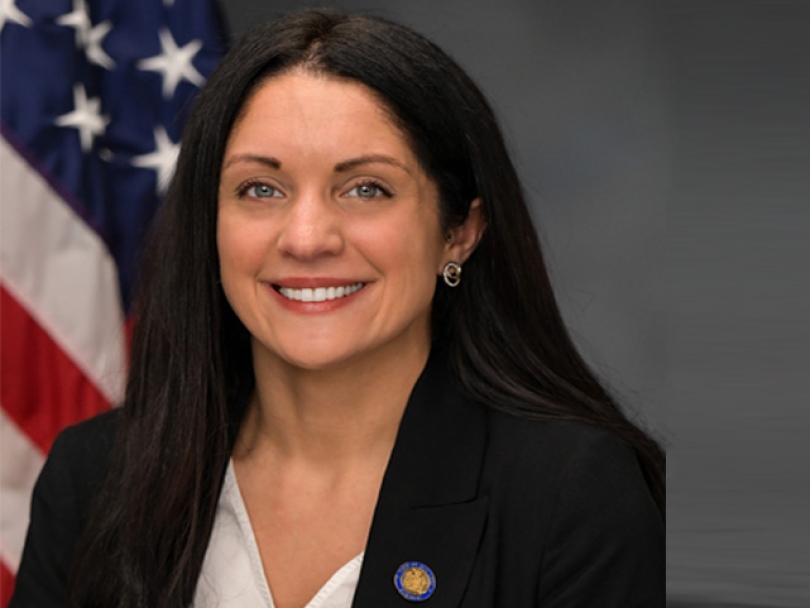
Sen. Jessica Scarcella-Spanton
Sponsored bills
Maddy summaryThis bill creates a new pathway for foreign-trained dentists to become licensed in New York. It allows dentists licensed outside the U.S. (who don't qualify for standard endorsement) to work under a limited permit in underserved community health centers after meeting requirements: five years of dental practice experience, passing a competency exam, and completing a supervised preceptorship program. After five years of practice under this permit in qualifying facilities, they may apply for full state licensure. The bill directly affects international dental graduates seeking to practice in New York, particularly in areas with dental health shortages.
Authorizes the Seagate police department receive a special parking placard for the department's motor vehicles when such officers are on official business as peace officers.
Maddy summaryThis bill sets maximum overtime limits for public employees in New York's custodial facilities, including correctional centers, mental health facilities, and developmental disability centers. It prohibits mandatory overtime exceeding 17 hours in a 24-hour period (with 8 consecutive hours off afterward), 80 hours in 14 days, or 7 consecutive workdays without a full 24-hour break - except during emergencies or with 24 hours' notice. Facilities must also submit quarterly public reports detailing staffing levels, resignations, safety incidents, and recruitment efforts. The law aims to address unsafe staffing conditions by capping excessive workloads while preserving existing employee rights.
Maddy summaryThis bill makes permanent key provisions allowing nurse practitioners to diagnose illnesses and provide treatment within their specialty areas, working collaboratively with licensed physicians or other nurse practitioners. It requires written practice agreements and protocols for this collaboration, including specific rules for resolving disagreements about diagnosis or treatment. The law directly affects nurse practitioners and physicians who collaborate with them, ensuring consistent practice standards without temporary expiration. This updates prior temporary rules (set to expire in 2026) by making them permanent under New York's education law.
Maddy summaryThis bill allows school districts to create policies enabling homeschooled students to try out for and join their district's interscholastic sports teams. It requires these students to meet the same academic, health, and behavioral standards as enrolled public school students - including annual academic checks, health exams, and age requirements - and limits participation to their district of residence. Parents must provide transportation, and districts may set additional academic eligibility rules. The policy is optional for school boards, not mandatory.
Maddy summaryThis bill establishes a licensing and regulatory framework for "earned income access providers" in New York, which are companies that allow workers to receive wages they've already earned but aren't yet due (e.g., early paycheck access). It requires these providers to obtain a license, caps fees at $5 for transactions of $75 or less and $7 for larger transactions, and sets standards for transparency and consumer protection. The law directly affects workers using these services and the providers offering them, while exempting traditional banks and financial institutions from licensing requirements. Key provisions include mandatory fee limits, licensing requirements, and rules for advertising and data collection.
Provides for beneficiaries of the death benefits of an eligible uniformed member of the fire department of the city of New York the ability to elect to receive such benefits in a certain lump-sum amount.
Relates to the distribution of the foreign and alien fire insurance premium tax; provides amount received shall be distributed to the fire companies in proportion to the number of active members within each company.
Maddy summarySenate Bill S 5209 proposes to change the timeframe within which health plans can seek to recover overpayments from healthcare providers. It reduces the "lookback period" for initiating overpayment recovery efforts from twenty-four months to twelve months after the original payment was made. This means health plans will have a shorter window to identify and reclaim funds from providers for incorrect payments. However, the twelve-month limit does not apply if there is a reasonable belief of fraud, intentional misconduct, or abusive billing, or if the recovery is required by a self-insured plan or government program. The bill also specifies that if a provider claims underpayment, the health plan can still defend or set off with overpayments going back as far as the claimed underpayment.