

Maddy summaryThis bill expands New York's official definition of "eating disorder" in mental health law to explicitly include avoidant/restrictive food intake disorder (ARFID), alongside existing conditions like anorexia and bulimia. It directly affects individuals diagnosed with ARFID by ensuring they qualify for mental health services, insurance coverage, and prevention programs previously limited to other recognized eating disorders. The key mechanism amends two laws: updating the definition in the Mental Hygiene Law (Section 30.02) and requiring the state's eating disorders awareness program to cover this newly included condition. This change ensures ARFID is formally recognized in medical and mental health practice under state law.
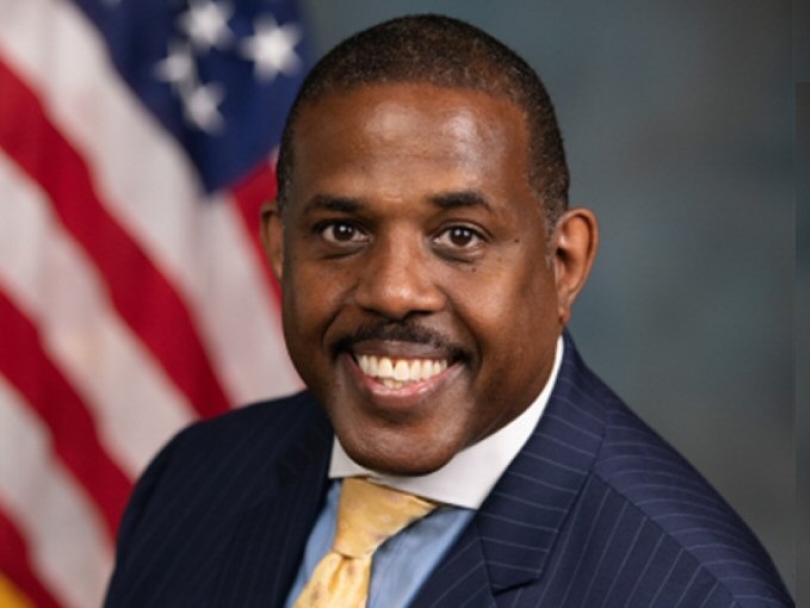
Sen. Kevin Parker
Sponsored bills
Maddy summaryS 8237 modifies the Green Jobs-Green New York program's on-bill financing for energy efficiency upgrades. It sets maximum loan amounts at $13,000 for residential properties and $26,000 for non-residential properties, with higher limits up to $50,000 if the payback period is 15 years or less. The bill requires the state to record a property declaration for these loans, ensuring the on-bill charge transfers with the property upon sale and mandates sellers to notify buyers about outstanding balances. The original property owner remains responsible for payments if the buyer does not formally assume the debt in writing.
Prohibits drug, cannabis or alcohol testing of pregnant or postpartum individuals and newborns unless the individual consents and it is within the scope of medical care, or the testing is necessary for a medical emergency.
Relates to the municipal sustainable energy loan program regarding qualifying water improvements, qualifying resiliency improvements and, in a city with a population of one million or more, the use of low carbon intensity building components.
Relates to establishing minimum standards for payment plans for eligible customers; requires the public service commission to set standards for payment plans for certain customers including reasonableness of agreements and timelines for payment; establishes eligibility.
Authorizes the director of the division of minority and women's business development and the mayor of the city of New York to enter into a memorandum of understanding to allow reciprocity between the state and New York City for businesses that are certified as minority and women-owned business enterprises.
Requires contracting agencies to contact minority and women-owned business enterprises when such enterprise is listed on a utilization plan and when a contract is awarded; mandates that the prime contractor use such enterprise identified on the utilization plan, unless such enterprise cannot perform or is no longer state certified.
Maddy summaryThis bill requires election boards to extend voting time at affected polling places or districts if voting is disrupted for over 15 consecutive minutes. If disruptions occur, the board must toll the voting clock during the delay and extend voting time proportionally afterward, or schedule additional voting on the next available day if same-day extension is impractical. The board must also publicly notify voters, candidates, media, and community groups about the extended hours through multiple communication channels. This directly affects voters at disrupted locations, election officials managing polling operations, and candidates needing to coordinate with affected districts.
Maddy summaryThis bill increases short-term disability and family leave benefits for eligible New York workers. It phases in higher weekly benefit rates (from 50% to 67% of average weekly wage) and extends maximum benefit periods (from 8-10 weeks to 12 weeks) over time, starting in 2018. These changes apply to employees taking leave for disability or qualifying family care needs under New York's workers' compensation law. The bill requires employers to maintain health benefits during leave and prohibits retaliation for taking leave. The superintendent of financial services may delay benefit increases if needed to maintain program stability.
Establishes a program for specific individuals to become complex care assistants and provide private duty nursing services to certain Medicaid enrollees.