

Maddy summaryThis bill requires New York state agencies to provide certified payroll records from public works contractors to labor organizations that represent workers on those projects. It mandates that agencies share detailed payroll information - including employee names, job classifications, hours worked, and all wage payments - within 30 days of a valid request. The records must verify compliance with prevailing wage rates and working conditions for public construction projects. This directly affects labor organizations seeking transparency and contractors performing state-funded work, ensuring accountability in wage enforcement. The law takes effect immediately upon enactment.
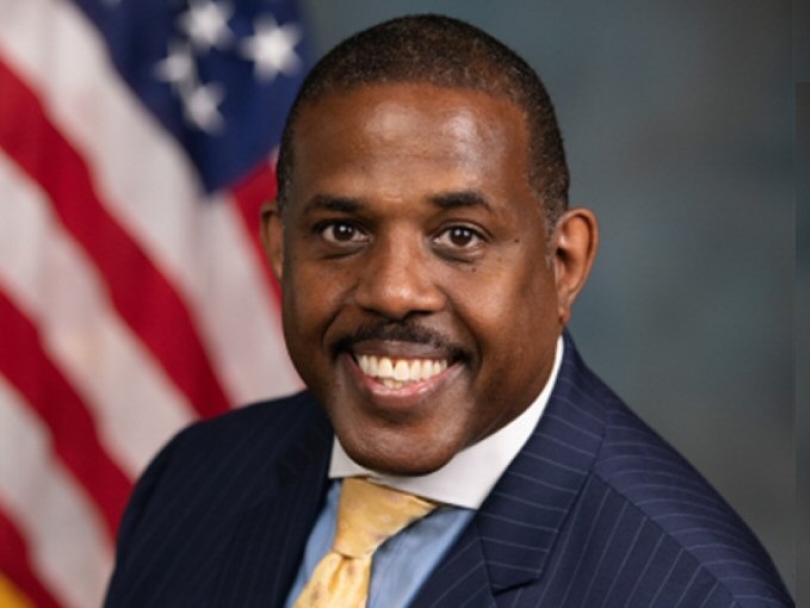
Sen. Kevin Parker
Sponsored bills
Maddy summaryThis bill (S 1660) is a symbolic resolution formally acknowledging New York State's historical role in slavery. It declares that slavery and the slave trade were "appalling tragedies" and crimes against humanity, including a formal apology for the state's sanctioning of slavery and its lasting impacts. The resolution specifically references the exploitation of children and family separation under historical "slave codes," and honors Sojourner Truth's legacy. It does not create new laws or affect current policies; it is solely an official statement of acknowledgment and apology. The bill takes effect immediately upon enactment.
Maddy summaryThis bill (S 4300) prohibits employers from firing or discriminating against employees who respond to emergencies as volunteer firefighters or ambulance workers. It directly protects volunteer emergency responders by making it illegal for employers to terminate their employment solely because they were performing emergency duties. The law covers necessary travel to, work at, and return from emergencies, including fire alarms, hazardous material incidents, or medical calls, as defined by existing volunteer benefit laws. The policy change takes effect immediately, ensuring job security for these volunteers during emergency response activities.
Relates to medical parole and determinations of whether a person released on medical parole is physically or cognitively incapable of presenting a danger to society.
Enacts the "cannabis adult-use transition act"; increases the number of members on the state cannabis advisory board from thirteen to seventeen voting appointed members; provides that an eligible registered organization shall be authorized as a registered organization adult-use cultivator processor distributor retail dispensary upon approval of an application to the office of cannabis management that must be available to such registered organizations no later than August first, two thousand twenty-five and remain available thereafter; provides that the office must approve or deny such application within thirty days of its submission or it shall be deemed approved; makes related provisions.
Establishes the community chemical dependency services expansion program; provides funding for local governmental units for the provision of new and expanded chemical dependency services.
Requires health insurers to provide full coverage for the prevention, early detection, diagnosis and treatment of autism spectrum disorder; establishes an advisory panel on health insurance coverage for autism spectrum disorder to annually compile a list of treatments and therapy options for which health insurers will be required to provide coverage; establishes a toll-free, 24 hour a day, autism and health insurance coverage hotline to receive and act upon complaints and questions from families with autistic children, relating to insurance coverage for autism spectrum disorder.
Provides for the regulation of indoor and outdoor worksites with temperature protection standards and education, training and reporting requirements to ensure that employers provide safe conditions for their employees.
Maddy summaryThis bill establishes training and registration requirements for individuals who perform kidney dialysis services but are not licensed medical professionals (e.g., doctors, nurses, or physician assistants). It mandates that these technicians complete approved training covering dialysis therapy, roles, and legal responsibilities, then register with the health department to legally use the title or provide services. Existing technicians with at least two years of experience are exempt from the registration requirement for one year after the law takes effect. The law directly affects dialysis technicians and providers, ensuring standardized training before practice.
Allows credit unions, savings banks, savings and loan associations and federal savings associations to accept and secure deposits from municipal corporations.