

Maddy summaryThis bill requires all manufacturers selling portable electronic devices in the state to include an ATSC 3.0 chip starting January 1, 2027. It directly affects device manufacturers by mandating this specific technology in covered products, which include hand-held mobile phones, PDAs, and handheld devices with mobile data access. The key provision sets a clear deadline for compliance and defines the required chip technology for all new devices sold within the state. This is a concrete regulatory change focused on device specifications, not broader policy impacts.
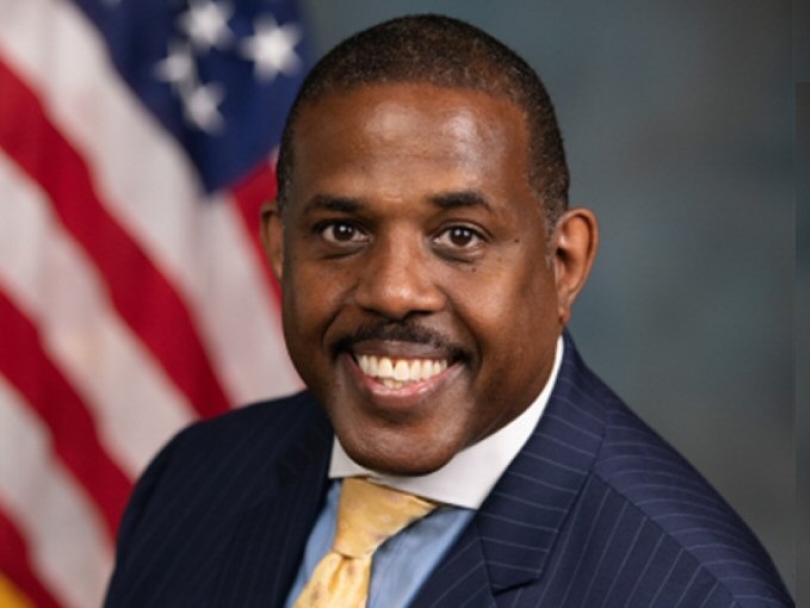
Sen. Kevin Parker
Sponsored bills
Maddy summaryThis bill requires the state Office of Temporary and Disability Assistance to create rules mandating that homeless shelters in New York undergo at least four unannounced inspections each year - once per quarter. The inspections will be conducted by the state department or local social services districts. The law directly affects all facilities providing shelter for homeless individuals statewide by requiring regular, surprise safety and operational checks. It establishes a concrete, annual inspection schedule without changing shelter funding or services.
Maddy summaryThis bill requires all public and private schools in the state serving kindergarten through 12th grade to test for radon gas. Schools must follow the education commissioner's rules for testing, monitoring, and remediation, and publicly share test results and actions taken in an accessible location. They must also annually notify parents about the availability of this information through existing school communication channels. The law, effective July 1, 2026, states schools are not liable for non-compliance unless due to negligence or intentional misconduct.
Establishes the commission on education in the twenty-first century which shall examine the system of school districts and the delivery of education related services in the state and shall recommend changes to that system.
Establishes the citywide leadership team to ensure that parents' and students' voices are represented in all education decision-making, ensure education policies considered or implemented are conducive to promoting student achievement and enhancing the overall quality of education for students attending public schools in the city of New York, and include all stakeholders at all stages of the decision-making process.
Relates to establishing full-service community schools to improve student outcomes through a systematic effort designed to coordinate educational programs with essential health, mental health and enrichment services and facilitate parental involvement in their children's education.
Relates to decreasing the length of the suspension period applicable to certain individuals who lose their jobs due to a labor dispute, such as a strike, and who seek to obtain unemployment insurance benefits; decreases the suspension period from two consecutive weeks to one week; provides that the waiting period and suspension period shall be served concurrently.
Defines photographing (whether by still or moving pictures) persons entering or leaving reproductive health care services facilities as aggravated harassment in the third degree; exempts constitutionally protected conduct and activities regulated by certain federal labor laws.
Maddy summaryThis bill allows New York school districts and cooperative educational services boards to create an energy reserve fund for paying electricity and heating costs without needing voter approval. Unspent funds in the current fiscal year can be rolled over to the next year's budget instead of being returned to the general fund. It also removes the requirement for voter authorization when spending from these specifically designated energy reserves. The bill directly affects school districts managing energy expenses, providing greater budget flexibility for these costs.
Enacts the New York state excess food act which provides for mandatory donation of consumable food products; provides mandatory composting of appropriate materials; establishes the New York state excess food fund which will be funded by fines collected from violations of the New York state excess food act.