

Maddy summaryThis bill (S 4502) repeals a 2011 law that imposed an annual spending cap on state Medicaid funding and related administrative processes. It specifically removes Sections 91 and 92 of Chapter 59, which limited how much the state could spend on Medicaid each year. By eliminating this cap, the bill allows Medicaid funding to increase without the previous annual spending restriction. This change directly affects the state’s Medicaid program, which provides health coverage to low-income residents, by removing a barrier to funding growth. The repeal would take effect immediately upon enactment.
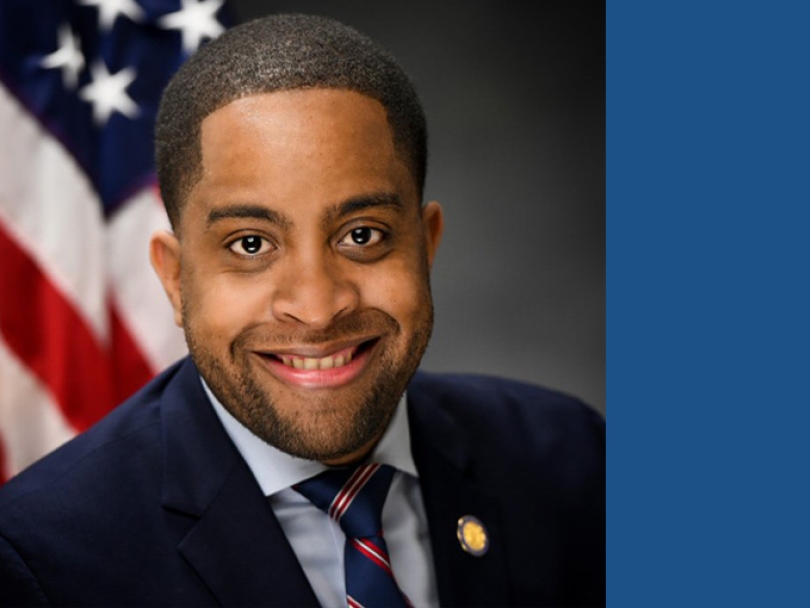
Sen. Zellnor Myrie
Sponsored bills
Establishes the teachers' fossil fuel divestment act; requires the New York state teachers' retirement system to divest the retirement system of any stocks, securities, equities, assets, or other obligations of corporations or companies included on an exclusion list of coal producers and oil and gas producers.
Relates to the money deposited as bail by charitable bail organizations; removes maximum authorized amount of money allowed to be deposited by such organizations.
Maddy summaryThis bill creates a 25% tax credit for homeowners who install fire sprinkler systems in their residences. It directly affects residential property owners in municipalities that do not already require sprinkler systems. The credit covers 25% of labor and material costs, with a maximum annual credit of $5,000. The credit can be carried forward if it exceeds current tax liability but cannot reduce tax below the minimum amount required. The program begins for taxable years starting January 1, 2025.
Prohibits governmental entities from entering into agreements to house individuals in immigration detention facilities; requires governmental entities to terminate existing contracts for the detention of individuals in immigration detention facilities.
Maddy summaryS 2550 allows individuals to petition courts to release certain grand jury records based on "enduring historical importance." It directly affects researchers, historians, and the public seeking access to historical records, particularly those involving dismissed cases against public officials. The bill establishes that grand jury materials 40 years or older are presumed to have historical value, requiring courts to release them if they enhance historical records, foster scholarly discussion, or improve public understanding of significant events. This replaces the previous secrecy rule for such records, with courts determining release details.
Establishes an unemployment bridge program and an unemployment bridge program fund to provide wage replacement to workers that do not qualify for unemployment insurance or other worker wage assistance programs and who have lost a major source of income due to lost work (Part A); establishes the "Digital Ad Tax Act (DATA)" creating a tax on digital advertising services (Part B).
Establishes the Early Learning Child Care Act to impose a payroll tax on certain employers for the purposes of addressing child care affordability, accessibility, and quality for families with children under five years of age; establishes the early learning child care fund; establishes the early learning child care program to provide subsidies to covered children to attend early learning child care programs; establishes the New York state child care board.
Provides for the designation by a general hospital of persons to identify infectious disease processes, conduct surveillance and epidemiologic investigations, and develop plans to prevent and control the transmission of infectious agents within general hospitals.
Maddy summaryThis bill, S 3144, expands the required service area for accessible paratransit transportation. It mandates that accessible buses be available within a service area measuring three miles from any bus line operated by a transportation authority or its subsidiaries. This provision applies to both existing requirements for a percentage of accessible buses and the mandate for 100% accessible fixed-route buses, aiming to ensure broader geographical access for transportation-disabled persons, including those in wheelchairs.