

Establishes the "clean fuel standard of 2026"; provides such standard is intended to reduce greenhouse gas intensity from the on-road transportation sector, with further reductions to be implemented based upon advances in technology.
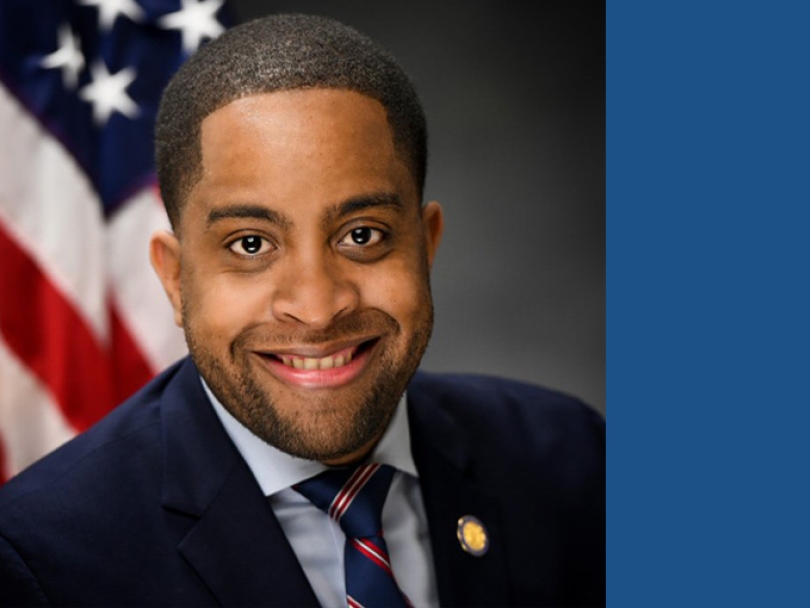
Sen. Zellnor Myrie
Sponsored bills
Maddy summaryThis bill establishes a state-run emergency insulin program to provide affordable access to analog insulins (life-saving prescription medications for managing type 1 and insulin-dependent type 2 diabetes) for uninsured or underinsured individuals at risk of serious health complications. It creates an emergency insulin program trust fund (funded by state appropriations and contributions from insulin manufacturers) to cover costs, allowing pharmacies with 20+ locations and certain facilities to dispense insulin without individual prescriptions through a sliding-scale cost-sharing system capped at $100 for a 30-day supply. The program must be operational by April 1, 2026, and requires the health commissioner to report annually on program participation, insulin types distributed, costs, and public-private partnerships. The bill directly affects vulnerable diabetic patients and healthcare providers participating in the program, focusing on immediate emergency access rather than long-term coverage changes.
Maddy summaryThis bill increases monthly personal needs allowances for residents in specific care facilities. It raises the amount from $55 to $140 per month for residents of residential health care facilities (like nursing homes), and from $35 to $89 per month for residents of developmental disability or mental health facilities. Veterans with reduced VA pensions in nursing homes will receive allowances matching their pension amount (capped at $196/month). These changes apply to individuals eligible for federal Supplemental Security Income or state payments, effective January 2027.
Establishes the "tenant opportunity to purchase act"; prevents the displacement of middle and lower-income tenants in New York; preserves affordable housing by providing an opportunity for tenants to own or remain renters in the properties in which they reside.
Maddy summaryThis bill updates the laws governing wrongful death lawsuits in the state to clarify which types of financial compensation families can receive when a loved one dies due to someone else's actions. It explicitly allows juries to award damages for specific losses, including funeral costs, medical bills incurred before death, emotional grief, and the loss of financial support, guidance, and companionship. The legislation also defines exactly who is eligible to receive these funds, such as spouses, domestic partners, children, and individuals who acted as parents to the deceased, while establishing a legal process to divide the money fairly among them based on their specific relationship to the decedent. Additionally, the bill adjusts the time limit for filing these lawsuits to three years generally, with a shorter deadline for cases related to the September 11, 2001 terrorist attacks.
Maddy summaryThis bill allows tenants and renters to choose to sign leases and related rental documents electronically instead of using paper. The law states that these digital copies will have the same legal weight as traditional paper originals, provided the option is offered during the initial signing or renewal process. However, the electronic option does not apply to official court notices or legal service of process. The legislation takes effect immediately upon passage.
Establishes the "tenant opportunity to purchase act"; prevents the displacement of middle and lower-income tenants in New York and preserves affordable housing by providing an opportunity for tenants to own or remain renters in the properties in which they reside.
Expands the eligibility period for indigent legal service attorneys to receive certain loan forgiveness; increases loan reimbursement for certain attorneys who work in legal services with indigent clients.
Authorizes the mortgagee or lienor of an abandoned multiple dwelling to apply for the appointment of a receiver to bring the building into compliance.
Increases taxes imposed on alcoholic beverages; authorizes twenty percent of tax revenues to be allocated to the New York state drug treatment and public education fund.