

Provides the amount of compensation an attorney shall receive from representing a client which was assigned to the attorney through the bar association; increases such amount from seventy-five dollars to one hundred fifty dollars per hour; makes related provisions.
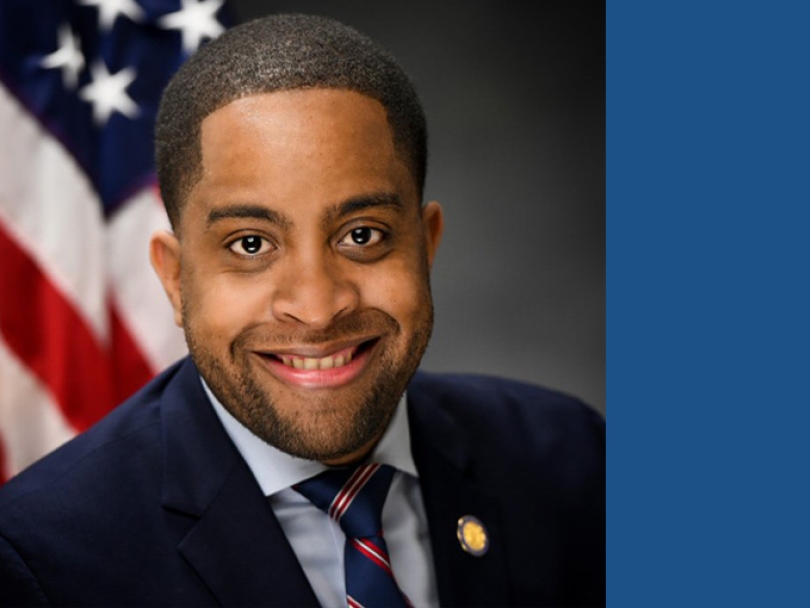
Sen. Zellnor Myrie
Sponsored bills
Establishes the "New York public banking act"; authorizes municipal and other local governments to form and control public banks through the ownership of capital stock or other ownership interests, and to loan or grant public funds or lend public credit to such public banks for the public purposes of achieving cost savings, strengthening local economies, supporting community economic development, and addressing infrastructure and housing needs for localities.
Requires wardens or superintendents of correctional facilities to accept assistance from state and federal agencies and municipalities in the event of an emergency, including loss of power, heat, or water or a medical state of emergency.
Requires annual inspections in certain locations by the department of health for the presence of Legionnaires' disease.
Establishes a civil cause of action for employees who are subjected to an abusive work environment; employers shall be vicariously liable for such work environment.
Establishes the nail salon minimum standards council act; establishes the nail salon minimum standards council which shall investigate wages and standards within the nail salon industry and submit recommendations on minimum wages, regulations and standards for nail salon workers.
Requires instruction in financial management for all students in grades four through eight.
Provides a tax credit for the installation of fire sprinkler systems for residential properties.
Enacts "Cariol's Law"; provides for a duty to intervene when a police officer observes another police officer using physical force that he or she reasonably believes to be clearly excessive or beyond that which is objectively reasonable under the circumstances.
Relates to requiring certain employers to provide workforce demographics and equity measurements to the division of human rights annually, including each employee's race, ethnicity, age, and sex or gender identity or expression, as well as the employee's job category, date of hire, salary or wages, training received, raises, promotions, disciplinary actions, terminations and benefits, including but not limited to unpaid benefits or privileges such as flexible scheduling, the ability to work from home, or the ability to bring children to work.