

Maddy summaryThis Senate resolution requests Governor Kathy Hochul to proclaim February 28, 2025, as Rare Disease Day in New York State. It aims to raise public awareness of rare diseases, which affect approximately 1 in 10 New Yorkers, and aligns with the national observance of Rare Disease Day to highlight ongoing efforts in diagnosis, research, and treatment support. The resolution does not create new laws but serves as a symbolic gesture to encourage broader recognition of these conditions.
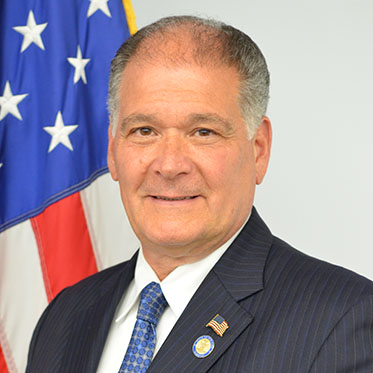
Sen. Mario Mattera
Sponsored bills
Maddy summaryThis resolution requests Governor Hochul to officially designate April 30, 2025, as "Denim Day" in New York State. It supports an annual awareness event established to combat sexual violence and challenge victim-blaming attitudes - originating from a 1999 Italian court case where a rape victim was blamed for wearing tight jeans. The resolution highlights statistics on sexual violence affecting women, LGBTQ+ individuals, and people with disabilities. As a commemorative resolution, it does not create new laws but formally recognizes a community awareness initiative.
Maddy summaryThis resolution (J 142) asks Governor Hochul to officially designate May 11-17, 2025, as Police Week in New York State, aligning with National Police Week. It does not create new laws or policies but formally honors law enforcement officers who have died in the line of duty. The resolution highlights the sacrifice of over 20,000 U.S. officers since 1791 and seeks to raise public awareness about officer safety. It directly affects the Governor (as the recipient of the request) and New York residents, who would observe the designated week. The resolution is purely ceremonial and does not impose any legal requirements.
Relates to prevailing wage requirements applicable to brownfield remediation work performed under private contract as it relates to certain remediation activities, for sites that are seeking or have received a determination that the site is eligible for the tangible property credit component of the brownfield redevelopment tax credit, and the work is paid for in whole or in part by public funds.
Establishes a maximum temperature in school buildings and indoor facilities; provides a definition of extreme heat condition days and the standard to measure room temperature.
Provides additional benefits for certain county correction officers in Suffolk county; provides benefits to retirement system members with credited service of thirty years.
Maddy summaryThis bill proposes changes to how courts set bail for criminal defendants, specifically requiring judges to individually assess whether a person poses a current physical threat to victims, individuals, or the community. Under the new rules, judges must also evaluate the risk of flight and choose a securing order that balances the defendant's return to court with public safety, while explaining their decision in writing or on the record. The legislation directs courts to consider all available information about the defendant when making these determinations. Although the bill was reintroduced in late 2024, it was previously defeated in the Codes Committee in May 2024.
Maddy summaryThis bill, titled the "Our Schools Our Rules Act," aims to prevent the state from forcing local school districts to create regionalization plans that share resources or administrative duties. It directly affects school districts, particularly those on Long Island, by prohibiting the education department and the board of regents from mandating such plans or enforcing related regulations. The law explicitly states that while districts cannot be compelled to join these programs, they remain free to voluntarily enter into partnerships with other schools or organizations. Additionally, any existing state rules requiring regionalization plans are declared null and void, ensuring local control over governance and budgeting decisions.
Maddy summaryThis bill creates a new $1,000 supplemental Empire State Child Tax Credit for the 2024 tax year and future years. It directly affects taxpayers who have a newborn child that qualifies as a dependent under federal tax rules. The credit is issued by the state tax commissioner and can be applied to reduce taxes owed or refunded if the credit amount exceeds the tax liability, though no interest will be paid on any refund. To receive the payment, individuals must have filed their tax returns on time, including any approved extensions. The law is scheduled to take effect on April 1, 2025.
Authorizes municipalities to offer a real property tax exemption to certain volunteers who live in that municipality but who serve in neighboring municipalities.