

Maddy summaryThis bill modifies property tax limits for local governments and school districts in New York. It changes the "allowable levy growth factor" to be the greater of 1.02 (2% growth) or 1 plus the inflation factor (with a minimum 1.02), and lowers the vote threshold needed to override tax levy limits from 60% to a simple majority (more than 50%) of votes cast. School districts and municipalities would now require only 51% voter approval (instead of 60%) to approve budgets exceeding tax levy limits. The bill also updates ballot language to clarify that tax levy increases require voter approval. These changes apply to all local governments and school districts subject to existing tax cap rules.
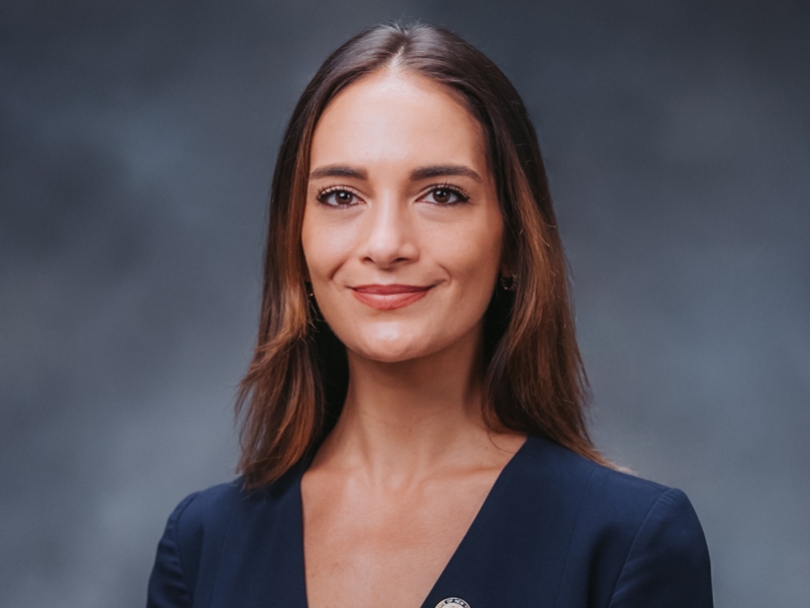
Sen. Julia Salazar
Sponsored bills
Authorizes and directs the metropolitan transportation authority to implement a free fare program on the Long Island Rail Road for firefighters employed by the city of New York.
Maddy summaryThis bill redirects specific percentages of revenue from video lottery gaming at Aqueduct, Belmont Park, and Saratoga racetracks to three key areas: (1) 6.5%-7.5% of wagered funds to support New York schools (including those for students with disabilities), (2) 4% to fund racetrack capital improvements (like equine drug testing labs), and (3) 3% for general racing operations. It also allocates 8.5% to a breeding fund and modifies prior funding structures for Nassau/Suffolk video lottery facilities. The bill directly affects New York’s public education system, thoroughbred racing industry, and specific racetracks. It replaces outdated language in tax law to clarify how video lottery gaming revenue is distributed.
Maddy summaryThis bill extends New York City's on-demand E-hail paratransit pilot program until March 2027, expanding it to include 1,200 additional Access-A-Ride paratransit users. It requires the Metropolitan Transportation Authority (MTA) to add these new users by March 2026, selecting them to represent diverse demographics (age, disability, location, and usage patterns). The pilot allows enrolled users to book immediate rides via smartphone app or phone, with fares matching standard bus/subway rates and no limits on ride duration or frequency. The MTA must also report on ridership, usage, and costs by April 2027.
Repeals certain provisions relating to use tax exemptions for certain race horses; prevents nonresident race horse owners from avoiding use tax in certain situations.
Maddy summaryThis bill imposes a tax on sugary drinks based on their sugar content per 12-ounce serving. Distributors (like manufacturers and wholesalers) pay the tax, which is added to the retail price: no tax for drinks with ≤7.5g sugar/12oz, $0.01 per ounce for 7.5-30g, and $0.02 per ounce for ≥30g. Revenue from this tax funds a "community health equity fund" as specified in the bill's abstract. The tax applies to most nonalcoholic beverages containing added sugars, excluding medical drinks, milk, natural fruit/vegetable juices, and water.
Defines "probable aggregate annual income" for purposes of determining eligibility for limited profit and limited dividend housing companies, as the annual net income after federal, state and municipal income taxes are deducted from gross income of the chief wage earner.
Requires at least one full-time guidance counselor to be employed in each elementary, intermediate, middle, junior and senior high school throughout the state; sets duties of guidance counselors.
Maddy summaryThis bill (S 4160) requires state correctional facilities to provide free voice communication services (like phone calls) to incarcerated individuals, with no cost to the person initiating or receiving the call. It prohibits state agencies from charging fees or generating revenue from these communication services and mandates that in-person visit programs remain available - digital services cannot replace them. The law repeals an existing correction law section and takes effect April 1, 2026, applying to new or renewed communication contracts after that date. It directly affects incarcerated people in state prisons and youth detention centers by guaranteeing free access to basic voice communication.
Establishes the universal basic income for transition-age youth pilot program to provide regular monthly payments to state residents who age out of foster care.