

Maddy summaryBill S 2240 removes the lifetime ban that prevents individuals with felony convictions from serving on a jury. It amends existing judiciary law to eliminate the automatic disqualification for past felony convictions. However, the bill clarifies that anyone currently serving a term of incarceration for a felony would still be excused from jury service while incarcerated. This change allows eligible citizens who have completed their sentences to participate in jury duty.
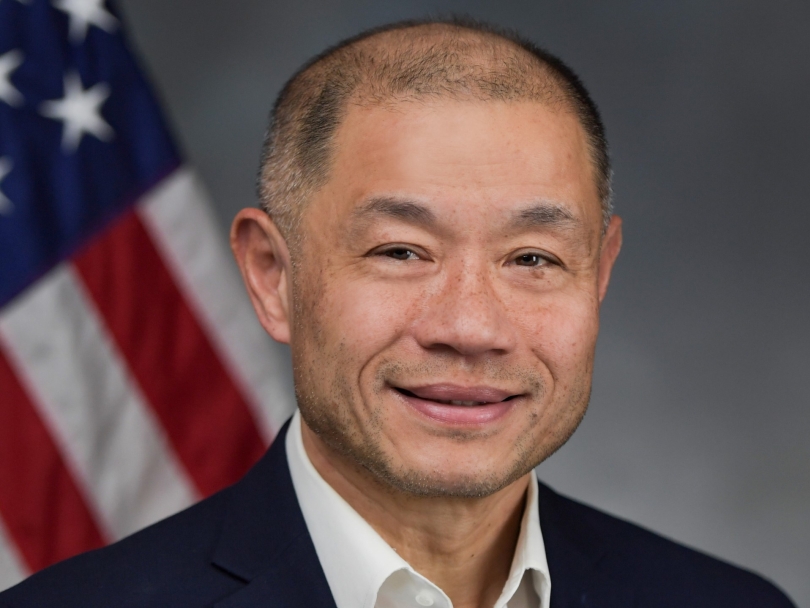
Sen. John Liu
Sponsored bills
Prohibits the transport of a person in an unmarked police vehicle or concealed identity police vehicle after being arrested, detained or apprehended by a police officer or peace officer who is not wearing such officer's uniform unless an officer in uniform is present for the duration of the transport; prohibits stops and searches by a police officer or peace officer who is not wearing such officer's uniform using an unmarked police vehicle or a concealed identity police vehicle unless an officer in uniform is present for the duration of the stop and search.
Maddy summaryThis bill creates a New York State 1332 innovation program under a federal waiver, providing health insurance coverage for New Yorkers under age 65 with household incomes between 133% and 250% of the federal poverty level who don't qualify for Medicaid or employer-sponsored insurance. It requires coverage for essential health services, including access to cancer centers (at Medicaid reimbursement rates), dental, vision, and support for chronic illnesses. Eligibility excludes those eligible for Medicaid, the Child Health Insurance Program, or affordable employer coverage. The program is subject to federal approval and aims to fill coverage gaps for this specific income group.
Maddy summaryThis bill would exempt commuter vans from New York City's congestion pricing surcharge and central business district tolls. It directly affects operators of commuter vans (defined by existing city code) who transport passengers for work commutes. The key provision removes toll charges for these vehicles when entering or remaining in the downtown area, as specified in the central business district tolling program. This creates a specific policy change to the city's existing congestion pricing rules for this vehicle type.
Requires the installation of intelligent speed assistance devices if a driver accumulates eleven or more points on their driving record during a 24 month period, or receives 6 speed camera or red light camera tickets during a twelve month period.
Sets reimbursement rates for essential safety net hospitals at no less than regional average commercial rates for health care services provided by all hospitals in the same geographic region.
Enacts the climate and community investment act; prioritizes the allocation of public investments in disadvantaged communities; addresses climate change challenges through the expansion and growth of clean and renewable energy sources; adopts best value requirements for the solicitation, evaluation and award of renewable energy projects; establishes a community just transition program; establishes a climate pollution fee and a household and small business energy rebate; creates the climate and community investment authority.
Requires the fair campaign code to require campaign literature and other mass media identify the person, political party or committee authorizing such material.
Establishes the New York workforce stabilization act; requires certain businesses to conduct artificial intelligence impact assessments on the application and use of such artificial intelligence and to submit such impact assessments to the department of labor prior to the implementation of the artificial intelligence; establishes a surcharge on certain corporations that use artificial intelligence or data mining or have greater than a threshold number of employees displaced by artificial intelligence of a rate of 2% of the corporation's business income base; defines data mining.
Maddy summaryBill S 1189 establishes new licensure requirements for entities providing fiscal intermediary services for personal assistance programs. Beginning April 1, 2027, these fiscal intermediaries must obtain a license from the commissioner, a process that includes an application fee and an assessment of their character, competence, and compliance. The bill also broadens the definition of fiscal intermediaries, modifies their annual reporting obligations, and creates a confidential state registry for personal assistants that these intermediaries must maintain. This legislation directly affects fiscal intermediaries, personal assistants, and consumers utilizing these services.