

Requires food distributors that accept SNAP benefits to establish a mechanism to apply available coupons or discounts to purchases made by eligible recipients of SNAP benefits without such recipient being required to provide a physical coupon.
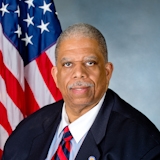
Sen. Leroy Comrie
Sponsored bills
Maddy summaryThis bill amends New York's civil service law to clarify who qualifies as a "public employer" and "public employee." It explicitly adds the unified court system and the state legislature to the list of public employers, meaning court staff and legislative employees would now fall under civil service rules. The bill also confirms that judges, justices, and legislators themselves remain excluded from the definition of "public employee." These changes take effect immediately upon enactment. The bill focuses solely on defining coverage under civil service law, not on creating new policies or benefits.
Exempts guardianship motions filed under article 81 of the mental hygiene law by a fiduciary, court evaluator, guardian ad litem, court-appointed attorney or by the court examiner from the required filing fee.
Maddy summaryS 3405 authorizes the state comptroller to audit local development corporations incorporated under the not-for-profit corporation law. The bill adds a new section to the law explicitly granting the comptroller this authority for all such entities. It applies directly to local development corporations - nonprofits focused on community development projects - and formalizes the comptroller's existing audit role without altering audit procedures. The bill was referred to the Corporations, Authorities and Commissions committee on January 27, 2025.
Prohibits forensic child custody evaluators who have been terminated for cause from appearing as an expert witness in family court custody and visitation proceedings.
Maddy summaryThis bill (S 6885) expands access to state funding for water quality infrastructure projects by clarifying eligibility for water utilities regulated by the Public Service Commission. It specifies that funding - capped at $5 million per entity annually - can only support infrastructure repair or compliance with water quality laws, and requires all water utility projects to serve a clear public purpose benefiting customers. The bill modifies existing laws to ensure funds are directed toward essential water system improvements while requiring tax relief from related exemptions to lower water rates. It directly affects water utilities seeking state financial assistance for critical infrastructure upgrades.
Relates to the convening of a human services employee wage board; requires the commissioner of labor to convene a human services employee wage board comprised of twelve members; requires the wage board to hold hearings and report and make recommendations to the governor and legislature no later than December 31, 2025.
Requires qualification-based criteria for awarding certain contracts for services to an entity that submits a statement of qualifications in response to a request for qualifications when an authorized entity utilizes a one-step method.
Maddy summaryThis bill allows New York's toll authorities (like the Thruway and Bridge Authorities) to charge administrative fees for toll violations and establish specialized tribunals to handle these cases. It permits electronic notices for violations instead of mail and directs that penalty funds go to a new transit crime fund for crime prevention programs on transit systems. The bill directly affects drivers who fail to pay tolls by creating a formal process to resolve violations and redirecting collected penalties toward safety initiatives. It does not change toll rates or payment methods but streamlines enforcement and fund allocation.
Requires the disclosure of certain information when an agency responds to a request for law enforcement disciplinary records, including information a victim alleges regarding sexual misconduct.