

Maddy summaryThis Senate resolution requests Governor Kathy Hochul to proclaim May 10-16, 2026, as Police Week in New York State, aligning with National Police Week. It honors law enforcement officers killed in the line of duty, referencing historical data on officer fatalities and the National Law Enforcement Officers Memorial. The resolution has no binding legal effect - it is a ceremonial request to the Governor, not a new law. It directly affects public recognition efforts for law enforcement families and communities.
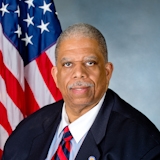
Sen. Leroy Comrie
Sponsored bills
Maddy summaryThis resolution requests Governor Kathy Hochul to proclaim May 3-9, 2026, as Correctional Officers and Employees Week in New York, honoring the state's approximately 16,178 correctional officers and employees who oversee over 31,329 inmates in state facilities. It aligns with federal recognition of "National Correctional Officers and Employees Week" established in 1996 and emphasizes the dangerous nature of their work. The resolution does not create new laws or policies but serves as a symbolic tribute to these personnel through a gubernatorial proclamation.
Maddy summarySenate Resolution J 1293 commends Armando and Shayla Gramajo for receiving New York State's Liberty Medal, the Senate's highest honor for individuals. The resolution recognizes their 2024 actions when they intervened to save a woman attacked with a knife in White Plains - Armando (a bus driver and former Guatemalan Army veteran) stopped the attacker, and Shayla (a physician's assistant) provided medical aid using household items until emergency services arrived. This symbolic resolution, passed by the New York State Senate, formally honors their humanitarian act and does not create new laws or affect any policies. It serves as a ceremonial tribute to their spontaneous, life-saving response.
Maddy summaryThis bill changes the date of New York's presidential primary from the current June election to the first Tuesday in March (commonly known as Super Tuesday). It directly affects voters and candidates participating in the state's presidential nominating process by moving the primary earlier in the election cycle. The bill amends election law to replace the existing June primary date with a March date specifically for selecting presidential delegates, while keeping other primary elections (like for state offices) on their current schedule. This is a procedural adjustment to election timing, not a substantive policy change.
Maddy summaryThis bill requires election commissioners and key election board staff to complete mandatory training. New appointees must finish a 30-hour initial course within six months of starting their role, and all staff must complete a three-hour annual refresher by June 1 each year. The state board of elections designs and delivers all training, including web-based options for annual sessions. Failure to complete training triggers written notice to county legislators, city councils, and local party chairs. The law affects all county election boards and their designated staff responsible for election operations.
Requires the creation of an immigration enforcement activity transparency dashboard, which shall be made publicly available, to track certain information relating to immigration authorities activities within New York state.
Requires each county to establish a county law enforcement civilian complaint review board to assist the board of supervisors with the investigation of complaints concerning misconduct by members of county law enforcement towards members of the public in a complete, thorough and impartial manner.
Enacts the "New York state agency BIPOC asset management and financial institution strategy act" to ensure the promotion of equity, diversity, and inclusion within the state pension system and the New York city pension system's investments by mandating a minimum allocation of assets to BIPOC asset managers, BIPOC financial institutions, and BIPOC financial or professional service firms; addresses disparities in investment opportunities and fosters economic growth within BIPOC communities, aligning with best practices in investment management and bolstering the financial well-being of New York City and state and residents thereof (Part A); relates to fair investment practices by investment advisers within the state of New York (Part B).
Provides for the eligibility of certain households for a care workforce housing preference; provides for the method of application for such preference; makes related provisions.
Establishes a tax credit for food service establishment donations to food pantries, in the amount of fifty percent of the marketed value of each of the taxpayer's qualified donations up to six dollars per qualified donation, beginning with the 2027 tax year.