

Enacts the "local, community and ethnic media commitment act"; requires state agencies to publish certain information in local, community and ethnic media; defines local, community and ethnic media; requires the office of general services to develop and maintain a list of local, community and ethnic media outlets.
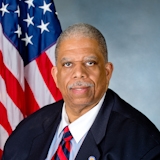
Sen. Leroy Comrie
Sponsored bills
Maddy summaryThis bill requires employees in charitable organizations and professional fundraising entities to complete approved training on fundraising law and ethics. Specifically, it applies to organizations where 75% of employees handle fundraising hiring, training, or supervision, including those required to register with the state. Employees must complete an attorney general-approved course within 12 months of registration and every five years thereafter, with documentation provided upon request. The training covers prohibited activities like false statements, fraud, or illegal solicitation. The attorney general will monitor compliance with this requirement.
Maddy summaryThis bill (S 3286) allows New York prosecutors (District Attorneys) to file motions seeking reduced sentences for individuals who have served long prison terms - specifically 20+ years for serious felony convictions or 15+ years for other felonies. It directly affects inmates serving lengthy sentences who have been rehabilitated and no longer pose a public safety risk, including those with life or near-life sentences. The key provision gives prosecutors the authority to revisit past sentencing decisions when an incarcerated person has served a substantial portion of their sentence, based on evidence of rehabilitation. This aims to reduce unnecessary long-term incarceration without compromising public safety, aligning with research showing recidivism rates drop significantly after age 50.
Requires the metropolitan transportation authority and the New York city transit authority to implement certain standards issued by the society for protective coatings pertaining to applying and removing coatings from bridges, trestles, and elevated subway and railway tracks and stations.
Requires the commissioner to promulgate rules and regulations requiring entities proposing construction of a new building development within one mile of a transit facility to submit environmental impact statements; defines transit facility.
Establishes the "It's Your Data Act" for the purposes of providing protections and transparency in the collection, use, retention, and sharing of personal information.
Extends period during which health maintenance organization enrollees may continue to receive services from a health care provider who disaffiliates from 60 or 90 days to 1 year, or in case of terminal illness, until the time of such insured's death; bars incentives which induce a provider to provide health care to an enrollee in a manner inconsistent with law.
Maddy summaryThis bill requires contractors working on public projects to report to state and project owners if they end contracts with minority-owned or women-owned businesses (M/WBEs) before project completion. Contractors must notify within seven days of such termination; failure to report incurs a fine set by the Division of Minority and Women's Business Development. It applies specifically to subcontracting or joint venture relationships on public works projects, ensuring transparency in M/WBE partnerships during project execution.
Enacts the "Access to Public Services for Non-English Speakers Act"; requires state agencies to take reasonable steps to provide equal access to services through oral language services or translating documents for persons with limited English proficiency.
Maddy summaryThis bill sets annual caseload limits for public defenders representing low-income clients in criminal cases. It requires that no public defender handle more than 367 misdemeanor cases or 138 felony cases per year, with each felony counting as roughly 2.66 misdemeanors in mixed caseloads. The law applies specifically to constitutionally mandated public defense services in criminal matters. The policy aims to ensure defenders have manageable workloads to provide adequate representation.